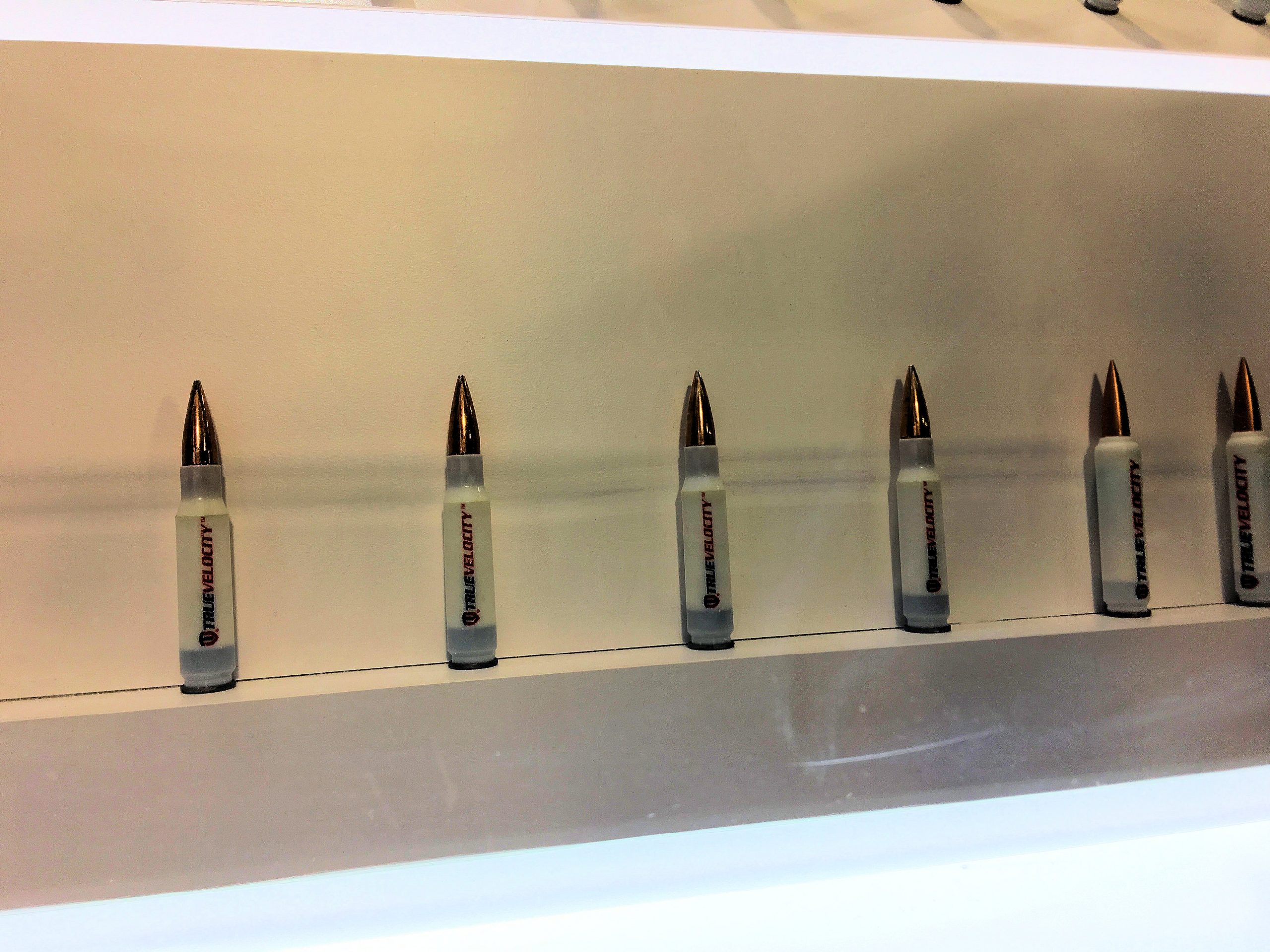
DRDO Pushes Ahead With Next-Generation Composite Ammunition Cases
The Alpha Defence Team has exclusively learnt that India is preparing for a major leap in small arms ammunition technology.…
The Alpha Defence Team has exclusively learnt that India is preparing for a major leap in small arms ammunition technology.…
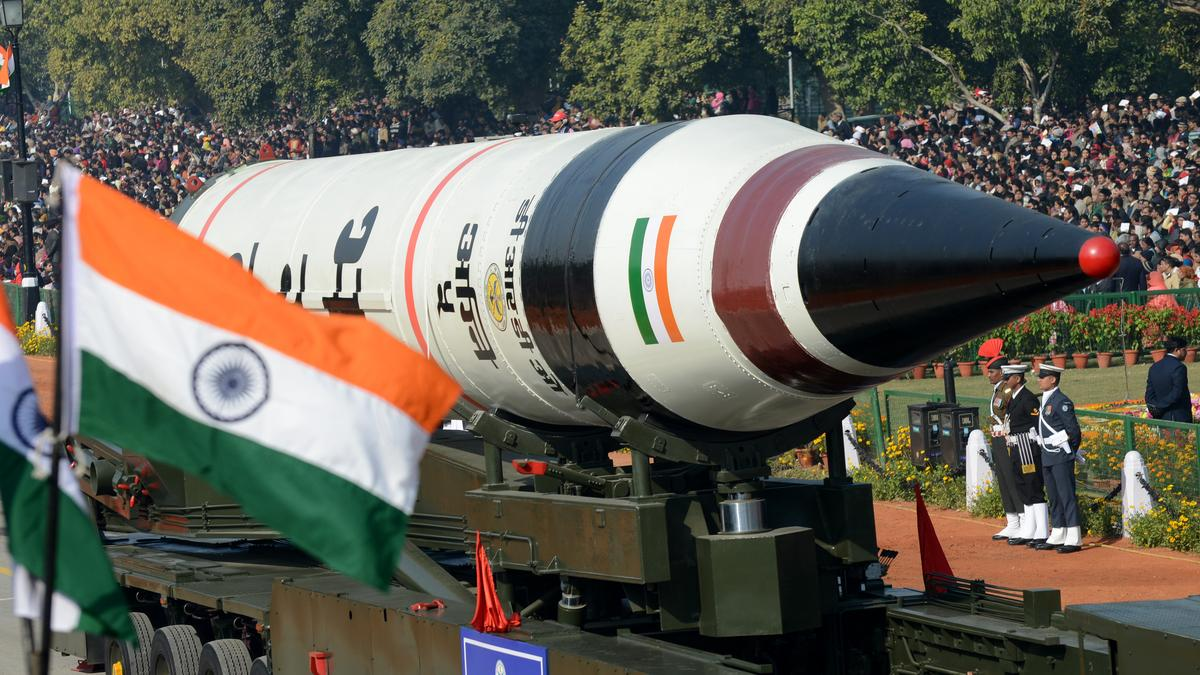
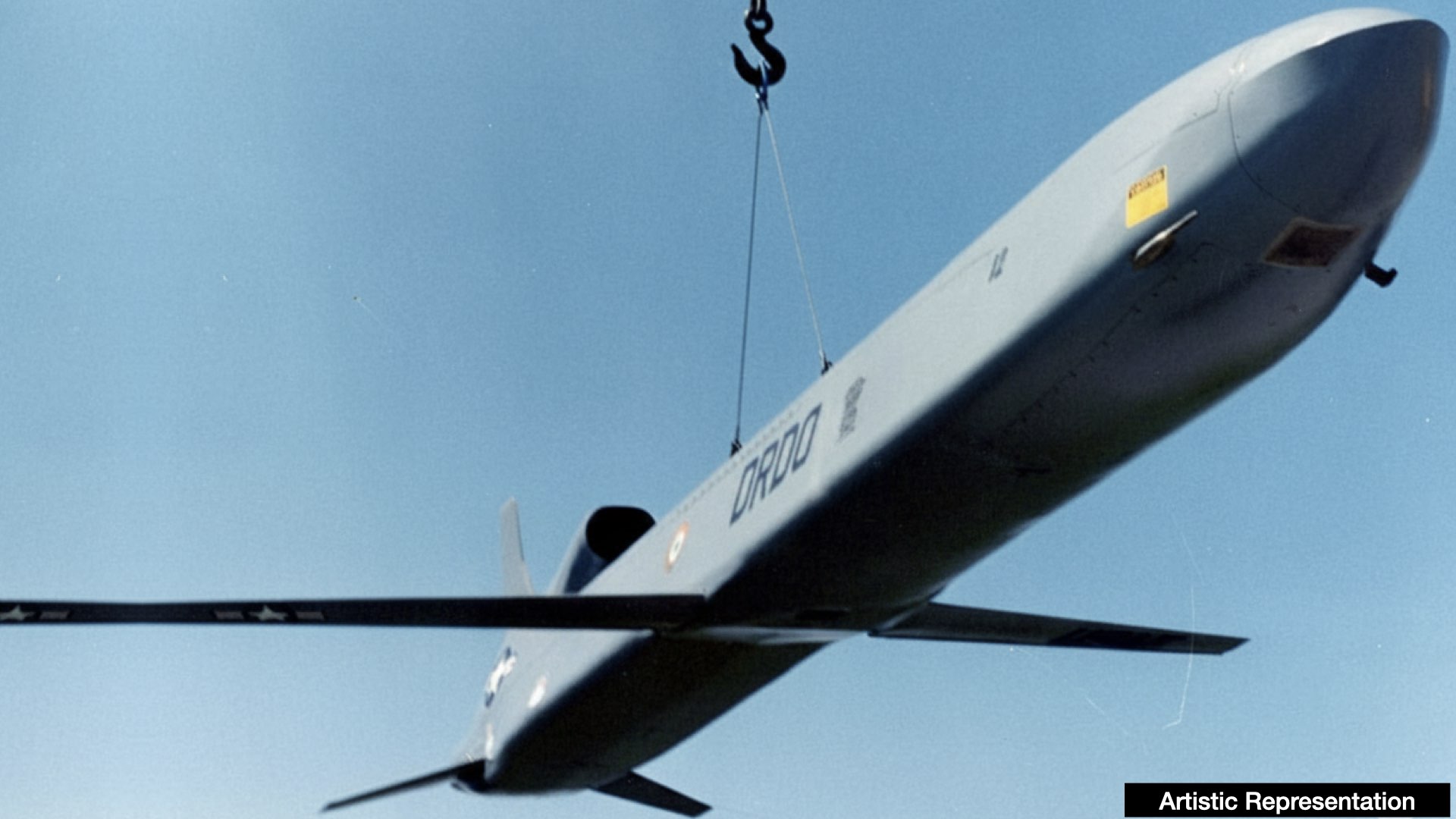
The landscape of strategic warfare is undergoing a major transformation. Recent conflicts have highlighted a lethal evolution in missile technology:…
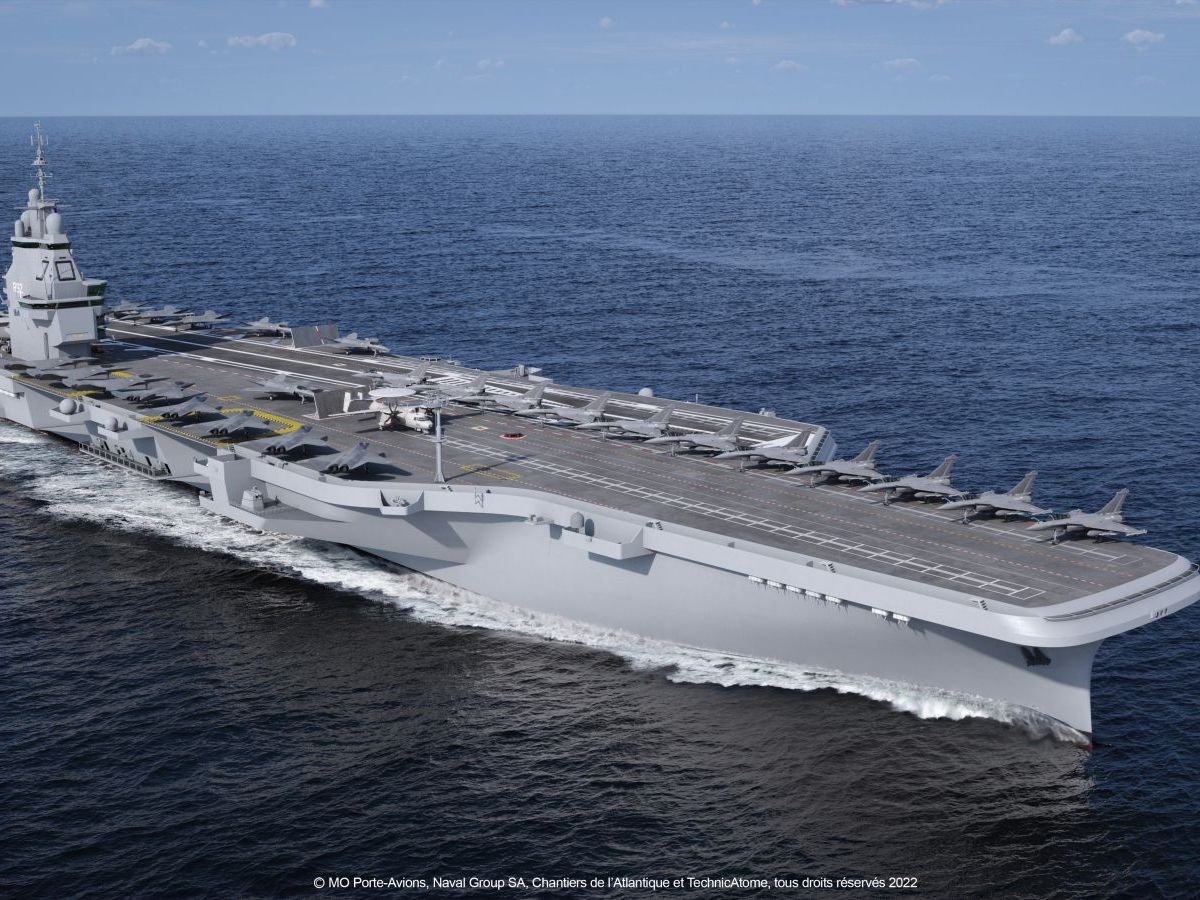
~ By Tsukuyomi India’s ambition to transition from STOBAR carriers like INS Vikrant to a true CATOBAR supercarrier marks a…
The evolution of modern aerial warfare is increasingly defined by the fusion of aerodynamic prowess and computational intelligence. At the…
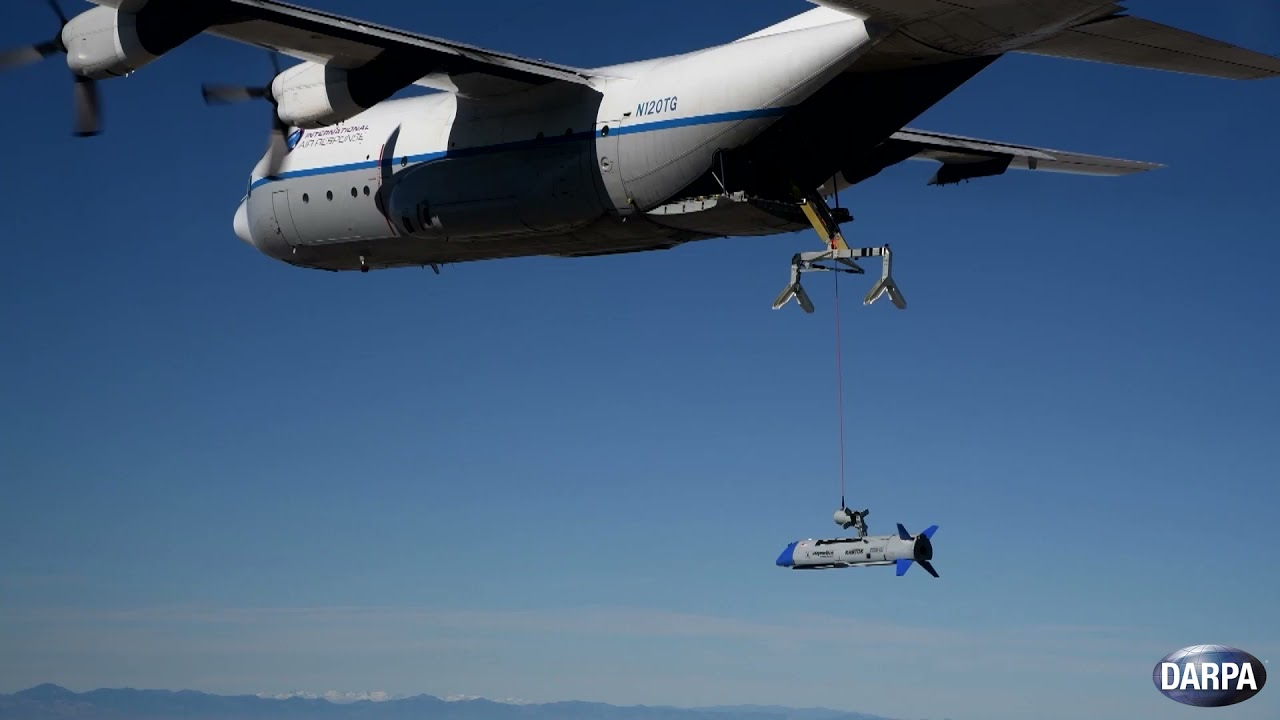
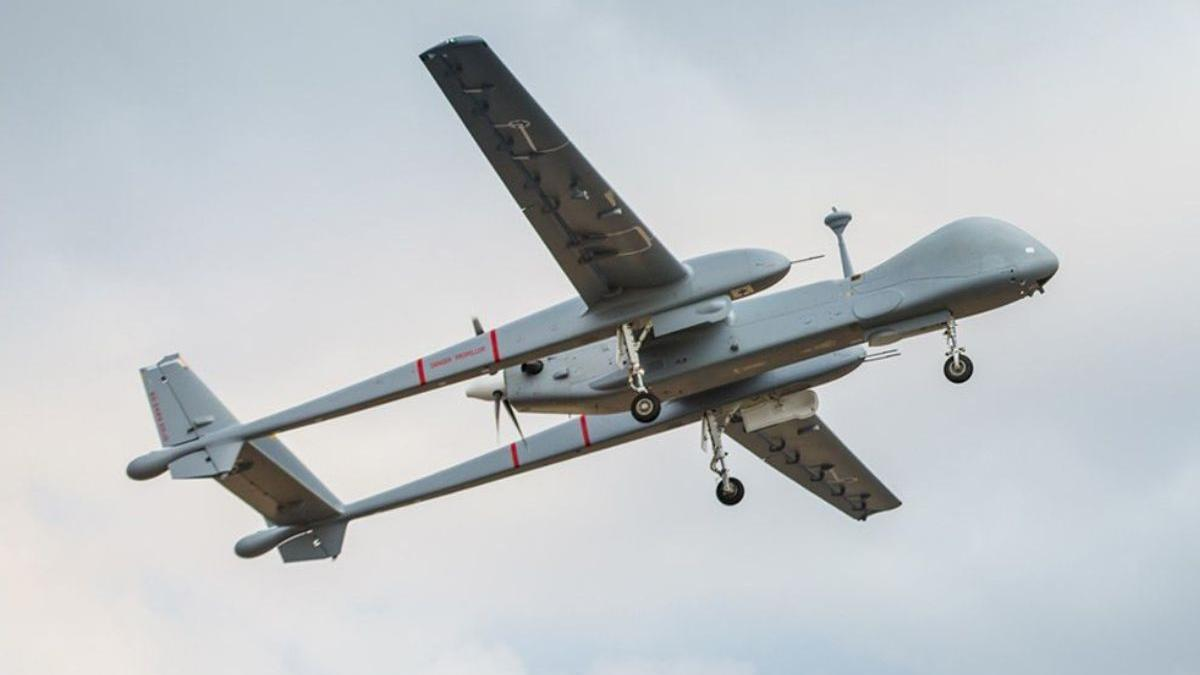
The landscape of modern conflict is shifting rapidly toward autonomous, high-precision, and cost-effective solutions. In a significant move to bolster its operational reach,…
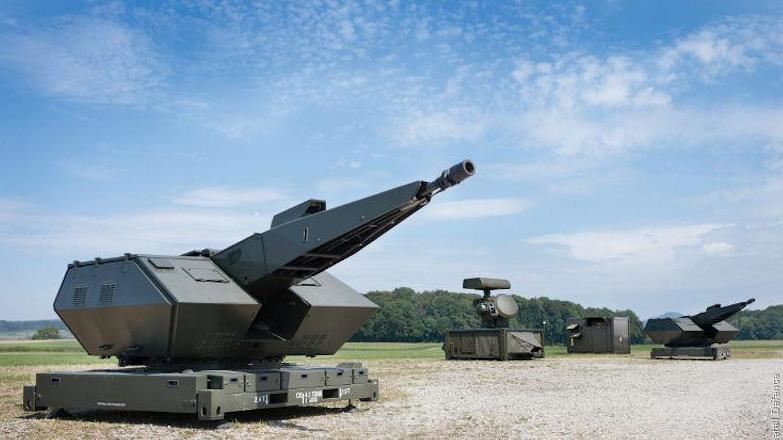
In an era where the character of warfare is being rapidly redefined by low-cost attrition most notably through the proliferation…
For decades, India and Israel have shared a uniquely pragmatic and deeply aligned defence relationship. Countries like India and Israel operate in hostile neighbourhoods,…
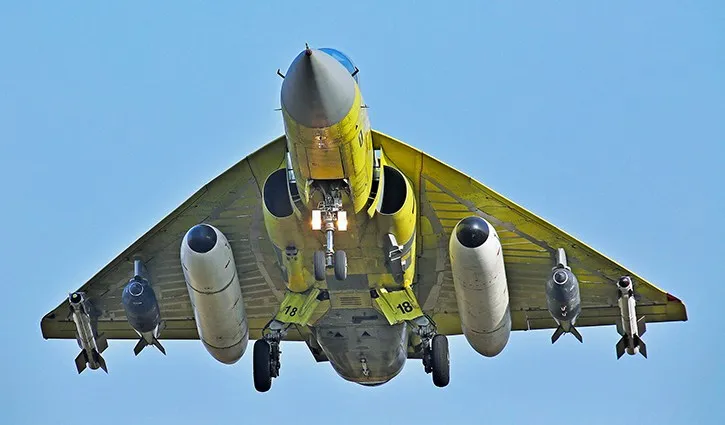
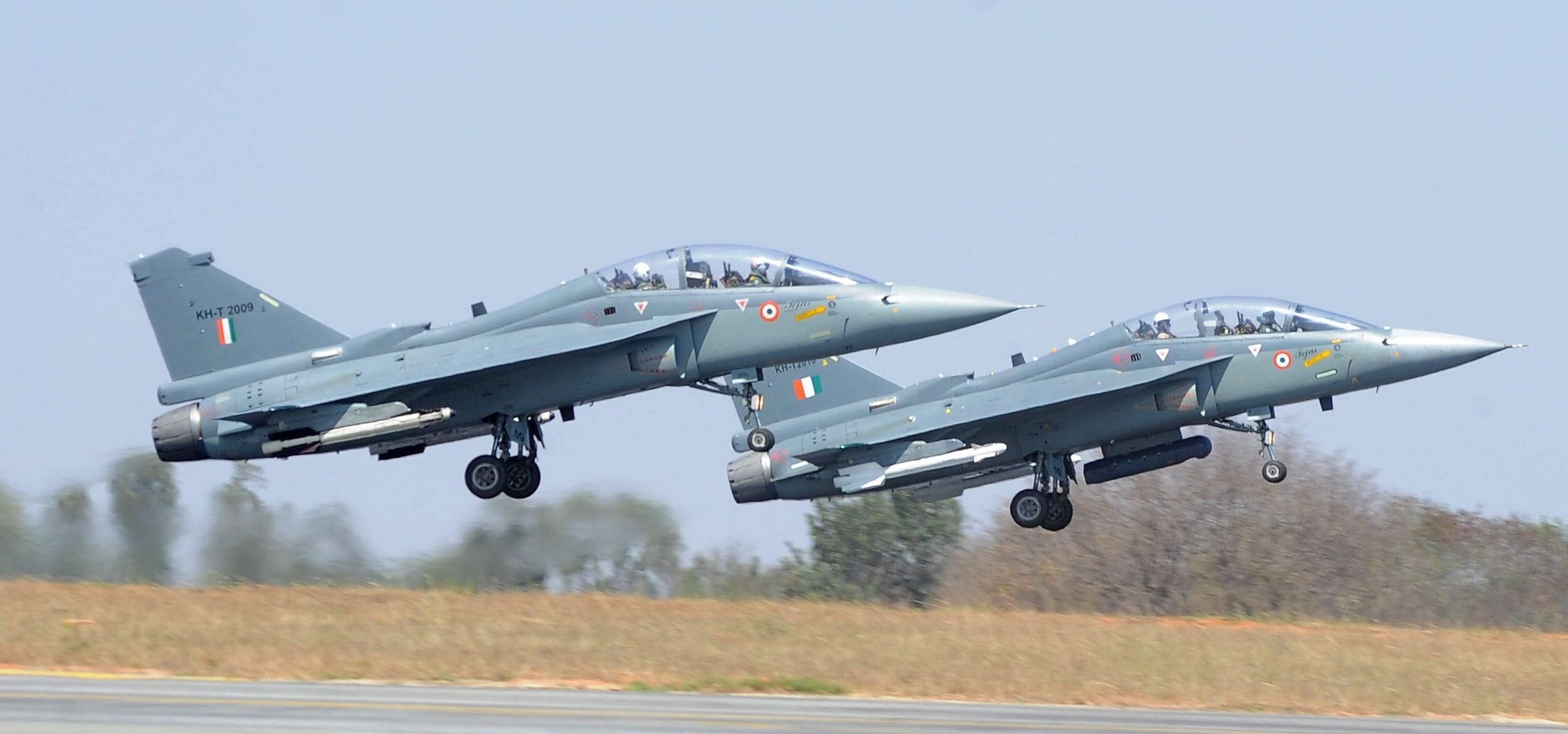
India’s flagship fighter program, the HAL Tejas, could face fresh delays as ongoing conflict involving Israel begins to impact global…
India’s defence research landscape is on the cusp of a significant leap forward. The Defence Research and Development Organisation (DRDO)…
By Shiro Barks The program to replace the MiG-21 began following the recommendations of the Subramaniam Committee. On January 4,…