India’s ambitious plan to field a new generation of indigenous Airborne Early Warning and Control Systems (AEW&C) has encountered an unexpected hurdle. While the Defence Research and Development Organisation (DRDO) is making significant progress on the radar system that will power the future Netra Mk2, delays associated with aircraft modification have forced the Indian Air Force (IAF) and DRDO to adopt an interim solution.

Air India Privatization Opened New Opportunities
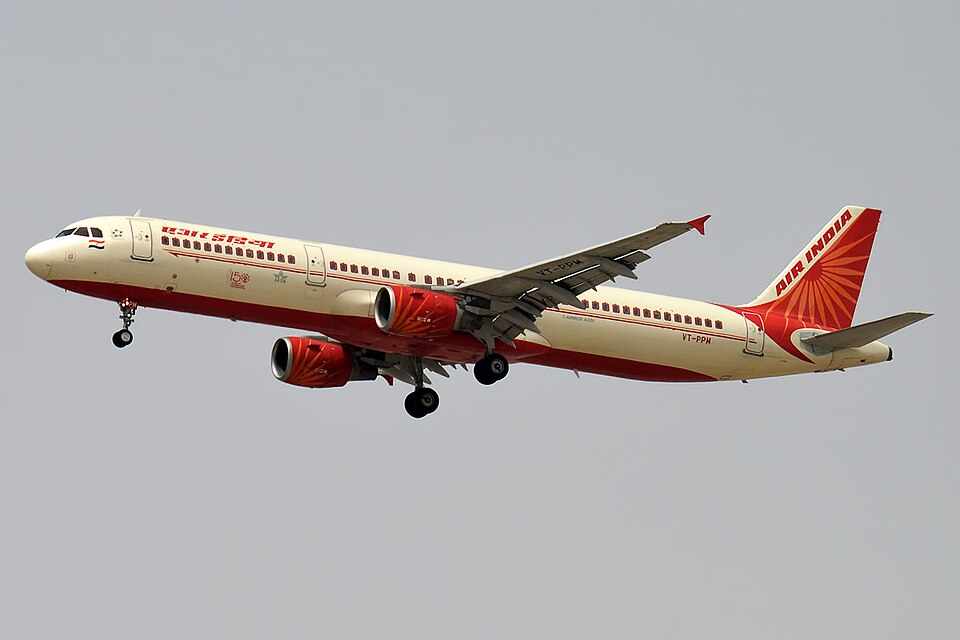
When Air India underwent privatization, the Ministry of Defence moved quickly to acquire several aircraft from the airline’s inventory. The objective was to repurpose these airframes for strategic military programs, including future force multipliers that would strengthen India’s surveillance, command-and-control, and intelligence-gathering capabilities.

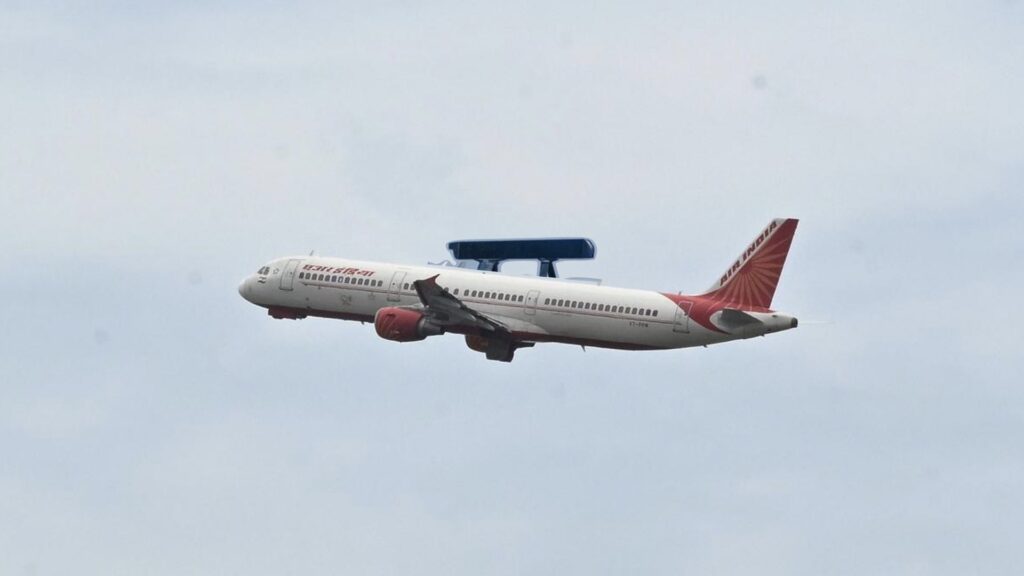
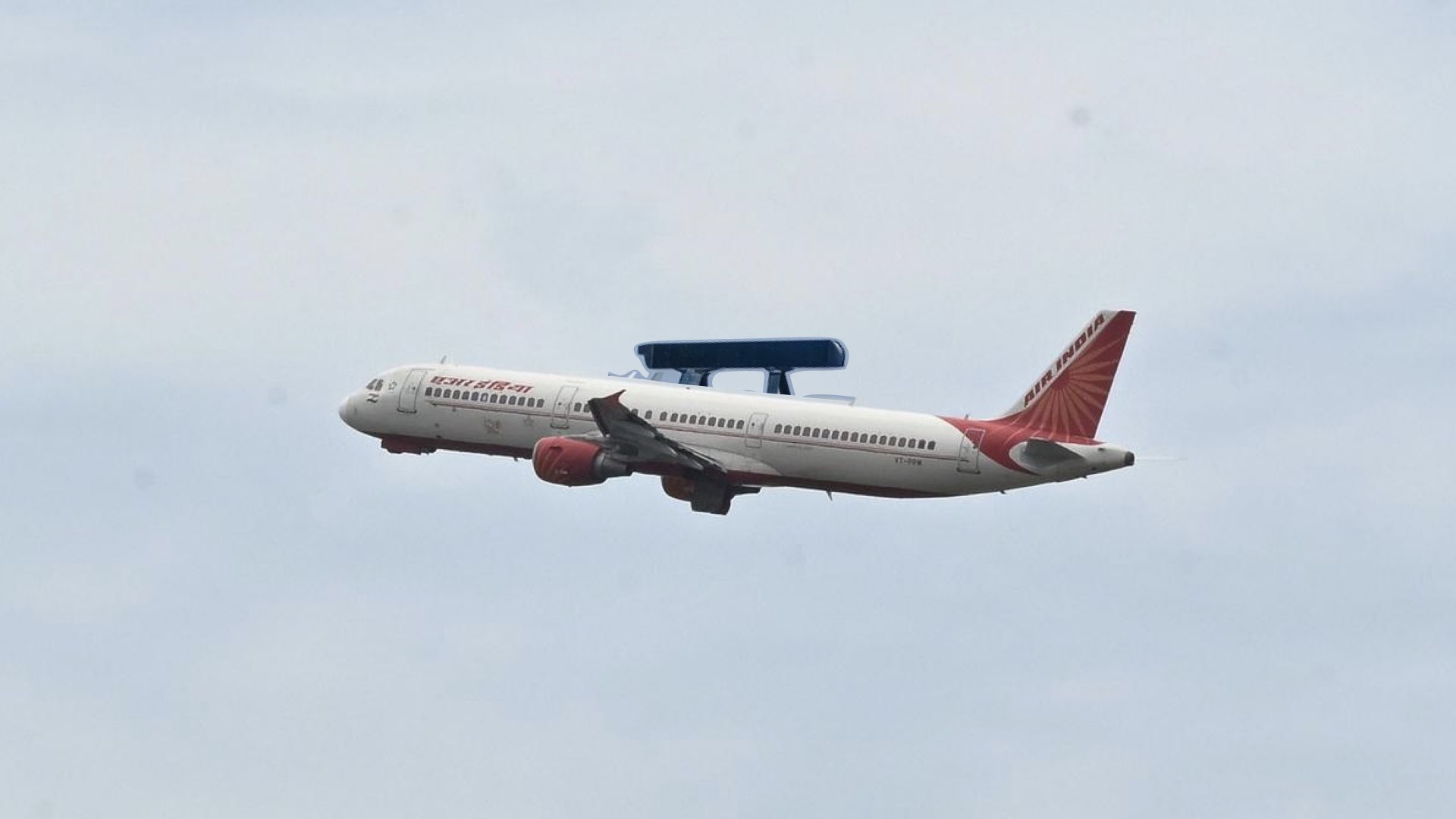
Among the aircraft acquired were Airbus A321 airliners. These aircraft were designated to become the future platforms for India’s next-generation AEW&C program, popularly known as Netra Mk2.
The plan envisioned extensive modifications to transform these civilian airliners into sophisticated airborne surveillance assets capable of supporting military operations across vast distances.
Netra Mk2: A Major Leap Over Existing Systems
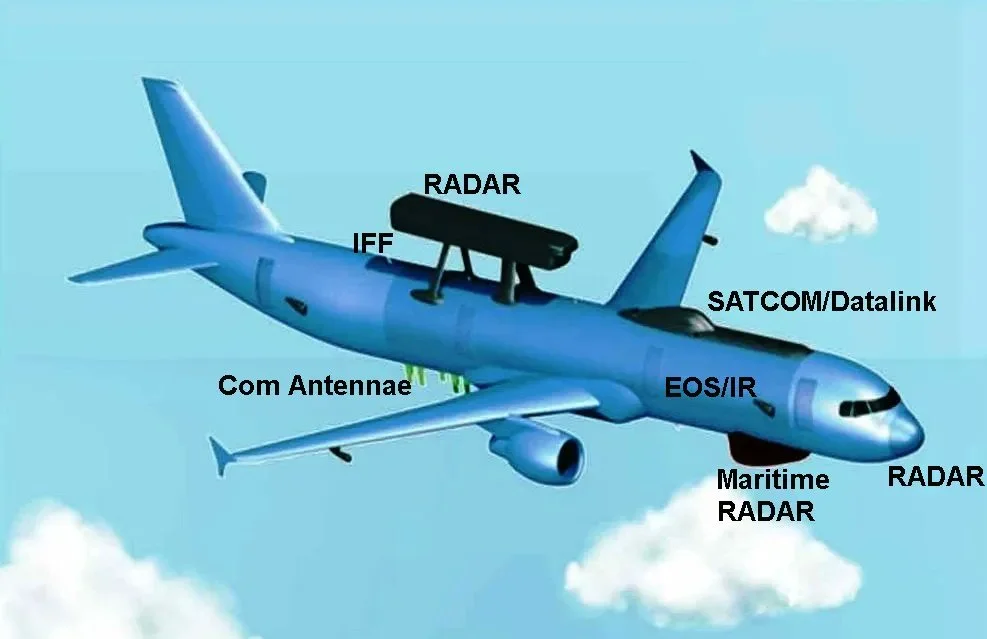
The centerpiece of the Netra Mk2 program is its advanced Antenna Array Unit (AAU), being developed by DRDO. Compared to the radar carried by the existing Netra Mk1 aircraft, the new system promises significantly improved detection range, enhanced target tracking capability, higher resolution, and the ability to monitor a much larger battlespace.
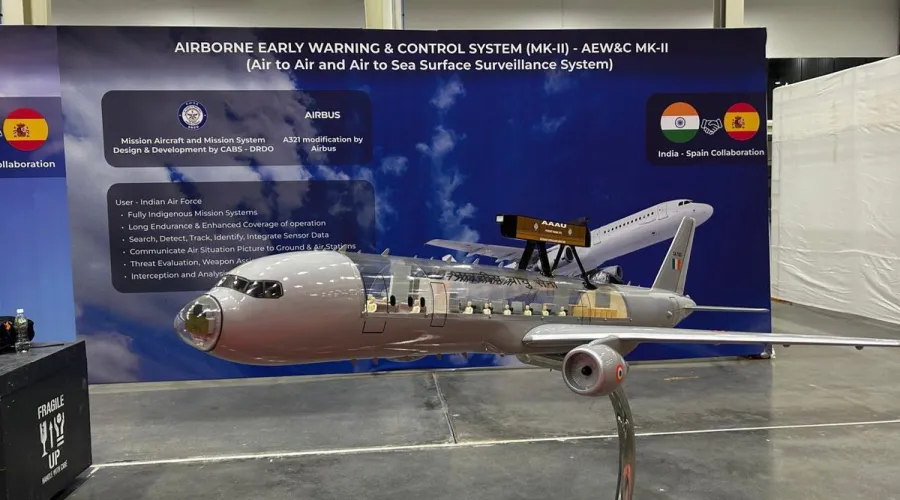
The Airbus A321 was selected because of its larger size, greater power generation capacity, and superior endurance. These characteristics would allow the aircraft to carry a more powerful radar system and associated mission equipment compared to the smaller Embraer platforms currently used by the IAF.
Once operational, Netra Mk2 is expected to substantially enhance India’s airborne surveillance network and provide a critical boost to the country’s air defence architecture.
Radar Development Nears Completion, But Aircraft Are Not Ready
Ironically, the radar system is progressing faster than the platform that will carry it.
The DRDO is approaching key milestones in the development of the Netra Mk2 Antenna Array Unit. However, the Airbus A321 aircraft required for the program will not be available for integration anytime soon.
The original equipment manufacturer (OEM) responsible for aircraft modification has reportedly informed the Ministry of Defence that the necessary structural and mission-system modifications can only begin around 2032. Only after these modifications are completed can the installation and integration of the radar system commence.
This timeline creates a significant gap between radar readiness and platform availability, potentially delaying the induction of the full-fledged Netra Mk2 system by several years.
Current AEW&C Fleet: Phalcon and Netra Mk1
At present, the Indian Air Force operates two distinct AEW&C fleets.
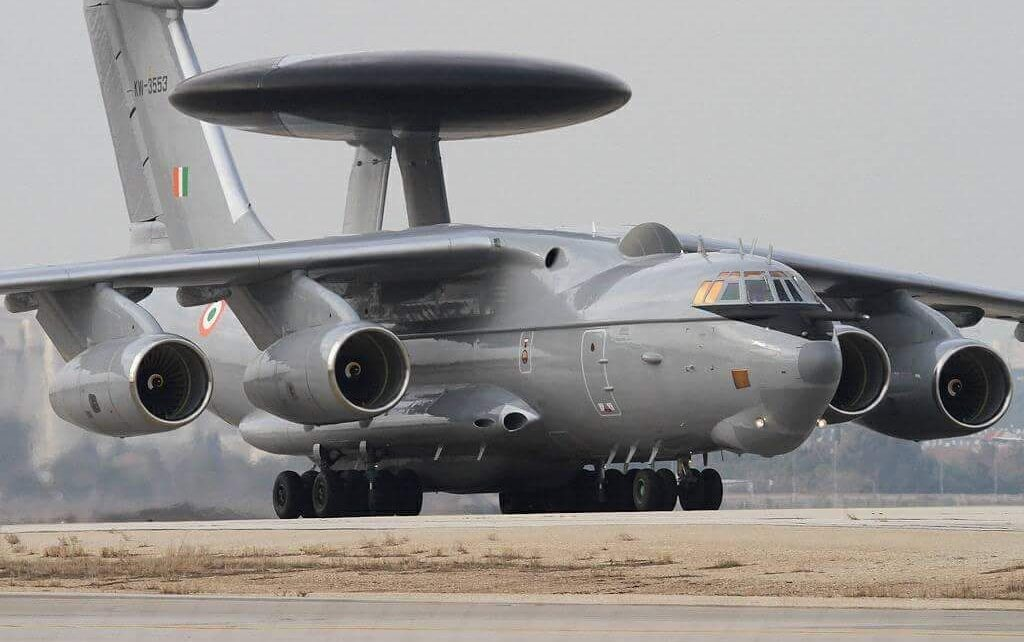
The first consists of the Phalcon AWACS aircraft, which combine Israeli radar technology with the Russian Il-76 transport platform. These aircraft provide 360-degree surveillance coverage and serve as the IAF’s most capable airborne warning systems. Three such aircraft are currently operational and form the backbone of India’s airborne surveillance capability.
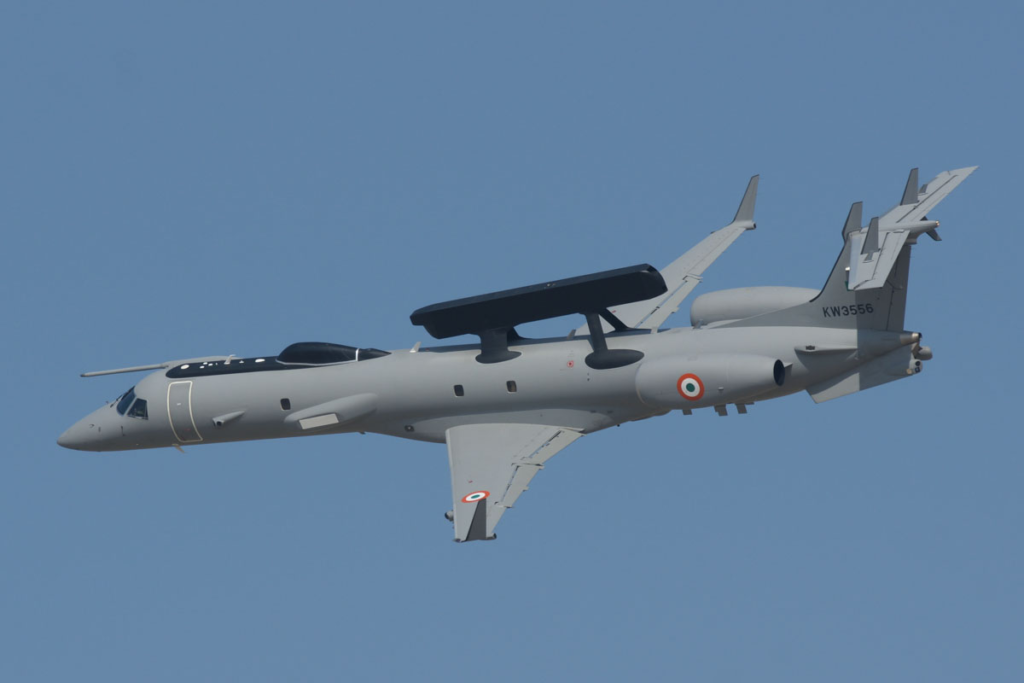
Alongside the Phalcon fleet, the IAF also operates the indigenous Netra Mk1 AEW&C system. Developed by DRDO and mounted on the Embraer ERJ-145 platform, these aircraft represent India’s first successful indigenous airborne early warning program. The system has proven its utility during both peacetime surveillance missions and operational deployments.
Enter Netra Mk1A: The Bridging Solution
To prevent a capability gap while waiting for the Airbus A321-based Netra Mk2 fleet, DRDO and the Indian Air Force have agreed on an interim approach.
Under this plan, DRDO will integrate a radar based on Netra Mk2-level Antenna Array Unit technology onto additional Embraer ERJ-145 aircraft acquired from the global second-hand market. These upgraded aircraft will be designated Netra Mk1A.
The new platform will effectively combine the proven ERJ-145 airframe with a substantially more capable radar architecture derived from the Netra Mk2 program.
While the smaller Embraer aircraft cannot match the payload capacity and endurance of the Airbus A321, the integration of an advanced radar system will nevertheless provide a significant improvement over the existing Netra Mk1 fleet.
Keeping India’s Airborne Surveillance Expansion on Track
The Netra Mk1A program will provide flexibility to both DRDO and the Indian Air Force in responding to unforeseen challenges. Rather than allowing the radar development effort to remain idle until the Airbus A321 platforms become available, the two organizations have chosen to field the technology on an interim platform.
This approach will enable operators to gain experience with next-generation radar systems, accelerate technology maturation, and expand the number of indigenous AEW&C aircraft available to the IAF.
Once the Airbus A321 modification program finally progresses, the more powerful Netra Mk2 aircraft will take over the role originally envisioned for India’s next-generation airborne surveillance fleet. Until then, the Netra Mk1A is expected to serve as a crucial bridge, ensuring that India’s airborne early warning capability continues to grow despite platform-related delays.

Given the amount of delays with Netra Mk2. Why not pivot to C-390 as the carrier for Netra mk2?