India’s Ballistic Missile Defence (BMD) programme has quietly emerged as one of the country’s most significant strategic achievements. While fighter aircraft and warships often dominate headlines, the development of a multilayered missile shield capable of intercepting hostile ballistic missiles represents a technological milestone achieved by only a handful of nations worldwide.
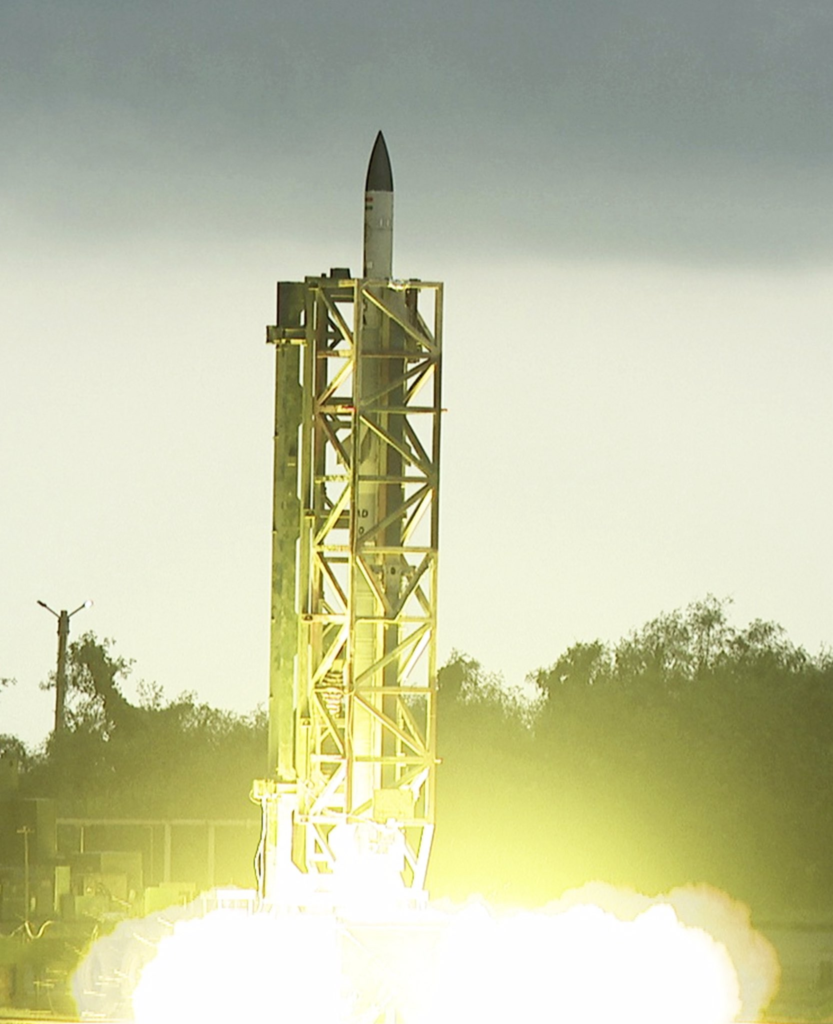
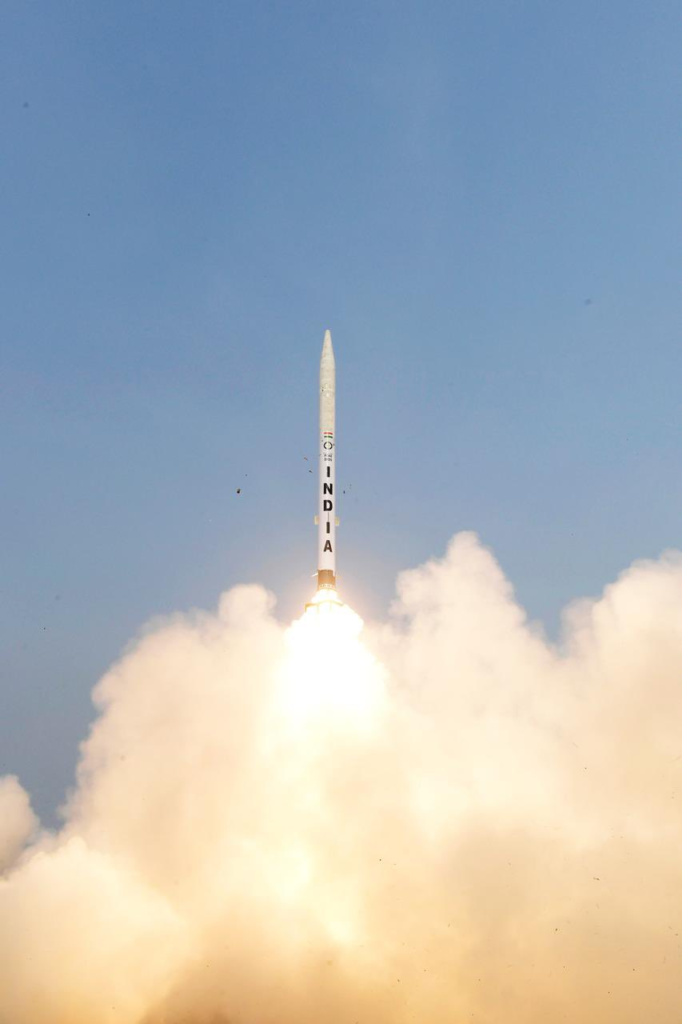
Recent missile tests conducted by the Defence Research and Development Organisation (DRDO) once again brought attention to this ambitious programme. While public discussion largely focused on the test itself, the larger story lies in understanding how India’s missile shield has evolved, what threats it is designed to counter, and why the latest developments indicate that the programme is approaching a critical stage of operational maturity.
Understanding the Ballistic Missile Threat
To understand India’s missile shield, it is first necessary to understand how a ballistic missile operates.
Unlike cruise missiles, which fly through the atmosphere using sustained propulsion, ballistic missiles follow a largely parabolic trajectory. After launch, the missile climbs rapidly towards space before descending onto its target at extremely high speeds.
The flight path of a ballistic missile is generally divided into three phases:
- Boost Phase – The missile’s engines propel it towards space.
- Midcourse Phase – The missile travels toward its target, usually outside the atmosphere.
- Terminal Phase – The missile re-enters the atmosphere and descends toward its target.
This flight profile creates unique challenges for defenders. A successful missile defense system must detect, track, identify and intercept a target travelling at several times the speed of sound while potentially carrying conventional or nuclear warheads.
Unlike traditional air defence systems that engage aircraft from the ground upward, ballistic missile defence works in reverse. Interceptors attempt to destroy incoming threats as they descend from high altitudes toward their targets.
The Importance of Altitude in Missile Defence
A key factor in ballistic missile interception is altitude.
The Earth’s atmosphere is generally considered to extend to around 100-110 kilometres, although the exact boundary can vary depending on the definition used. For missile defence planners, this distinction creates two primary interception zones:
Exo-Atmospheric Interception
This refers to engagements occurring outside the atmosphere. Intercepting a ballistic missile at high altitude offers significant advantages. If a missile is destroyed far from its target, debris and warhead fragments are less likely to cause damage on the ground.
Endo-Atmospheric Interception
These interceptions occur within the atmosphere. While still effective, they represent the final line of defence after an incoming missile has already penetrated deeper into protected airspace.
The philosophy behind modern ballistic missile defence is simple: destroy the target as far away as possible, but maintain additional layers of protection if the first interception attempt fails.
India’s Multi-Layered Missile Shield
India’s BMD architecture follows a layered defence model. Rather than relying on a single interceptor, multiple missile systems are designed to engage threats at different altitudes.
The architecture can broadly be divided into Phase-I and Phase-II.
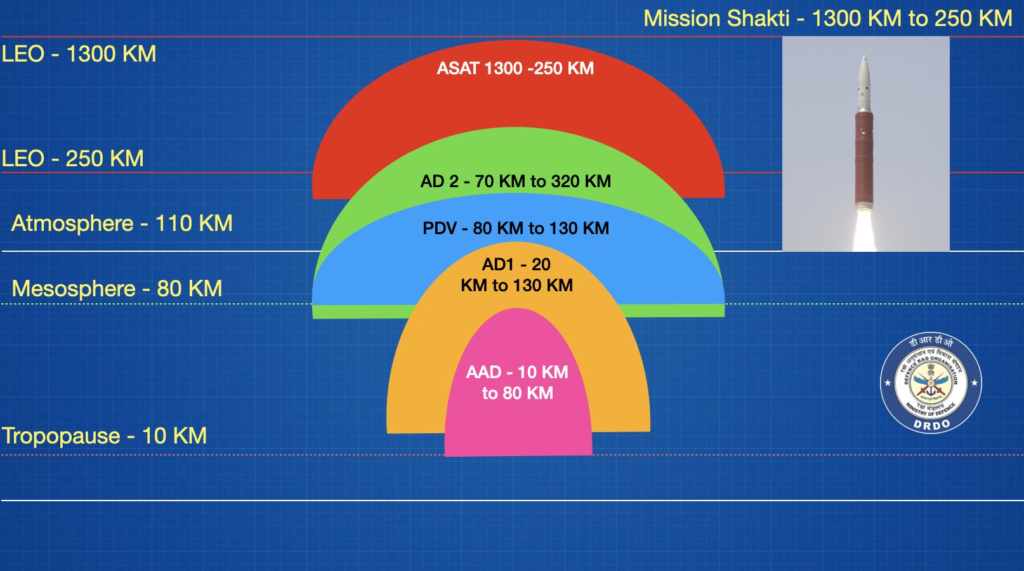
Phase-I: Countering Pakistan’s Missile Arsenal
The first phase of India’s ballistic missile defence programme was developed primarily to counter medium-range ballistic missiles with ranges of approximately 2,000 to 3,000 kilometres.
This category covers the majority of Pakistan’s strategic missile inventory.
Phase-I relies on two interceptor missiles:
Prithvi Defence Vehicle (PDV)
The PDV interceptor is designed for high-altitude engagements, operating roughly between 30 and 80 kilometres. It serves as the first layer of interception against incoming ballistic threats.
Advanced Air Defence (AAD)
The AAD interceptor forms the lower layer of the shield. It is designed to engage targets at altitudes ranging from approximately 10 to 80 kilometres.
Together, these systems provide India with both exo-atmospheric and endo-atmospheric interception capabilities.
The deployment of Phase-I effectively gave India a credible defence against medium-range ballistic missile threats originating from Pakistan.
Phase-II: Preparing for China’s Missile Threat
While Phase-I addressed Pakistan-centric threats, India’s strategic planners understood that a more capable system would be required to counter China’s growing missile arsenal.
This requirement led to the development of Phase-II.
The second phase introduces two entirely new interceptor missiles:
AD-1 Interceptor
The AD-1 missile is designed to engage targets between approximately 20 and 120 kilometres in altitude. It bridges the gap between lower and higher altitude interception layers while offering significantly improved performance.
AD-2 Interceptor
The AD-2 missile represents the most capable publicly known interceptor in India’s missile defence inventory.
Designed to engage targets between roughly 70 and 320 kilometres in altitude, AD-2 is intended to intercept Intermediate Range Ballistic Missiles (IRBMs) with ranges between 3,000 and 6,000 kilometres.
This capability is particularly significant because it aligns closely with the range class of missiles that would be employed by China in a potential conflict scenario.
For years, Chinese surveillance vessels have closely monitored India’s BMD trials in the Indian Ocean region, reflecting the strategic importance Beijing places on understanding these developments.
Beyond Ballistic Missiles: The Future Phase-III Shield
DRDO is not stopping with AD-1 and AD-2.
Work is already underway on the next generation of ballistic missile defence systems capable of addressing emerging threats, including hypersonic weapons and longer-range missile systems.
The future Phase-III architecture is expected to include advanced interceptors such as the AD-AH and AD-M family, which will provide capabilities against targets that exceed the engagement envelope of current systems.
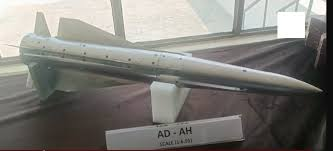
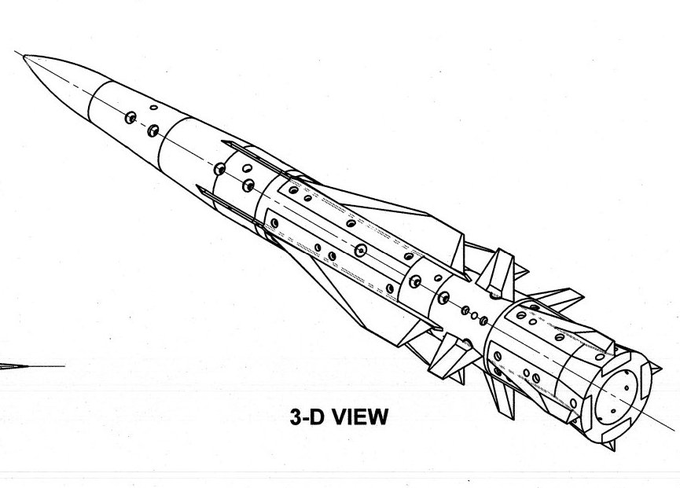
As hypersonic glide vehicles and maneuvering re-entry vehicles become increasingly common, this next phase may prove even more important than the first two.
What the Latest Test Reveals
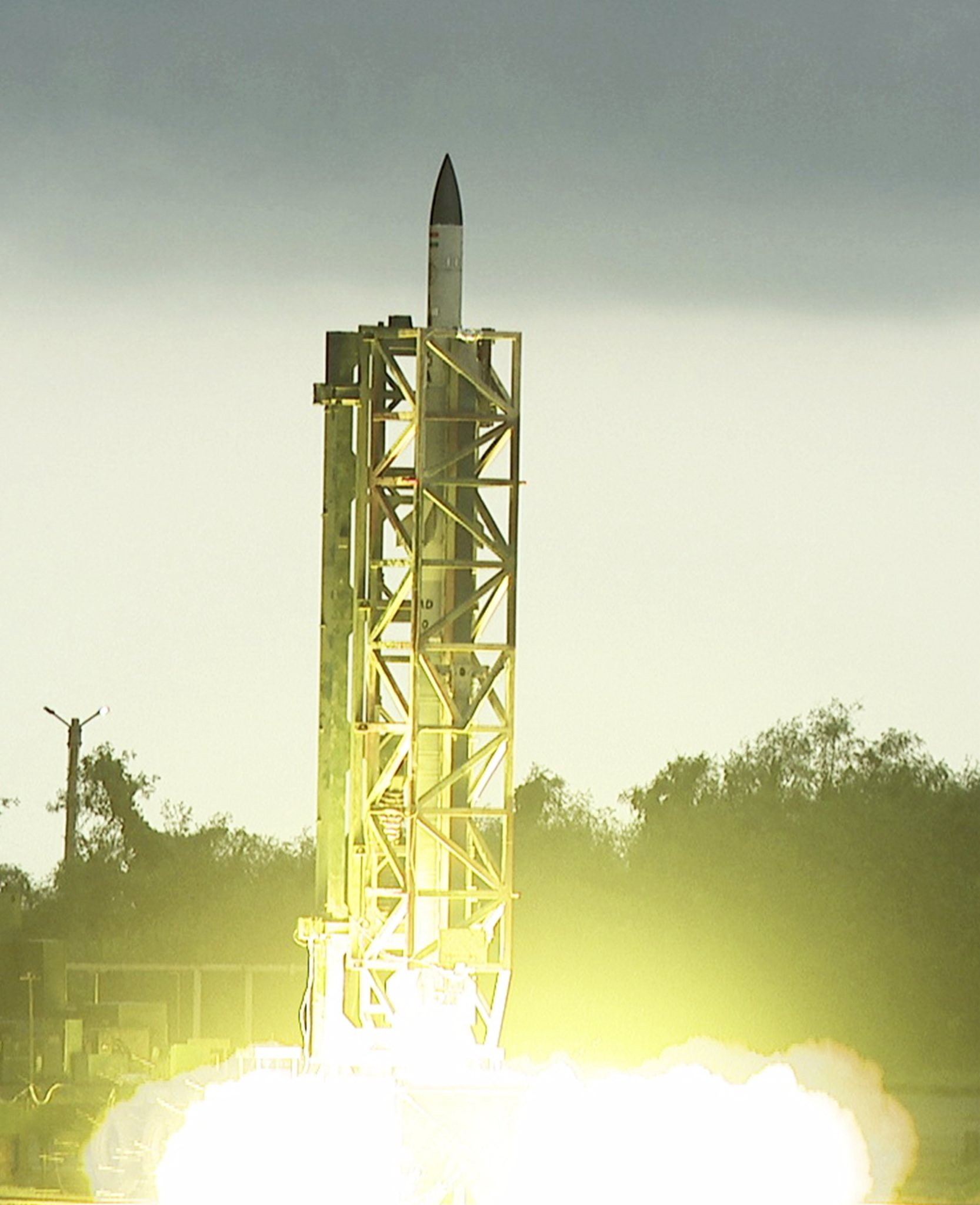
The most interesting aspect of the recent tests may not be the successful interception itself, but what the hardware reveals about the maturity of the programme.
Photographs released from the test indicate noticeable differences between the interceptor used during the trial and previously released renderings.
One particularly significant observation is the apparent absence of the larger booster stage seen in earlier configurations.
This may indicate that the target was allowed to approach much closer before interception, reducing the requirement for a larger booster and supporting the theory that the interceptor employs a modular propulsion architecture.
A modular booster design would allow DRDO to tailor the missile’s performance according to mission requirements. For higher altitude interceptions, a larger booster could be fitted. For lower altitude engagements, a lighter configuration may be sufficient.
Such flexibility would significantly improve operational efficiency while reducing costs and logistical complexity.
Another notable detail visible in released imagery suggests that the tested interceptor may already have undergone multiple developmental trials, indicating that the programme is approaching the final stages of qualification.
A Strategic Success Story
India’s Ballistic Missile Defence programme represents far more than the development of a new missile.
It is the creation of a layered national defence architecture capable of protecting critical assets, strategic command centres, military infrastructure and major population centres from ballistic missile attack.
Phase-I has already entered deployment, with multiple sites believed to be operational. Phase-II is rapidly approaching maturity, while Phase-III is being developed to counter future threats such as hypersonic weapons.
Very few nations possess the technological expertise required to design, test and deploy a complete ballistic missile shield. Through decades of sustained investment and indigenous research, India has joined that exclusive group.
As AD-1 and AD-2 move closer to operational deployment, the country is steadily transitioning from defending against regional missile threats to building a shield capable of addressing some of the most advanced missile systems in the world.


Good content. Well structured & precise