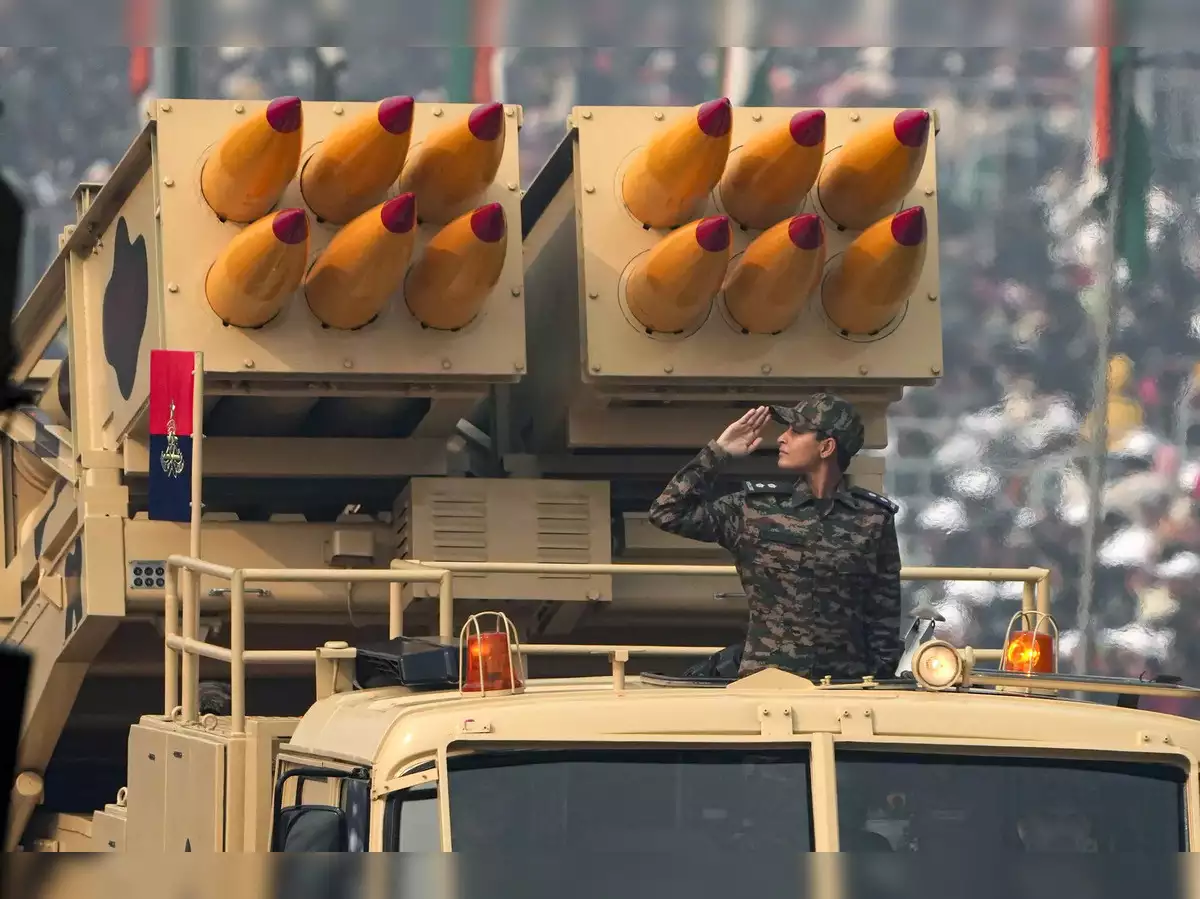
Recent defence procurement decisions and the inauguration of new manufacturing facilities have once again brought India’s defence-industrial strategy into focus. As the country accelerates its push towards Atmanirbhar Bharat, a fundamental question is quietly emerging in strategic circles. Is India building a genuinely indigenous defence industry, or are we slowly redefining self-reliance to mean assembling foreign technologies under an Indian label?
At first glance, this may appear to be a semantic debate. After all, if a weapon system is being produced in India, jobs are being created in India and factories are being established in India, does it really matter where the original design came from? For many people, the answer would be no. For a nation preparing for future conflicts, however, the answer is very different.
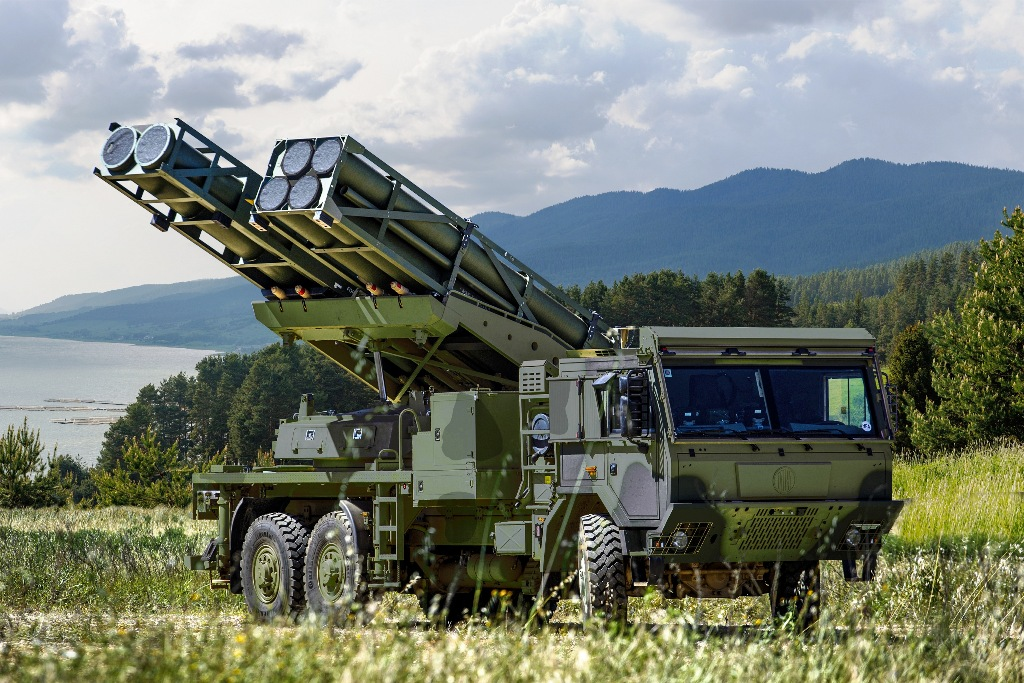
The biggest challenge facing Indian defence manufacturing today is not funding, nor is it bureaucracy or procurement delays. Those are problems every defence ecosystem faces. The bigger issue is that we often fail to distinguish between manufacturing a product and owning the technology behind it. The two are frequently treated as the same thing when they are fundamentally different.
A defence system assembled in India using imported designs, imported software, imported intellectual property and imported engineering know-how may help increase domestic production numbers, but it does not automatically make India self-reliant. The real measure of self-reliance is not where the final bolt is tightened. The real measure is who owns the design, who controls the source code, who understands every engineering decision that went into the system and, most importantly, who can modify it when requirements change.
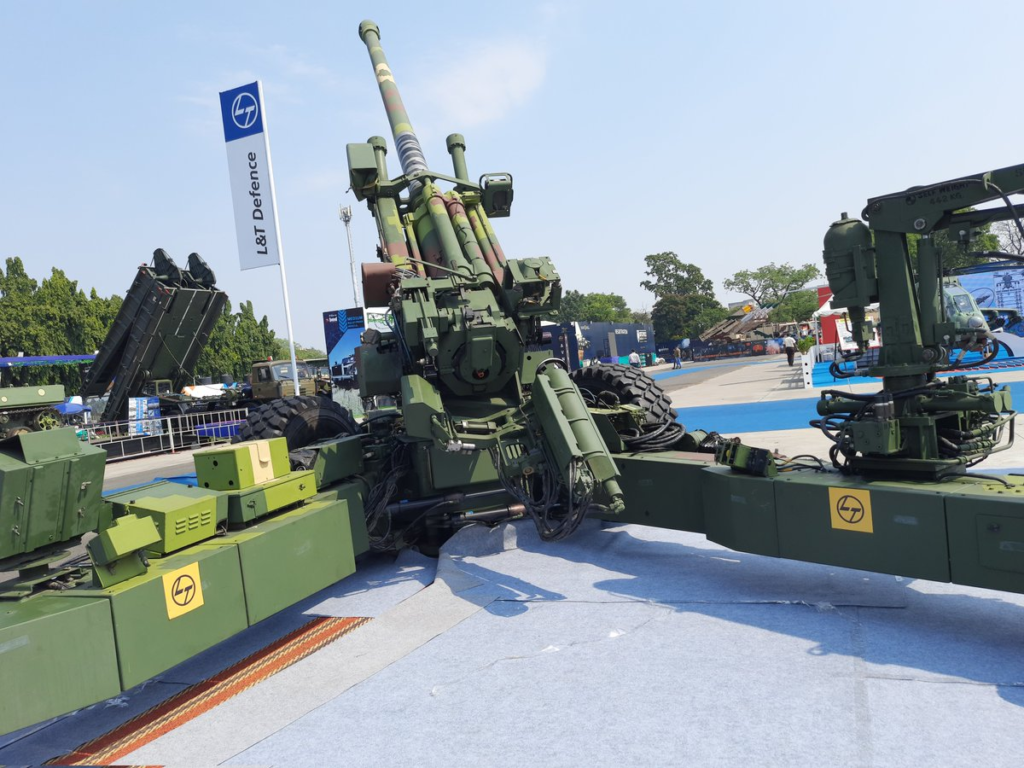
This distinction often remains invisible during peacetime because both models appear to work equally well. A company assembling a foreign design can deliver equipment to the armed forces. A company that developed its own design can do exactly the same. Both can establish factories, employ workers, generate impressive production figures and showcase modern manufacturing facilities. To an outside observer, the two may appear identical.
The difference only becomes visible when the armed forces come back with a new requirement.
Military hardware is never static. Operational realities change constantly. A missile may require modifications to its guidance package. A rocket may need a different warhead configuration. A radar may need improvements to detect new threats. A drone may need to survive in a far more contested electronic warfare environment than originally anticipated. Every military system eventually encounters circumstances its designers did not fully anticipate.
When that moment arrives, the company that owns the technology can begin work immediately. Its engineers understand the architecture, the software, the interfaces and the limitations of the system. They can identify problems, redesign components and implement upgrades. The company that merely assembles the product cannot. Its first response is often to contact the original manufacturer and request changes. At that point, timelines, costs and priorities move beyond India’s control. Whether the foreign supplier considers the modification worthwhile, whether it fits into their production plans and whether their government is willing to permit such changes become factors that India cannot influence.
Ironically, India already understands the value of technological ownership because some of its most important defence programmes were built on precisely that principle. Take Tejas as an example. The aircraft has often been criticised for delays and engine dependence, but focusing only on those shortcomings misses the bigger picture. Every challenge encountered during the programme created knowledge within India. Every flight test generated Indian data. Every engineering problem forced Indian scientists and engineers to develop solutions. The same story can be told about Akash, Astra, Pinaka, ATAGS, Uttam AESA Radar and numerous electronic warfare programmes. None of these projects were easy. Most took longer than originally expected. Many faced criticism. Yet each programme left behind something far more valuable than the platform itself. It left behind expertise.
That expertise is what allows a country to develop the next generation of systems faster and with greater confidence. Defence technology does not emerge from factories. It emerges from years of engineering experience, trial and error, testing and redesign. Every indigenous programme, even when it falls short of expectations, contributes to a growing body of national knowledge. Assembly lines do not create that knowledge. Design teams do.
This is where the debate around screwdriver-giri becomes important. The biggest problem with screwdriver-giri is not that foreign technology is involved. No major military power is completely self-sufficient. The United States imports components. China imports components. Every modern defence system relies on some level of international supply chains. The problem arises when assembly begins to receive the same recognition and strategic value as genuine technology development.
Developing a weapon system is difficult, expensive and risky. It requires years of investment before the first operational unit is delivered. There are failed tests, redesigns, certification challenges and financial uncertainty. In comparison, importing an existing design and assembling it locally is significantly easier. The technical risks are lower, development timelines are shorter and the chances of commercial success are often much higher.
From a business perspective, the attraction is obvious. If both models receive similar policy support and procurement opportunities, many companies will naturally gravitate towards the lower-risk option. Over time, capital flows towards assembly rather than innovation. The ecosystem gradually optimises itself for manufacturing instead of technology creation. Production numbers may rise, but technological depth stagnates.
This is why defence manufacturing should never be viewed solely through the lens of job creation or industrial output. Those are important benefits, but they are not the primary objective. The purpose of defence manufacturing is national security. The goal is to ensure that the armed forces possess systems that can be sustained, upgraded and modified regardless of external circumstances. A factory dependent on foreign intellectual property may create employment, but it does not necessarily create strategic autonomy.
India therefore needs to become far more selective in how it defines indigenous capability. Importing a subsystem is not the issue. Importing a capability is. A company that designs the system architecture, develops the software, owns the intellectual property and can independently modify the product should not be viewed in the same category as a company whose primary contribution is final assembly. Both play a role in the ecosystem, but they do not contribute equally to national self-reliance.
The uncomfortable reality is that future conflicts will not be decided simply by who can manufacture more equipment. They will increasingly be decided by who can adapt faster. The military that can update software faster, improve sensors faster, redesign payloads faster and solve engineering problems faster will possess a decisive advantage. That capability comes from technological ownership, not assembly capacity.

India does not need an ecosystem filled with companies capable of building what somebody else designed. India needs an ecosystem capable of designing systems that others cannot build. That is the difference between “Made in India” and “Assembled in India.” One creates genuine strategic autonomy. The other creates dependence with additional steps.
As India continues its journey towards defence self-reliance, it is important that the distinction is not lost amid factory inaugurations, production figures and indigenisation percentages. Because when the next major crisis arrives, the country’s strength will not be measured by the number of assembly lines it possesses. It will be measured by the number of engineers, designers and scientists capable of changing a system when the battlefield demands it.