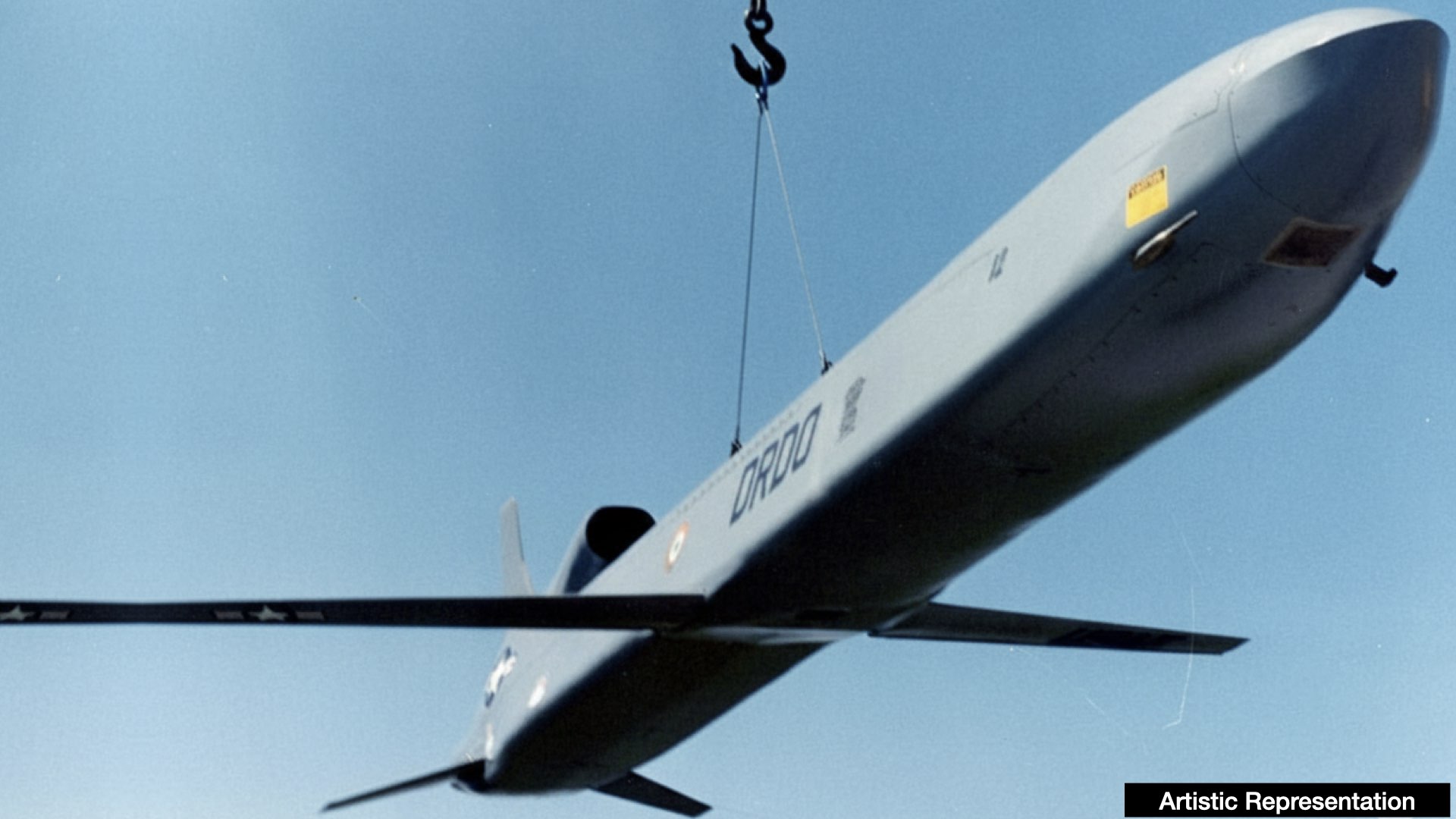
India’s defence research landscape is on the cusp of a significant leap forward. The Defence Research and Development Organisation (DRDO) has received the formal Acceptance of Necessity (AoN) the official development green light to design and build the Long-Range Air-to-Surface Supersonic Cruise Missile, referred to as the LRSSSCM. This next-generation weapon system will be engineered to address a critical gap in the Indian Air Force’s precision strike arsenal and is expected to reshape the strategic equation across South Asia.
In this article, we decode the LRSSSCM’s specifications, its role within India’s broader missile ecosystem, the propulsion technology powering it, and why it matters both operationally and strategically.
What Is the LRSSSCM? Key Features at a Glance
The name itself encodes the weapon’s three defining characteristics:
Long Range: The LRSSSCM is designed to engage targets at distances of up to 1,000 kilometres, a dramatic improvement over India’s existing air-launched strike options.
Air-to-Surface: The missile is optimised for launch from airborne platforms, allowing strike aircraft to engage ground and sea-based targets deep inside adversary territory while remaining outside threat envelopes.
Supersonic Cruise: Sustaining supersonic speeds throughout its flight profile, the missile will rely on ramjet propulsion, the same family of technology that powers the BrahMos.
Critically, the LRSSSCM is being designed with reduced weight and a compact form factor, making it compatible with virtually every combat aircraft in the Indian Air Force inventory not just the Sukhoi-30 MKI.
Understanding the BrahMos Family: Why a New Missile Was Needed
To appreciate the LRSSSCM’s strategic value, it helps to understand where it fits within India’s existing cruise missile architecture.
BrahMos Block I: The Baseline
The original BrahMos supersonic cruise missile developed jointly by India and Russia operates at Mach 3.2 and was initially range-capped at 290 kilometres due to India’s pre-MTCR commitments. It is capable of both land-attack and anti-ship missions, serving the Indian Army and Navy. After India joined the Missile Technology Control Regime (MTCR) in 2016, the range ceiling was lifted, allowing progressively extended variants reaching first 600 km and subsequently 800 km.
BrahMos Air-Launched: Sukhoi-30 MKI Integration
The BrahMos was integrated with the Su-30 MKI for air-launch capability. However, the missile’s weight approximately 2,500 kg, means only the MKI, India’s largest and most powerful fighter, can carry it. This severely limits the number of platforms available for BrahMos-tipped strike missions.
BrahMos-II and BrahMos-NG: Planned Variants
Two additional variants have been in the pipeline. BrahMos-II is conceived as a hypersonic successor, leveraging scramjet/ramjet hybrid technology similar to Russia’s 3M22 Zircon, targeting speeds of approximately Mach 7-8. India has already demonstrated hypersonic flight in HSTDV program and under project Vishnu an operations worthy missile is getting developed. BrahMos-NG (Next Generation) aims to preserve similar speed and range with a substantially reduced weight and smaller dimensions directly addressing the platform-compatibility bottleneck.
The LRSSSCM effectively addresses the same operational gap as BrahMos-NG a lighter, longer-range, air-launchable supersonic strike weapon but as a wholly indigenous DRDO programme, it represents India’s move toward complete design autonomy in this class.
Operation Sindoor and the BrahMos Precedent
Any discussion of India’s next-generation strike missiles must be contextualised against the lessons of Operation Sindoor, India’s precision strike campaign against Pakistani airbases and terrorist infrastructure. During that operation, the Indian Air Force employed BrahMos supersonic cruise missiles in single-digit quantities against high-value targets and yet what it achieved is still not been fixed in pakistan.
The results were decisive: Chinese-supplied air defence systems stationed in Pakistan failed to intercept a single BrahMos round. This real-world validation confirmed two things simultaneously. One, the combat effectiveness of ramjet-powered supersonic missiles against modern air defence networks, and secondly, the operational premium on having more airframes capable of delivering such weapons.
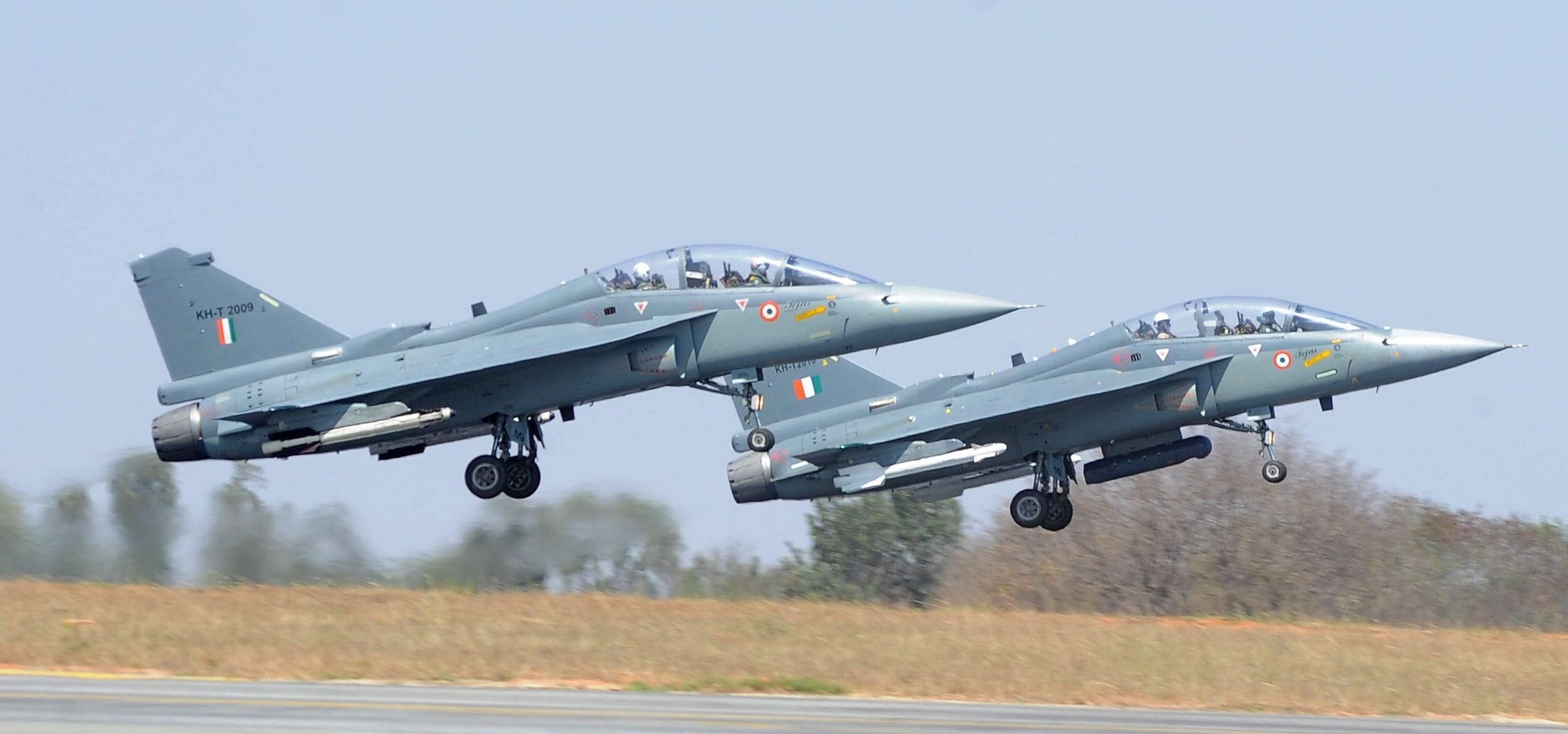
The LRSSSCM is, in part, a direct answer to that second lesson: broaden the delivery fleet by making the next supersonic cruise missile small enough to be carried by fighters like the Tejas, Rafale, Mirage-2000, and Jaguar not just the Su-30 MKI.
Propulsion Technology: Liquid Fuel vs Solid Fuel Ramjet
One of the most technically significant design choices for the LRSSSCM concerns its ramjet propulsion system. DRDO is currently developing two distinct ramjet variants:
Liquid Fuel Ramjet (LFRJ): Proven technology used in the BrahMos, offering consistent thrust and well-understood flight characteristics.
Solid Fuel Ducted Rocket (SFDR): A more advanced option better suited for air-launched applications due to simpler logistics, no liquid fuel handling requirements, and reduced system complexity at the aircraft interface level.
For a missile intended to fly from multiple aircraft types across varied operational theatres, the solid fuel ramjet is the technically preferred route. The choice between these two options will become clearer as the programme advances to its next development phase.
Materials Science: How Advanced Metallurgy Enables a Lighter, Longer-Range Missile
A key enabler of the LRSSSCM’s performance improvements over BrahMos is the evolution in materials technology. The BrahMos was built around metallurgical standards and composites available in the late 1990s and early 2000s. Advances in high-temperature alloys, carbon-fibre reinforced composites, and thermal protection materials now allow engineers to build airframes that are simultaneously lighter, more thermally resilient, and structurally superior.
The practical outcome: a missile achieving comparable or superior supersonic performance to BrahMos, but at a fraction of the weight. This is the engineering foundation that makes broad multi-platform compatibility feasible.
Strategic Implications: What the LRSSSCM Changes
The LRSSSCM’s development carries several layers of strategic significance:
Strike Fleet Multiplication: By enabling the Tejas, Rafale, Mirage-2000, and other fighters to carry supersonic cruise missiles, India exponentially increases the number of airframes available for precision deep-strike missions.
Extended Standoff Range: At 1,000 km range, an IAF aircraft taking off from central India can strike targets across the full breadth of Pakistan or deep into western China without entering contested airspace.
Autonomous Technology Base: Unlike BrahMos, A joint venture with Russia. The LRSSSCM is a fully indigenous programme, reducing geopolitical dependencies for critical strike capability.
Stealth Potential: While not yet confirmed, a low-observable (stealth) variant of the LRSSSCM would combine supersonic speed with reduced radar cross-section, making it extraordinarily difficult to intercept even for advanced air defence networks. However, stealthy supersonic missiles are rare because on of the foundational requirement of a cruise missile is alway “low cost”. Both Stealthy & Supersonic aspects will overshoot the cost.
Current Development Status
DRDO has received the Acceptance of Necessity (AoN) for the LRSSSCM programme. This is the formal first stage of India’s defence procurement and development pipeline. It authorises DRDO to proceed with detailed project definition and allocates initial funding. The programme will now move through technology demonstration, design freeze, prototype construction, and flight trials before eventual induction.
Given the complexity of developing a ramjet-powered, long-range missile with new-generation composites, a realistic timeline to first flight test is likely five to eight years, with induction several years beyond that. However, in past few years DRDO has shrunk timelines of multiple missile development programs.
In Nutshell : A Missile That Matters
The LRSSSCM is not merely an incremental upgrade to India’s strike arsenal, it represents a generational shift. By combining the proven lethality of supersonic cruise missile technology with modern materials, indigenous propulsion research, and broad platform compatibility, DRDO is building a weapon that could fundamentally alter strike calculus across the subcontinent.
The lessons of Operation Sindoor where a handful of BrahMos missiles paralysed adversary bases and defeated Chinese-supplied air defences have been absorbed. The LRSSSCM is India’s answer to the question: how do we deliver that same devastating effect at scale, from every aircraft in our fleet, at twice the range?
The approval has come. The funding will follow. The equation is about to change.
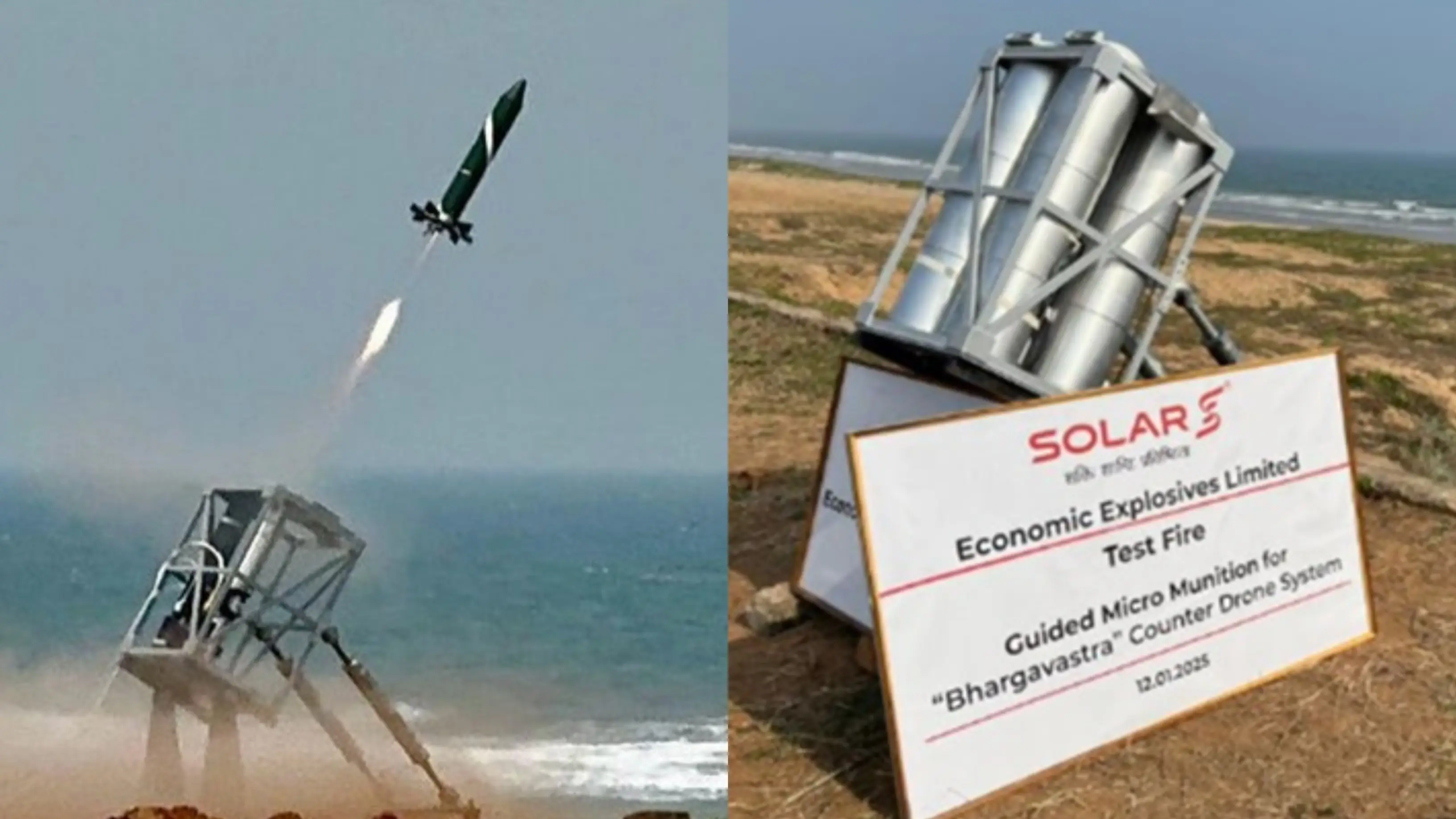
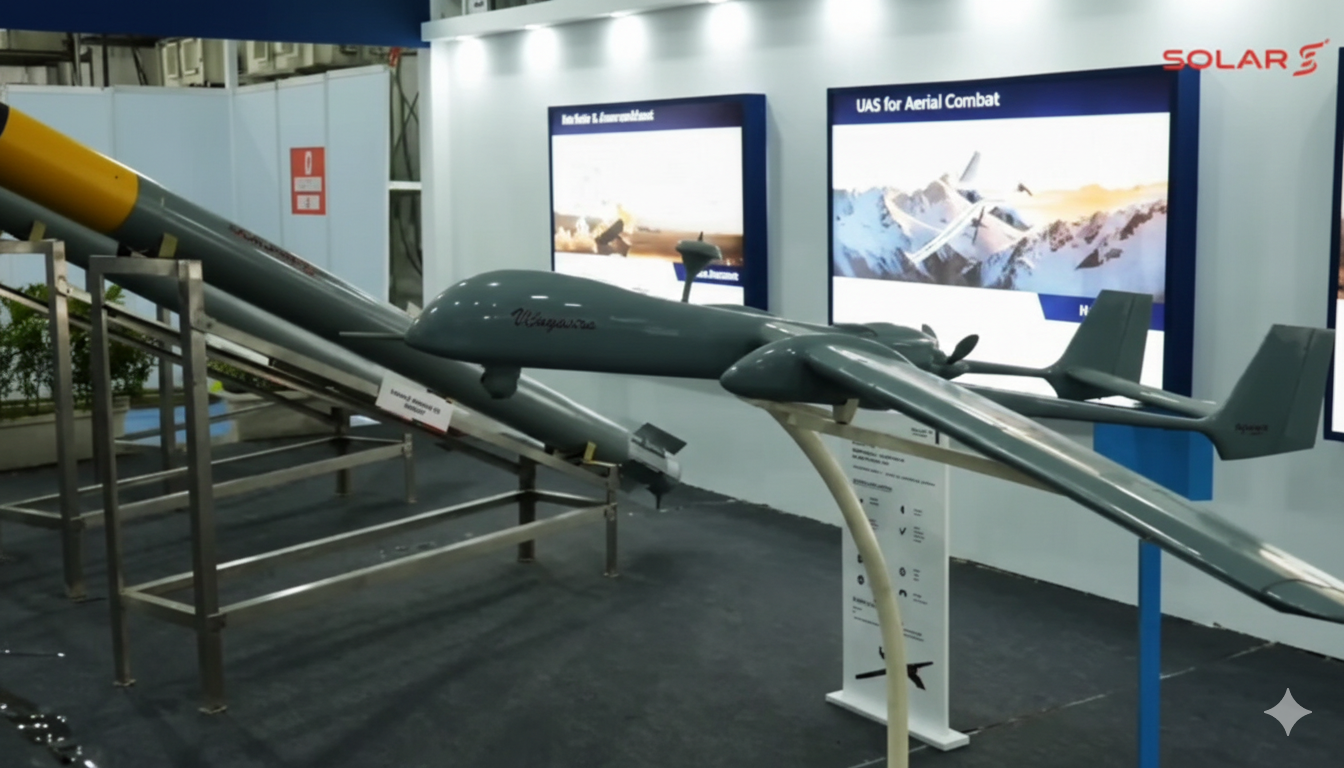
SFDR – Solid Fuel Ducted Ramjet