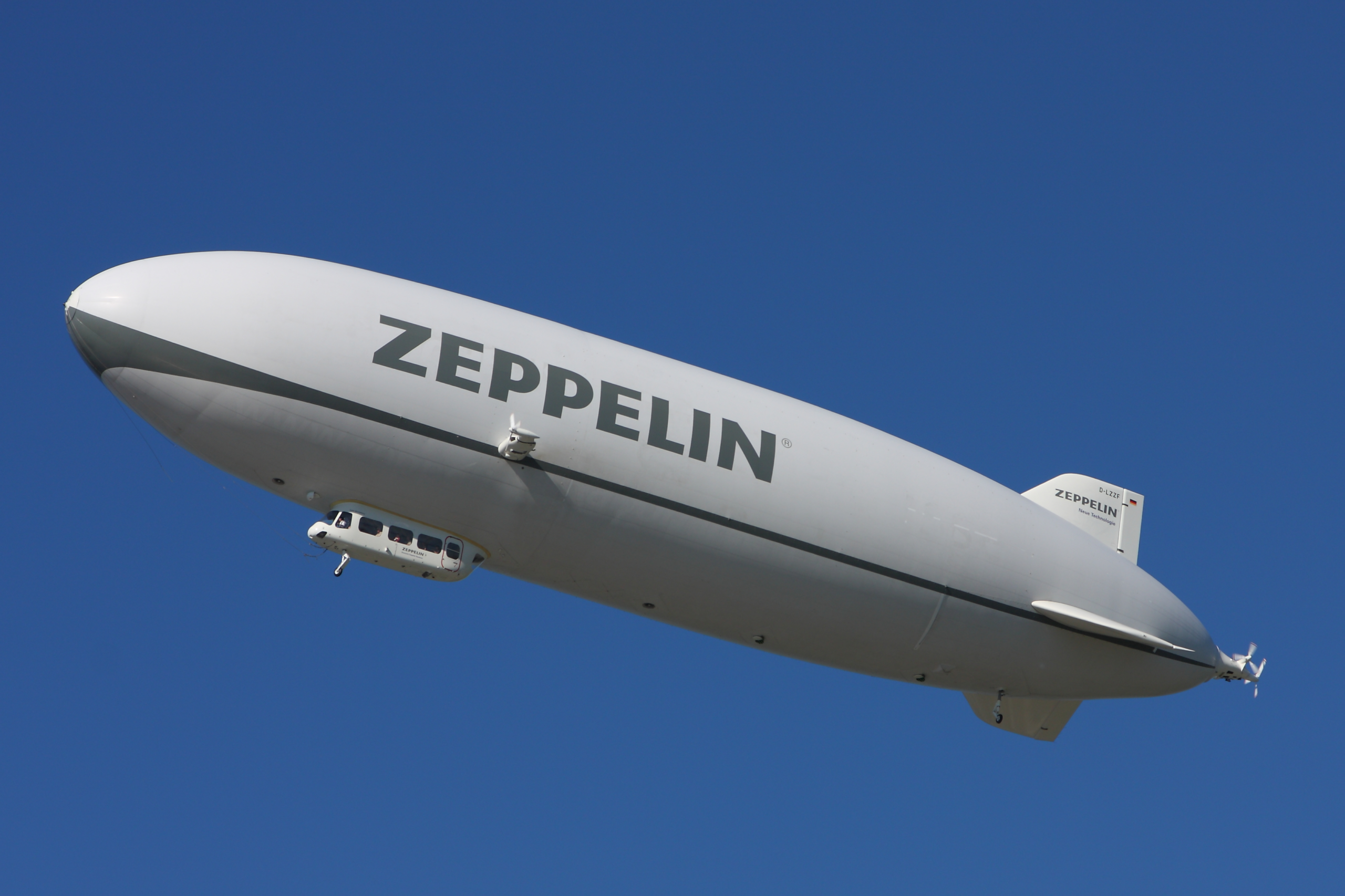
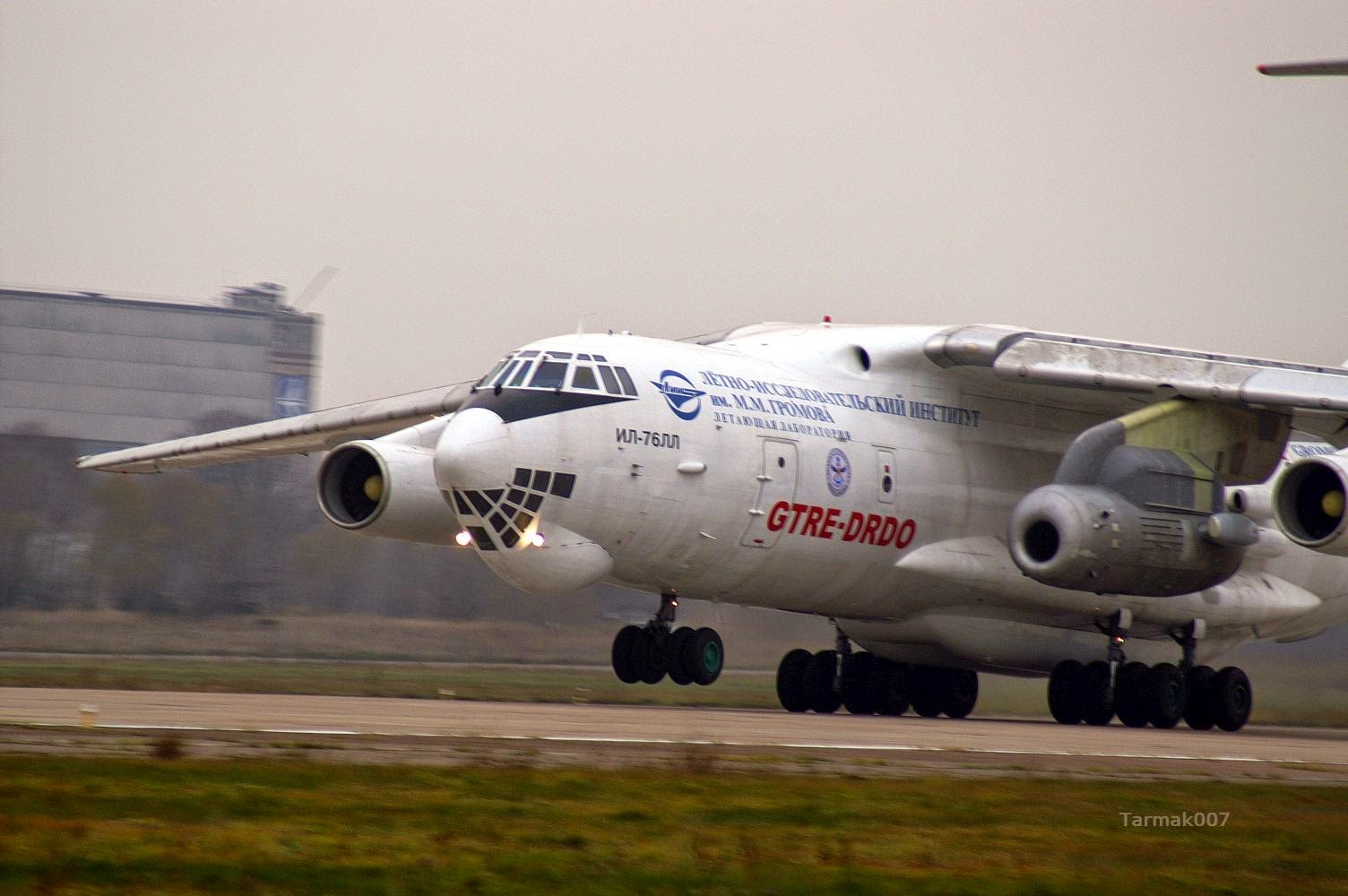
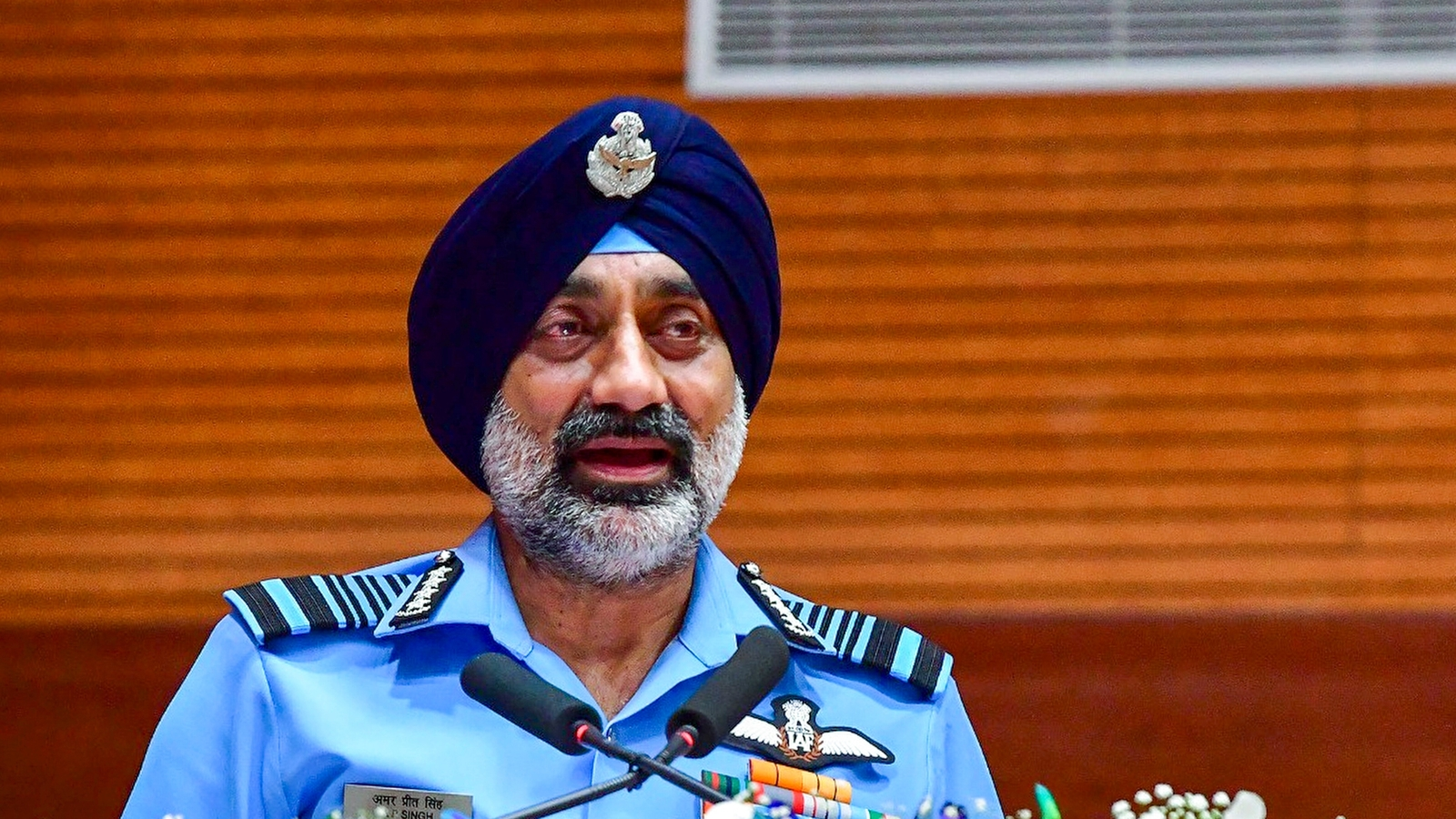
The landscape of Indian defense technology is witnessing a monumental shift toward high-endurance, indigenous aerial platforms. In a significant move under the Defence Acquisition Procedure (DAP) 2020, the Indian Air Force (IAF) has unveiled a project brief for the design, development, and manufacture of Medium Altitude Heavy Lift Airships.
Categorized under the Make-I sub-category, this initiative represents a strategic partnership between the IAF and the indigenous defense industry to bridge the gap in persistent ISR (Intelligence, Surveillance, and Reconnaissance) and multi-payload operations.
Project Overview: Redefining Airborne Persistence
The primary objective of the project is the creation of a multi-utility airship platform capable of remaining airborne for extended periods, far surpassing the endurance of traditional fixed-wing or rotary aircraft.
Key Tactical Roles Envisaged:
- Persistent ISR: Constant monitoring using advanced Radar, EO & IR (Electro-Optical and Infrared), SAR (Synthetic Aperture Radar), and SIGINT (Signal Intelligence) suites.
- Airborne Communications: Serving as a communication relay akin to AWACS (Airborne Warning and Control System) and AEW&C (Airborne Early Warning and Control) platforms.
- Kinetic Capabilities: Future-proofing the platform to act as a launch base for projectiles or swarms of drones.
The Hydrogen Advantage
A standout feature of the IAF’s proposal is the preference for Hydrogen as the primary lifting and fuel source. While traditional airships have historically relied on Helium, the IAF highlights several strategic advantages of Hydrogen:
- Superior Lift: Hydrogen is the lightest gas, providing maximum buoyancy.
- Logistical Efficiency: It is abundantly available and significantly cheaper than Helium.
- Sustainability: With clean combustion resulting only in water vapor, it aligns with modern “green” defense initiatives.
Technical Specifications & Performance Parameters
The preliminary technical parameters outlined in Enclosure A suggest a platform designed for extreme versatility and heavy-duty operations:
| Feature | Requirement | Desirable/Future Scope |
| Operating Altitude | Sea Level to 10,000 ft. AMSL | Up to 30,000 ft. AMSL |
| Payload Capacity | Minimum 2,000 kg | Up to 5,000 kg |
| Endurance | Minimum 10 days | Up to 30 days |
| Maximum Speed | 100 knots True Air Speed (TAS) | — |
| Propulsion | Hybrid (Solar/Battery/Fuel Cell) | — |
| Navigation | GNSS, IRNSS, NAVIC & Denied Env | — |
The airship must also possess the capability to auto-launch and recover from both prepared and unprepared surfaces, ensuring operational flexibility in diverse terrains.
Strategic Indigenous Manufacturing (Make-I)
The project is strictly aligned with the “Aatmanirbhar Bharat” (Self-Reliant India) vision. Successful development will lead to acquisition under the Buy Indian-IDDM category.
- Indigenous Content (IC): A minimum of 50% IC is required, covering design, material, components, and software.
- Quantity: The initial Minimum Order Quantity (MOQ) is estimated at 10 units, though this will be finalized following feasibility studies.
Call for Industry Participation
The IAF is actively seeking proposals from Indian entities that meet the eligibility criteria of DAP 2020. Prospective partners are expected to demonstrate:
- Technical & Financial Depth: Proven capability in aviation MRO, manufacturing, and design.
- Certification Familiarity: Understanding of DGAQA (Directorate General of Aeronautical Quality Assurance) and CEMILAC (Centre for Military Airworthiness Certification) processes.
Submission Deadline: Interested vendors must submit their comprehensive proposals, including answers to the specialized questionnaire in Enclosure B, by 30 April 2026.