India’s flagship fighter program, the HAL Tejas, could face fresh delays as ongoing conflict involving Israel begins to impact global defence supply chains.
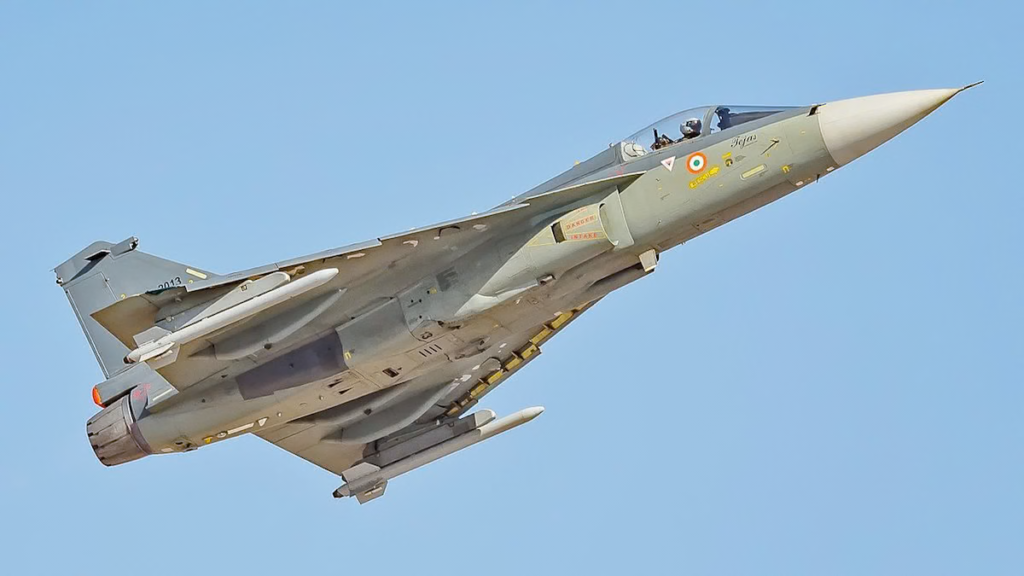
At the center of the concern is India’s continued dependence on imported Israeli systems for the Tejas Mk1A variant despite having indigenous alternatives ready.
Foreign Dependence Meets Geopolitical Reality
Hindustan Aeronautics Limited (HAL), the prime integrator of the Tejas program, had opted to equip all 83 Mk1A aircraft with Israeli-origin radar and electronic warfare systems.
This decision is now under question.
With Israel actively engaged in conflict, its defence industry is expected to prioritize domestic military requirements. The implications are immediate:
• Slower export deliveries
• Supply chain disruptions
• Rising uncertainty in timelines
For India, this translates into potential delays in Tejas induction at a time when squadron strength is already under pressure.
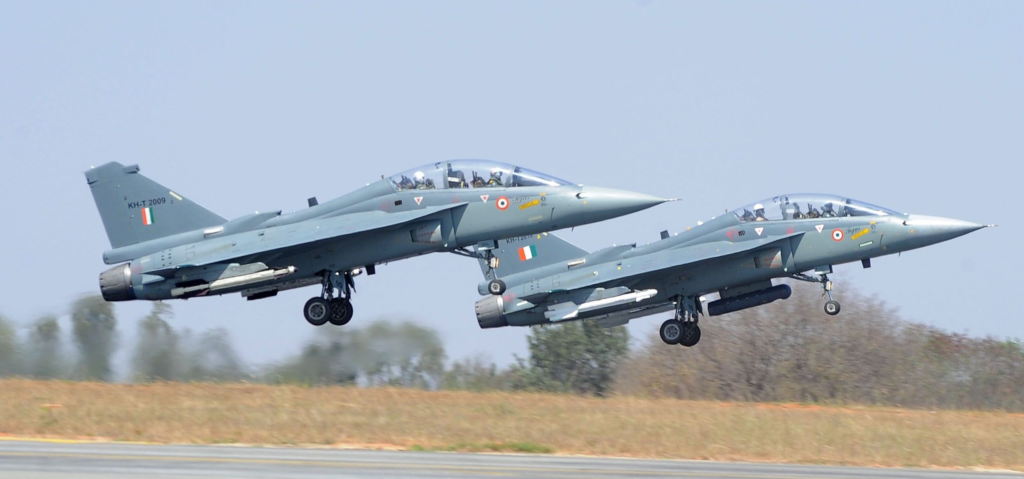
The Missed Indigenous Opportunity
Ironically, India is no longer short of capable alternatives.
The Defence Research and Development Organisation (DRDO) has developed two critical systems:
• Uttam AESA Radar
• Swayam Raksha Kavach (SRK) electronic warfare suite
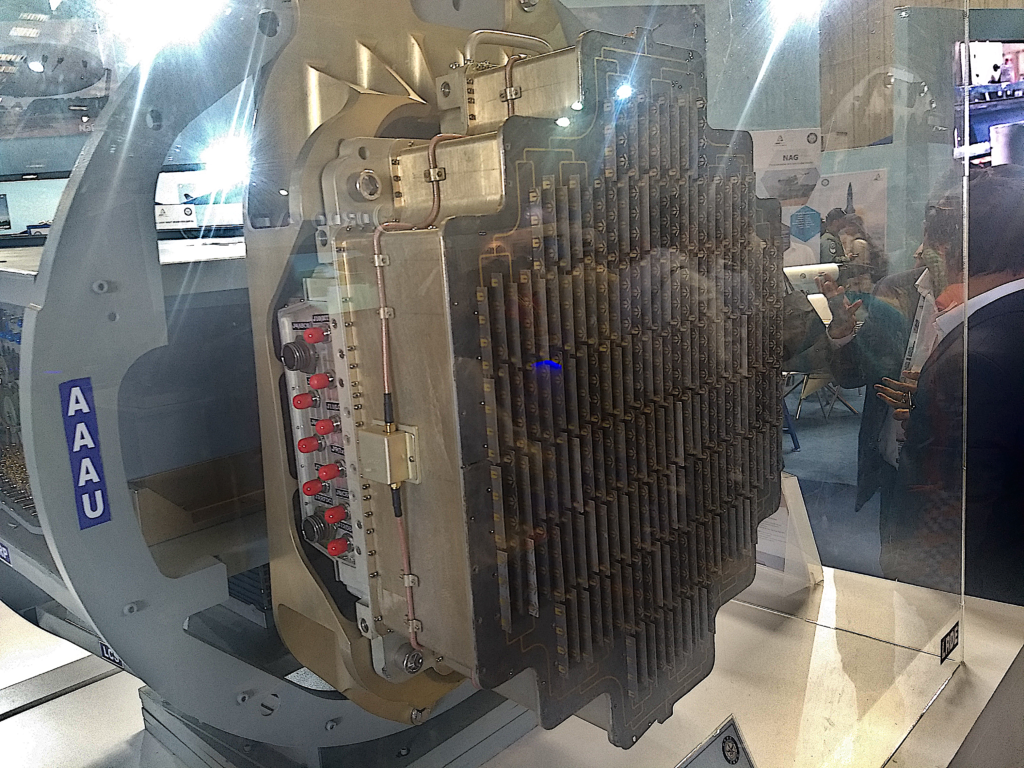
The Uttam radar, based on advanced GaN technology, offers:
• Higher power efficiency
• Longer detection ranges
• Improved resistance to jamming
These are not experimental systems anymore they represent a mature capability built over years of investment.
How It Started: Sanctions That Built Capability
The roots of this situation go back to the Pokhran-II nuclear tests.
Post-sanctions, India lost access to critical technologies, forcing a strategic shift:
• Continue development using imported systems where necessary
• Simultaneously build indigenous replacements
This dual-track approach allowed the Tejas program to survive and eventually evolve into a platform with growing domestic content.
Where the Plan Drifted
The original roadmap was clear:
Uttam AESA was expected to be introduced from the 21st Tejas Mk1A aircraft onward.
However, development delays led HAL to adopt a fully imported configuration for the entire Mk1A batch. In doing so, both Uttam and SRK were effectively sidelined despite nearing readiness.
At the time, the decision raised questions. Today, it is exposing vulnerabilities. While imported components are delayed, Uttam and SKR are completely available.
Why This Moment Is Critical
The Tejas program is no longer just a developmental effort. it is central to India’s air power planning.
Continued reliance on foreign systems now risks:
• Compounding production delays
• Increased costs due to supply uncertainty
• Reduced operational preparedness
In contrast, integrating indigenous systems offers:
• Greater control over timelines
• Immunity from external geopolitical shocks
• Acceleration of India’s defence ecosystem
The Larger Strategic Signal
The Tejas story has always been about more than a fighter jet. It is a test case for India’s pursuit of defence self-reliance.
The current situation delivers a clear message:
Self-reliance cannot remain a phased ambition, it must become an operational priority.
India today possesses credible systems like Uttam AESA and SRK. Delaying their induction not only impacts timelines but also postpones strategic independence.
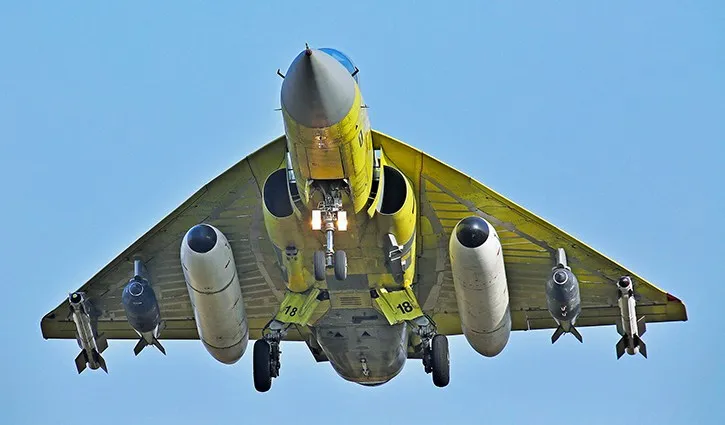

Covid then ukraine then Iran then…… make in India is not optional but strategic.
HAL is notorious organisation in not supporting Atmanirbhabharat. One need not be astonished. It has become too unwieldy. Like Russia and Chine it should be split into 3 units.
One for helicopters 2. for jets and 3rd for other items.