An Alpha Defense Exclusive
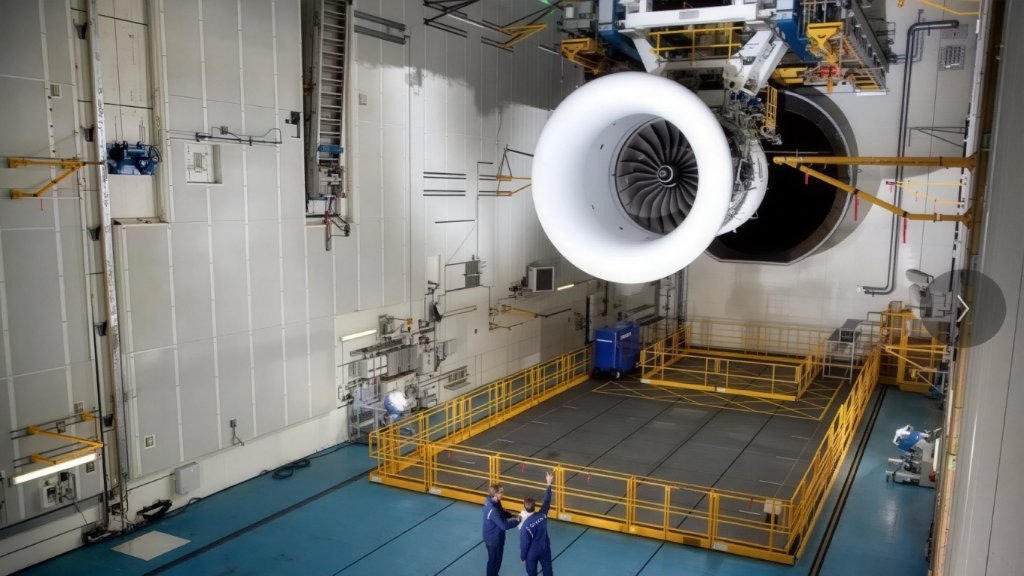
India is moving forward with a strong push toward self-reliance in defence aviation technology. The Gas Turbine Research Establishment, a leading lab under the Defence Research and Development Organisation and the Ministry of Defence, has released a Request for Information (RFI) to set up a National Aero Engine Test Complex (NAETC).
This proposed facility aims to bring complete, end-to-end aero engine testing capabilities within India, reducing the need to depend on foreign infrastructure.
Why This Matters: Building an Indigenous Aero Engine
A key driver behind this initiative is India’s effort to develop a high-thrust aero engine domestically. GTRE, based in Bengaluru, is leading work on an Indigenous Advanced High Thrust Class Aero Engine, which is essential for future combat aircraft.
Before such engines can be deployed, they must go through extensive testing. This includes validating performance, durability, and safety across all major components such as the fan, compressor, combustor, turbine, and afterburner.
At present, India does not have a single integrated facility capable of handling this full range of tests at the required scale. The NAETC is intended to address this gap.
What the NAETC Will Include
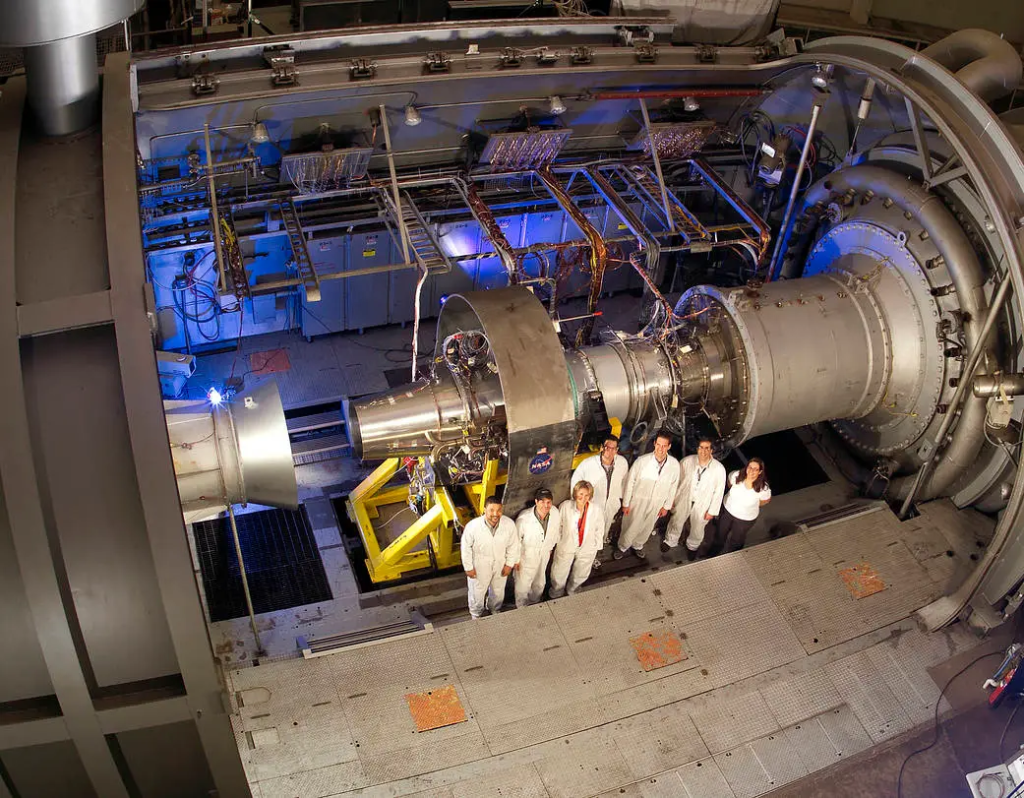
The National Aero Engine Test Complex is planned as a fully integrated, world-class testing hub within India. It will include:
- A High Altitude Engine Test Facility to simulate real flight conditions at extreme altitudes
- A Fan and Compressor Test Facility for evaluating compression stages
- A Combustor Test Facility to assess combustion performance and durability
- A Turbine Test Facility for testing turbine components under realistic stress conditions
- An Afterburner Test Facility to validate thrust augmentation systems
Beyond supporting GTRE, this complex is expected to serve as a national resource for India’s wider aerospace ecosystem.
Call for Global Participation
Through RFI, GTRE is inviting interest from both Indian and international players. This includes:
- Original Equipment Manufacturers
- Test facility developers and integrators
- Industrial partners
- Joint ventures and consortiums
Interested organizations should have proven experience in setting up advanced aero engine test facilities and be capable of delivering the entire project, including infrastructure, on a turnkey basis and this is where it appears Safran and Rolls Royce have edge.
Strategic Importance
The NAETC is not just another infrastructure project. It represents a major step in India’s defence capability building.
- Stronger self-reliance: Domestic testing reduces dependence on foreign facilities and safeguards sensitive technologies
- Support for indigenous engines: Provides critical infrastructure for testing and certification
- Technology collaboration: Opens opportunities for global partnerships and knowledge transfer
- Long-term national asset: Will benefit public sector units, private companies, and research institutions across India
With this RFI, India is clearly signaling its intent to build world-class aerospace capabilities within the country. Once operational, the NAETC will play a central role in enabling India to design, test, and certify advanced aero engines independently.
For global and domestic players in aerospace, this presents a significant opportunity to be part of a long-term, high-impact national program.
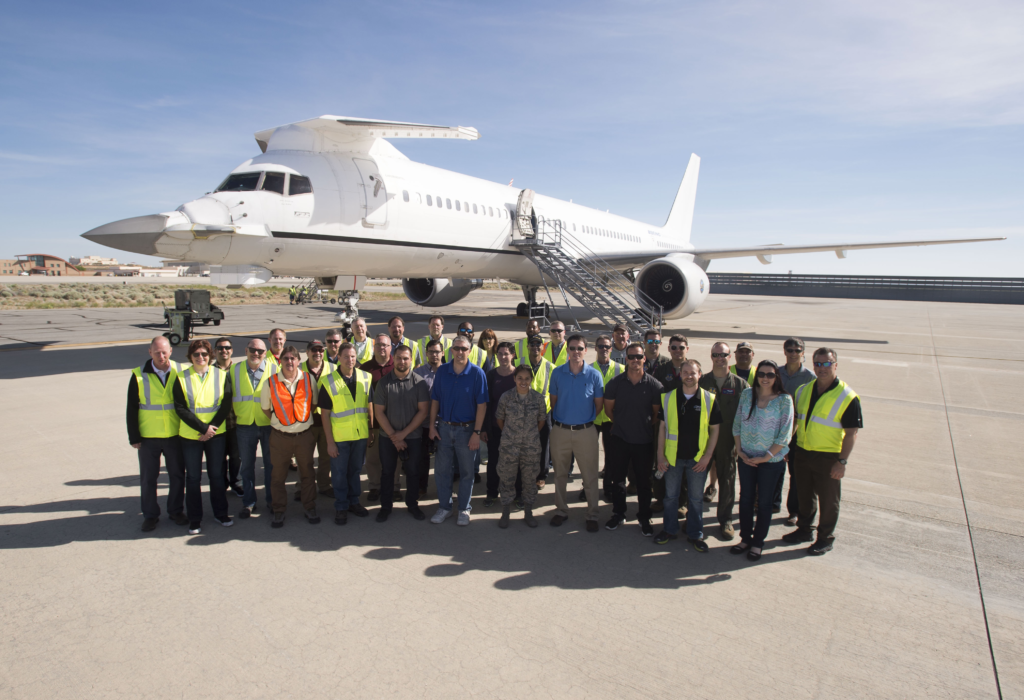
With the NAETC set to anchor India’s aero-engine design, testing, and certification ecosystem, the logical next step is the development of a dedicated Flying Test Bed (FTB). While ground-based facilities will validate core performance parameters, an FTB is indispensable for real-world evaluation enabling in-flight testing of engines across varying altitudes, speeds, and operational conditions. It bridges the critical gap between lab validation and operational deployment, allowing engineers to assess reliability, integration challenges, and performance under dynamic flight loads. For India, investing in an indigenous flying test bed would not only accelerate engine development cycles but also significantly reduce dependence on foreign platforms for flight certification, reinforcing true aerospace self-reliance.