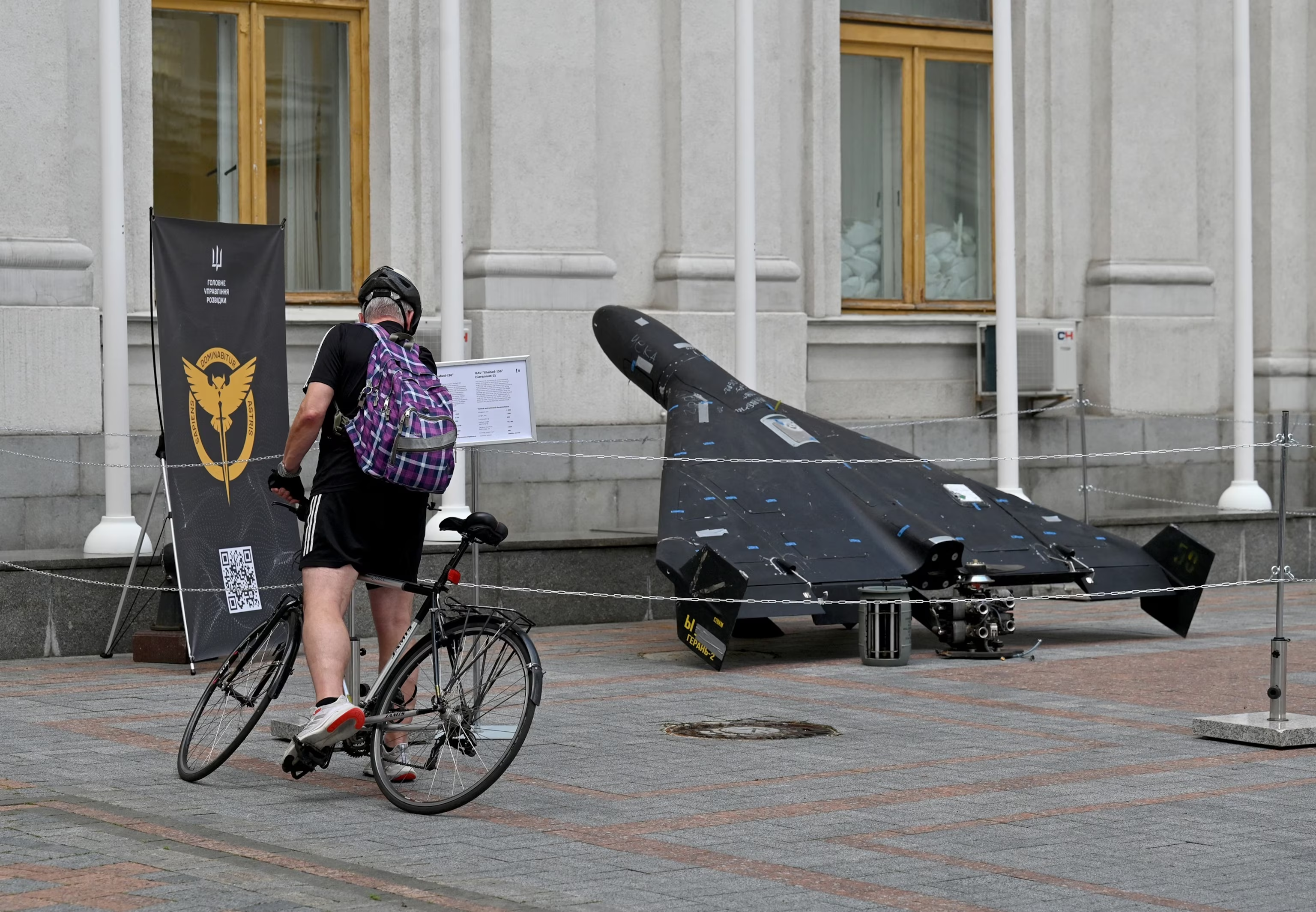
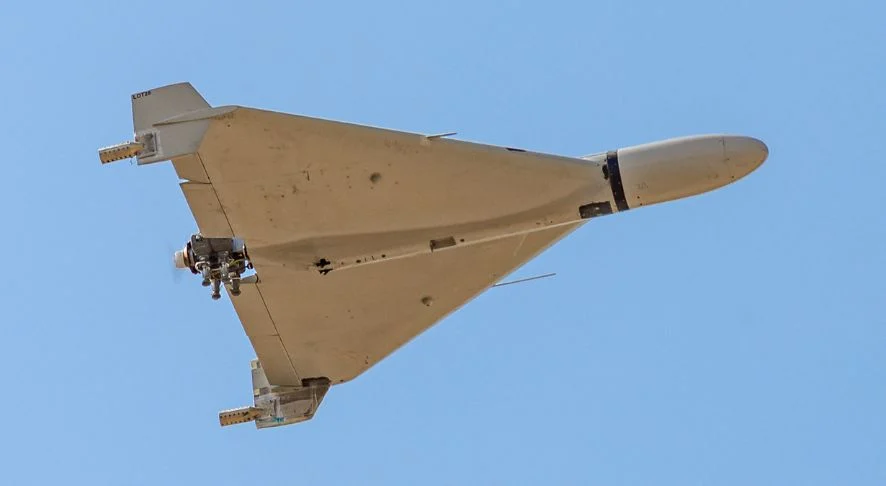
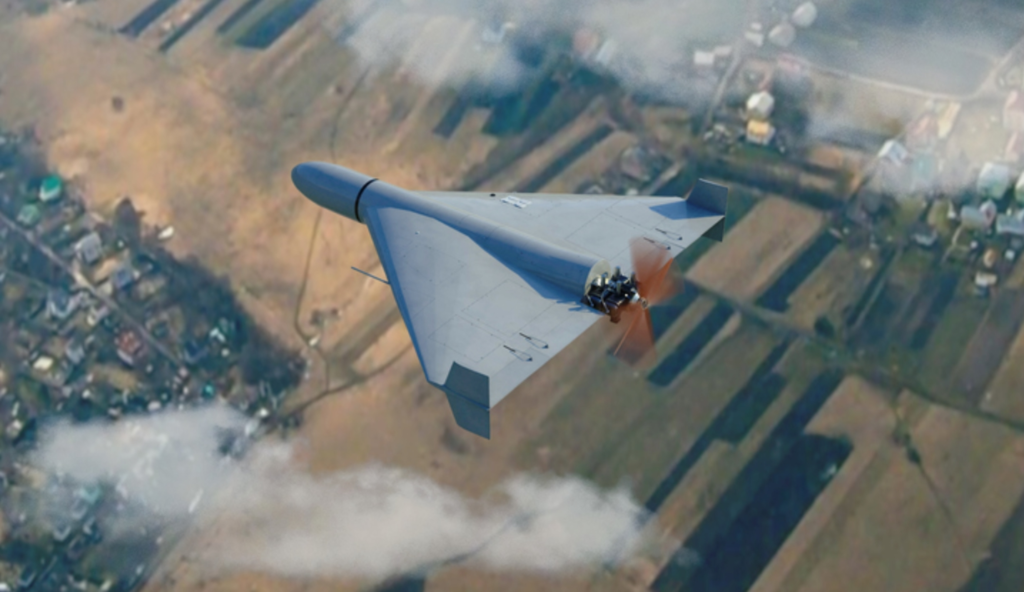
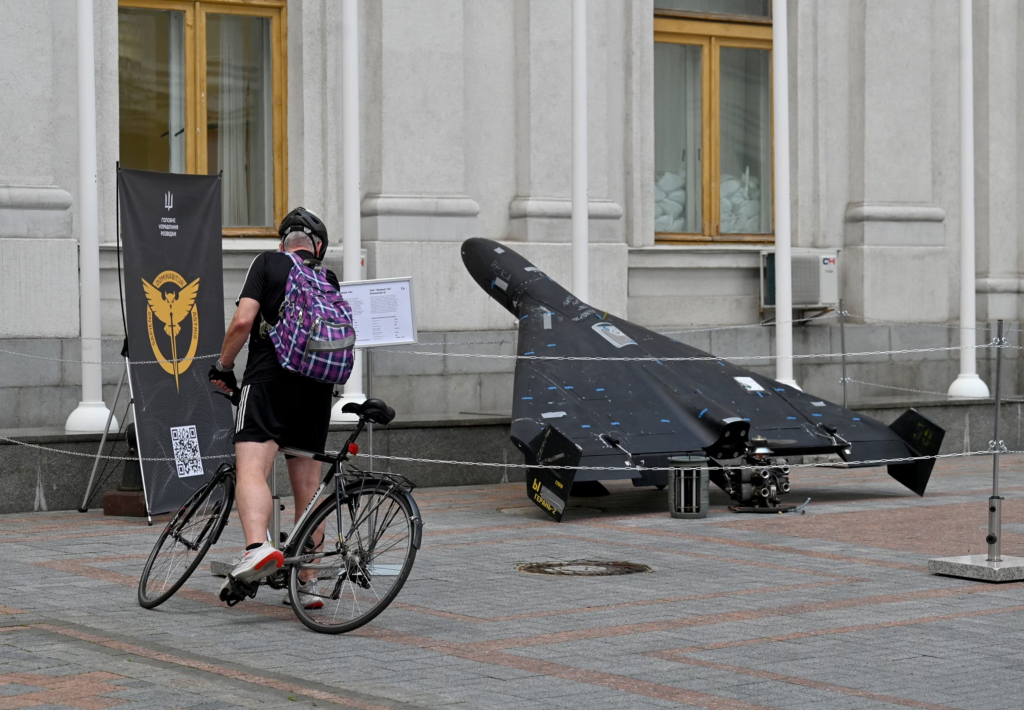
The Story of Geran starts with Russia Ukraine conflict. Russia entered the Ukraine conflict with weak unmanned aviation capabilities. However, the situation changed after Russia acquired the HESA Shahed-136 from Iran. Engineers classify the system as a delta-wing, expendable, long-range loitering munition with GPS-aided inertial guidance. Operators typically fire the munition in salvos using modular, rail-mounted launch racks. The airframe uses a pusher-prop configuration that maintains stable cruise efficiency. Public footage confirmed its operational form in December 2021. Russian forces later employed the platform extensively against Ukrainian energy nodes. Russian units then reverse-engineered the architecture and began mass-producing an indigenous derivative. Moreover, the U.S. military recently announced the LUCAS drone on 3 December 2025. The announcement confirmed a structural clone and rapid squadron-level deployment in the Middle East.
Geran Narrative and Russian Outreach in India
During the recent Russian presidential visit, Russian officials offered a customized UAV variant to Indian armed forces. Russian state-linked media amplified the narrative through coordinated articles and social posts. Russian digital networks also expanded their Indian footprint rapidly. These networks usually maintain strict alignment with Kremlin communication strategies. The outreach attempted to build acceptance for the loitering munition within Indian military circles.
Indian Forces and Their Long-Range Loitering Needs
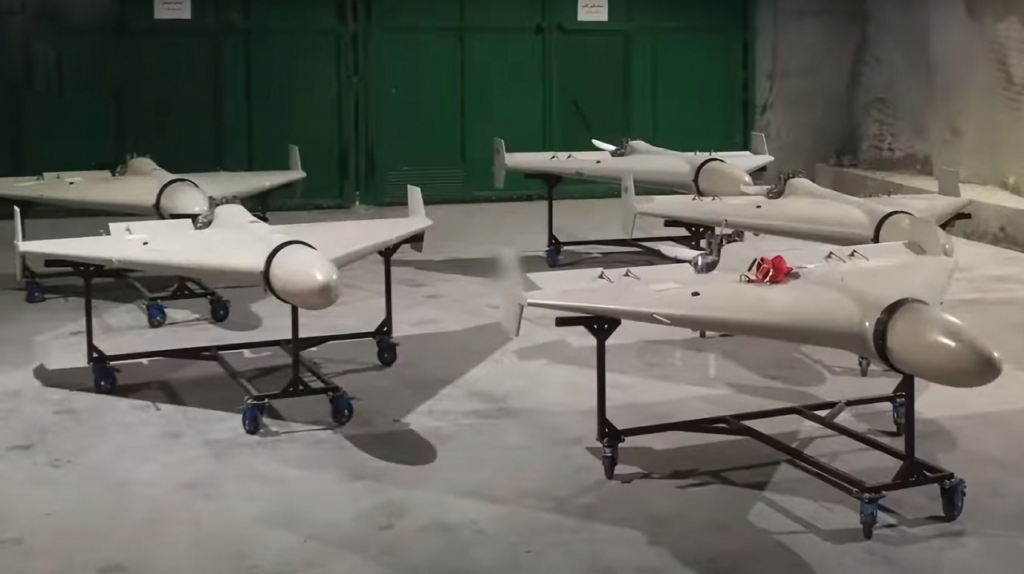
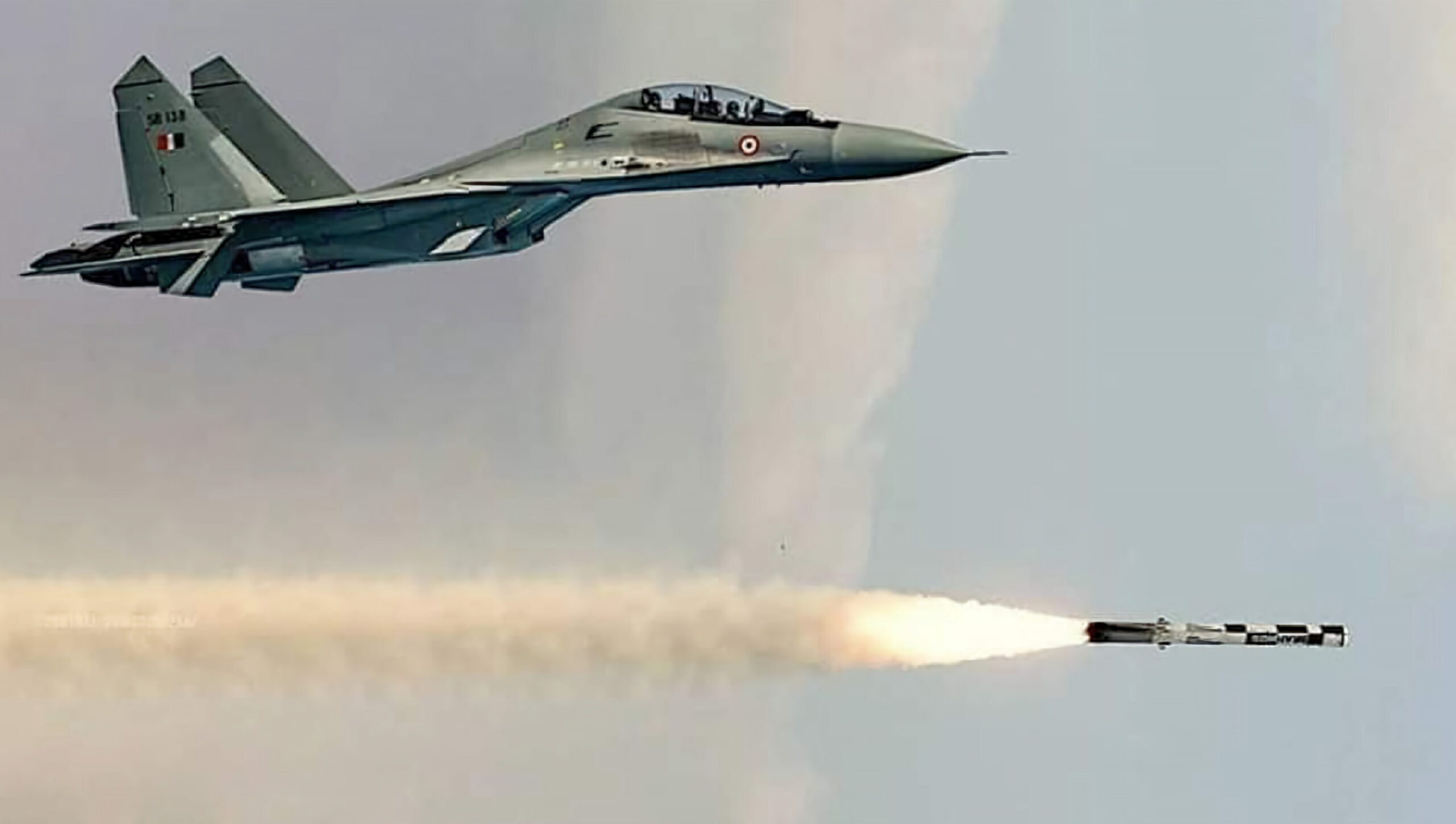
Indian forces continue refining their doctrine for long-range precision strike drones. During Operation Sindoor, Indian units deployed indigenous and imported loitering munitions against Pakistan. The systems demonstrated excellent terminal-stage accuracy and robust datalink stability. The Indian Army now seeks extended-range loitering platforms with modular warhead options. The service demands high endurance, precise navigation suites, and resilient electronic counter-countermeasure frameworks. Russia attempted to position its modified Iranian-origin system as a direct match for this requirement.
Government Assessment and Import Position
Multiple reports circulated on the proposed UAV offer. Therefore, we approached defence ministry contacts for clarity. Senior officials confirmed that India is not keen on importing such systems. Officials emphasized that domestic industry can design comparable platforms if required. They also underlined that India prefers sovereign manufacturing control for strategic autonomous systems. The stance reflects long-term procurement discipline across unmanned combat categories.
Indian Industry and the Push for Indigenous Loitering Systems
Several Indian firms and state agencies already develop long-range loitering munitions. These programs include airframes with low-observable shaping, dual-redundant avionics, and hardened communication links. The ministry’s message reinforces a clear direction. India does not intend to pursue the foreign system. Instead, it expects Indian developers to deliver superior indigenous alternatives. The approach strengthens local R&D ecosystems and ensures long-term autonomy in critical unmanned warfare technologies.
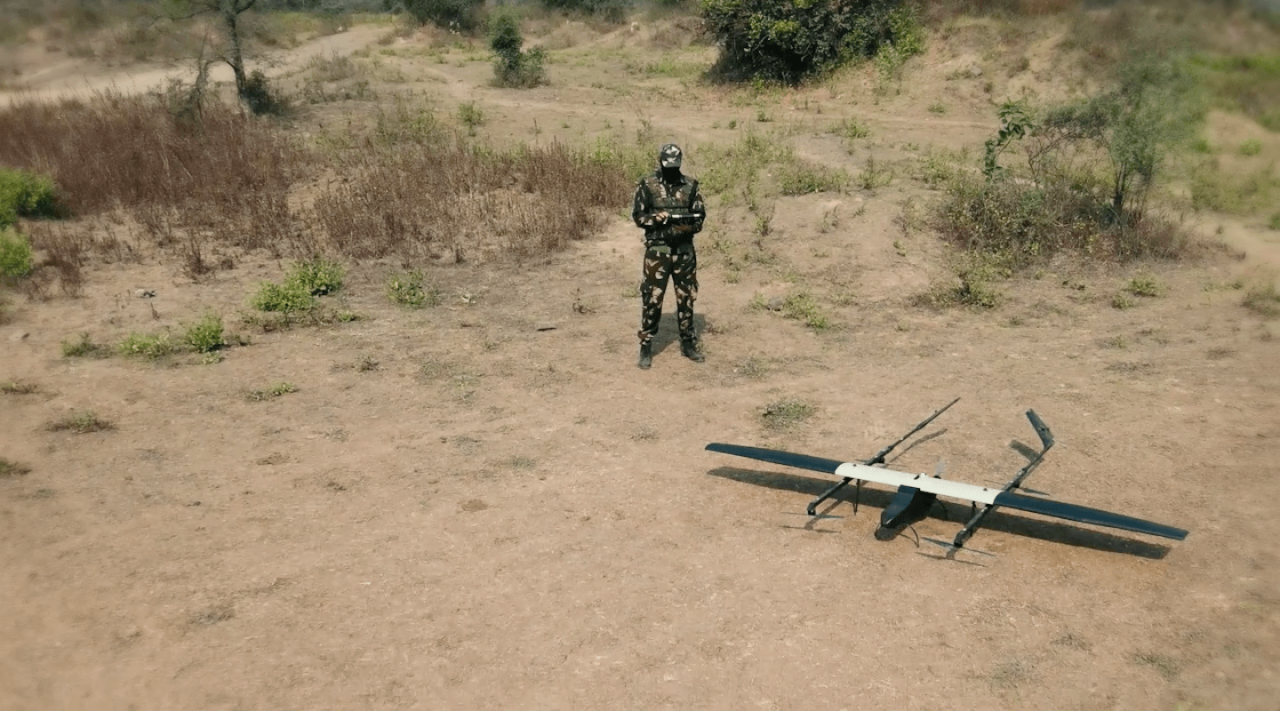
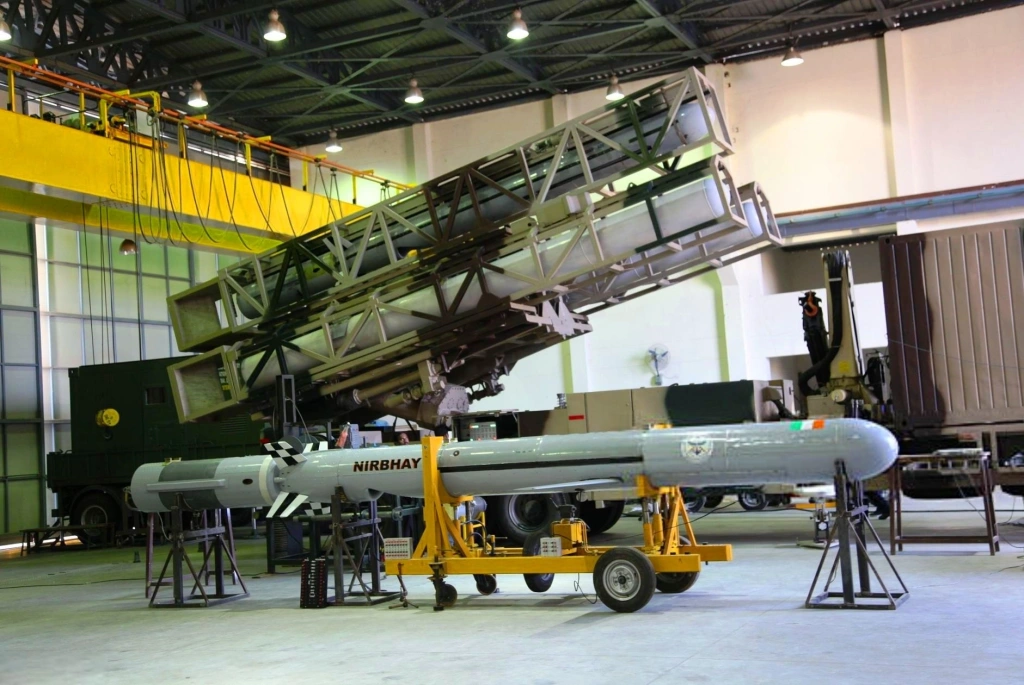
Indian industry has shown interest and intent in drones. It is the big companies that lack initiative for big projects, they want things on a platter. Kalyani is an exception.
Compliance and colonial complex has resulted in screwdriver industry as far as large defence projects are concerned.