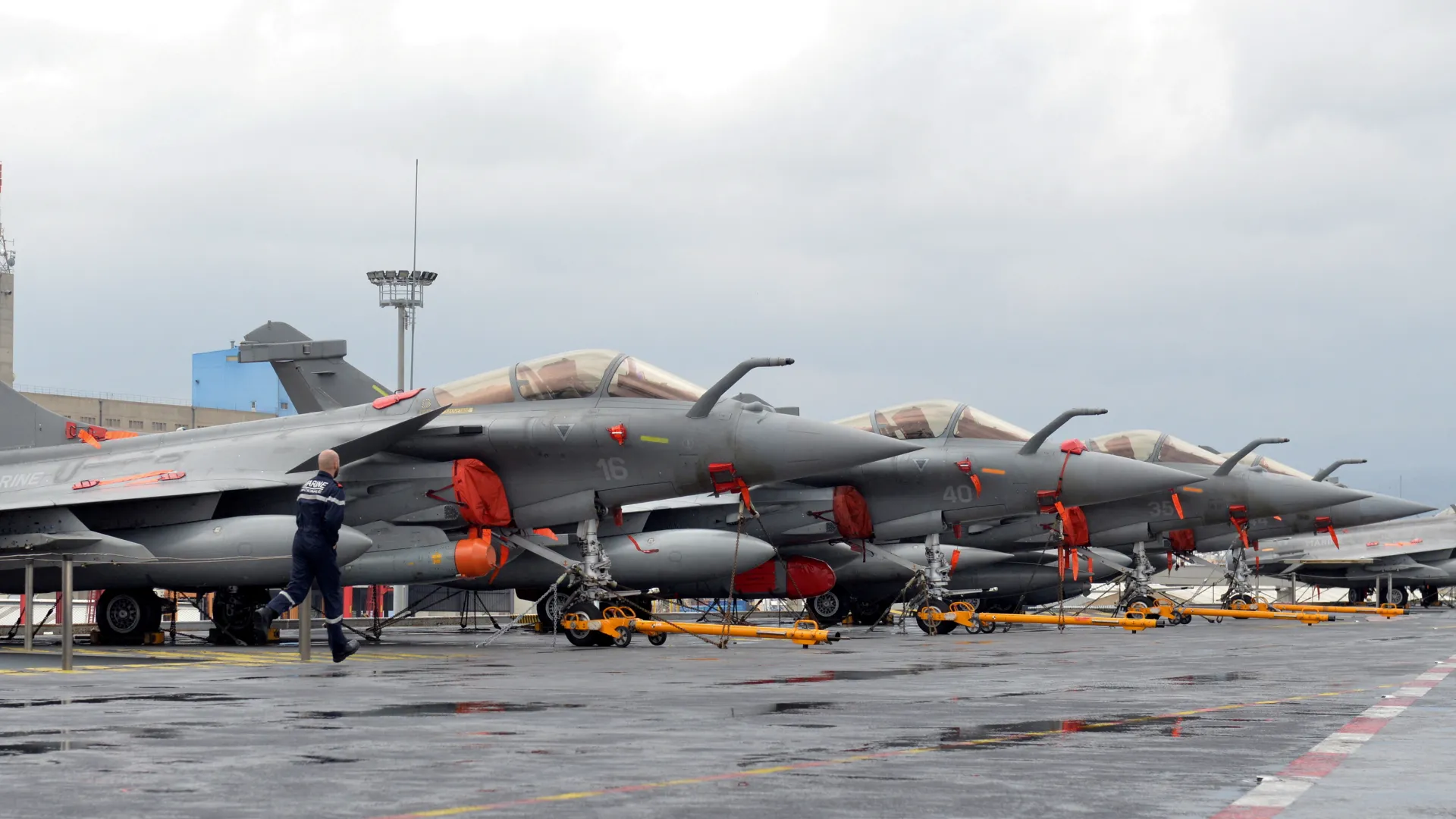
The Defence Acquisition Council (DAC), chaired by Defence Minister Rajnath Singh, has granted Acceptance of Necessity (AoN) for the procurement of 114 Multi-Role Fighter (MRF) aircraft for the Indian Air Force (IAF).
At first glance, headlines may suggest that the Rafale fighter jet has been approved or that the deal has received a final green signal. However, that interpretation is premature. The reality is more procedural — and far more nuanced.
This decision marks the beginning of a structured procurement journey that could shape the future of India’s air power for decades.
What Does Acceptance of Necessity Actually Mean?
Acceptance of Necessity does not mean a contract has been signed. Instead, it signifies that:
- The Ministry of Defence formally acknowledges the operational requirement.
- The Indian Air Force is authorised to proceed with the procurement process.
- Financial and strategic justification for 114 aircraft has been validated at the policy level.
Earlier, the Defence Procurement Board had cleared the proposal. Now, with DAC approval, the process moves forward institutionally.
However, the final contract will only materialise after approval by the Cabinet Committee on Security (CCS), chaired by the Prime Minister.
Until then, no deal is legally binding. However, more or less certain.
Why Is It Still Called the MRF Program?
Interestingly, the Indian Air Force continues to refer to the project as the Multi-Role Fighter (MRF) program rather than explicitly naming Rafale.
This distinction is important.
Officially, the requirement remains for a medium-category multi-role aircraft. From a procedural standpoint, the tender must remain open. In theory, any vendor capable of offering a better solution can participate.
In practice, however, the situation is more complex.
India already operates 36 Rafale aircraft. Dassault Aviation has established an industrial footprint in India. Infrastructure, training pipelines, maintenance ecosystems, and logistics chains are already aligned with Rafale operations.
Therefore, while the competition remains technically open, matching the existing ecosystem presents a formidable challenge for any alternate platform.
The Negotiation Phase: What Happens Next?
The next steps will likely include:
- Issuance of a formal Request for Proposal (RFP) to Dassault Aviation.
- Submission of detailed commercial and technical bids.
- Negotiation of pricing, delivery timelines, offsets, and localisation.
- Conversion of the notional proposal into a comprehensive contractual document.
- Final approval by the Cabinet Committee on Security.
Only after CCS approval will a legally binding contract be signed.
Given the current pace, observers estimate that the process could conclude within six months in an optimistic scenario significantly faster than previous high-value defence procurements.
Could an MoU Be Signed During the French President’s Visit?
With the French President scheduled to visit India soon, there is speculation that a Memorandum of Understanding (MoU) may be signed.
An MoU, however, would not constitute a contract. Instead, it would signal political intent and strategic alignment. Detailed negotiations would still follow.
Thus, symbolism but for the optics MoUs are good.
Indigenous Content and Weapon Integration: The Strategic Question
One of the most critical yet under-discussed aspects of this procurement is indigenisation.
Several reports claim that indigenous weapon systems may be integrated onto the platform. However, no terms and conditions have been finalised. At this stage, all proposals remain notional.
The real test lies in the AoN document and subsequent negotiations. Key questions include:
- What percentage of indigenous content will be mandated?
- Can this percentage increase over time?
- Will India have full freedom to integrate indigenous weapons?
- What are the long-term maintenance and sustainment dependencies?
If indigenous weapon integration is limited, the long-term financial implications could be significant. In a war-like scenario, reliance on imported munitions and spares would require substantial foreign exchange outflow.
Therefore, beyond acquisition cost, lifecycle autonomy becomes central to strategic decision-making. However, it all boils down to what options India has.
Why the Rafale File Remains Politically Sensitive
Historically, the Rafale deal has been politically contentious. As a result, there is a possibility that detailed AoN documentation may not be publicly released.
While many defence AoNs are eventually made public, this particular procurement may remain tightly controlled due to its political history and strategic weight.
Transparency and confidentiality will therefore remain in delicate balance.
Strategic Implications for the Indian Air Force
The IAF’s operational requirements are clear:
- Replace ageing fleets.
- Maintain squadron strength.
- Ensure technological superiority in a two-front contingency.
However, from a broader strategic autonomy perspective, the real measure of success will depend on:
- Degree of localisation.
- Industrial participation.
- Sovereign control over weapons and upgrades.
- Long-term sustainment independence.
Without these elements, even a highly capable platform risks becoming financially and strategically restrictive.
A Milestone, Not a Final Decision
The DAC’s Acceptance of Necessity for 114 MRF aircraft is a significant milestone. Yet, it is not the final chapter.
This decision merely initiates a process that will involve intense negotiations, geopolitical considerations, industrial bargaining, and strategic recalibration.
The future of the Indian Air Force will not be defined solely by the platform chosen — but by the degree of sovereignty embedded within the contract.
The coming months will determine whether this procurement enhances India’s strategic autonomy or deepens external dependencies.
The distinction will matter far beyond 114 aircraft.
So its just the hal bola. Its still on paper no contract signed. Our government is just doing publicity stunt to garner votes. Actually it should be kept top secret not to be discussed openly on media platform. Enemies should not know what we are doing and what we are upto. Very bad publicity stunt of GOI. Just trying to show the power but what’s the use off it when you do not know how to fly the multi million fighter jet.