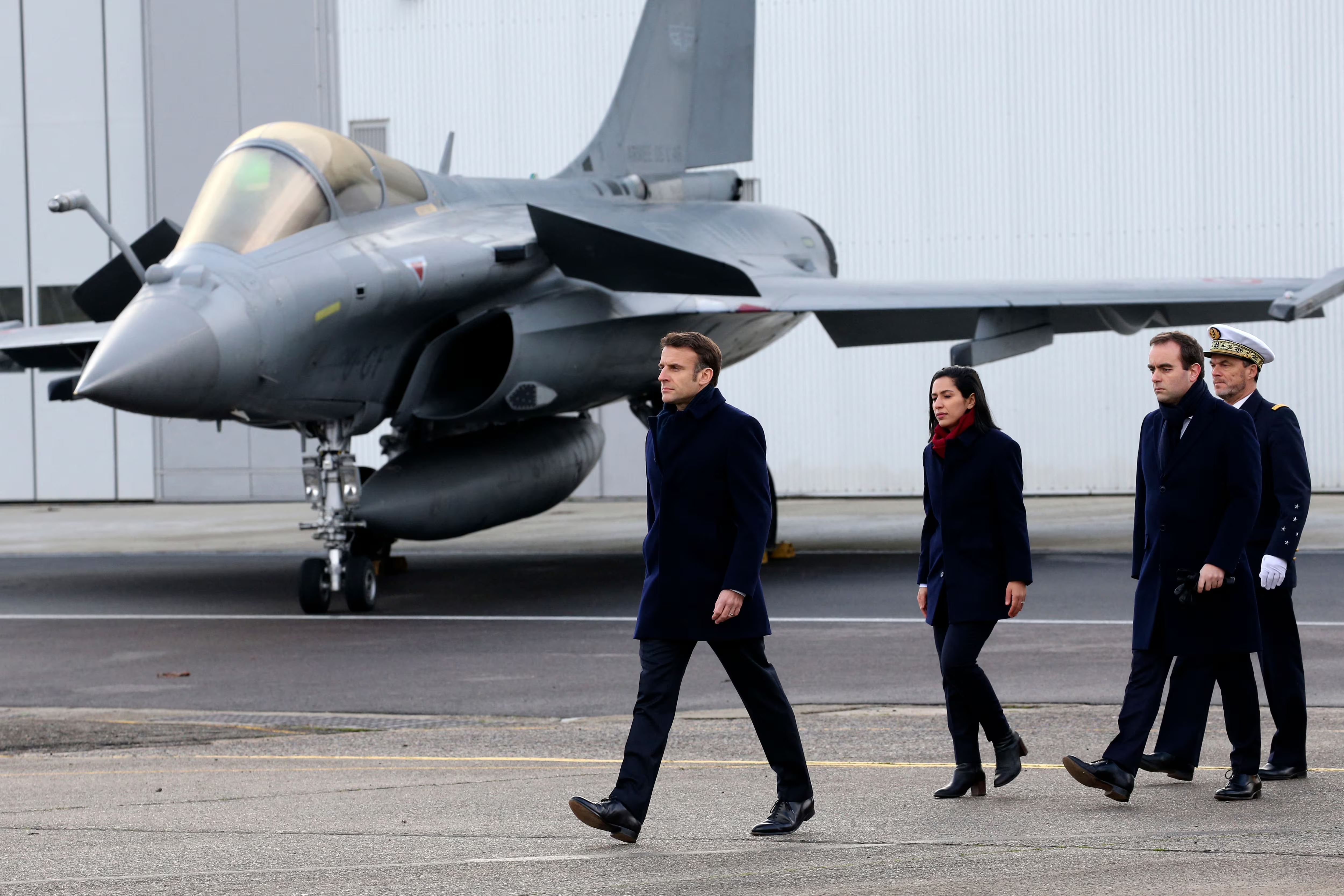
Recent reports claim that the Indian Air Force (IAF) will enjoy a “free hand” to integrate weapons on 114 additional Rafale fighter jets. At face value, this sounds like a major strategic win greater autonomy, indigenous weapons, and freedom from foreign dependence.
However, weapon integration is not a political slogan. It is a deeply technical, contractual, and financial process. If every new missile, bomb, or pod still requires OEM approval, proprietary interfaces, and billion-rupee payments, then this so-called “free hand” is largely symbolic.
India is not opposed to Rafale. The concern is about access, cost, and repeat dependency, not about the aircraft itself.
What Weapon Integration Actually Means
Weapon integration involves far more than mounting a missile on a hardpoint. It includes:
- Access to mission computers and operational flight programs (OFPs)
- Source codes or certified interface control documents (ICDs)
- Radar, EW suite, and sensor fusion compatibility
- Flight testing, separation trials, and certification
- OEM validation and software updates
Without deep access, every new weapon becomes a commercial negotiation, not a sovereign decision.
If India must pay the OEM for each integration cycle, then the IAF does not truly control its combat ecosystem, no matter how advanced the platform.
The Benchmark India Actually Needs: Su-30MKI-Level Access
India already knows what real weapon integration freedom looks like.
The Su-30MKI offers India near-unprecedented access, allowing integration of:
- Astra Mk1
- Astra Mk1ER
- Astra Mk2 (in progress)
- Future Astra Mk3
- Rudram-1, Rudram-2, Rudram-3
- BrahMos-A and future BrahMos-NG
- Indigenous EW pods, seekers, and avionics
This level of access allows India to iterate, upgrade, and integrate at marginal cost, rather than paying full commercial integration fees each time.
If Rafale integration does not approach this level, then claims of a “free hand” must be treated cautiously.
The Astra Missile Family: Strategic Air-to-Air Autonomy
The Astra family is central to India’s long-term air combat strategy.
- Astra Mk1: Already operational on Su-30MKI and Tejas
- Astra Mk1ER: Extended range with improved kinematics
- Astra Mk2: Comparable to Meteor-class threats in engagement envelope
- Astra Mk3: Planned very-long-range capability
If integrating Astra missiles on Rafale requires OEM-controlled software changes, proprietary data links, or paid certification, then India risks being nudged toward MICA-NG purchases instead.
This mirrors earlier narratives where “Hammer was pushed given time constraint for Spice 2000”, subtly justifying procurement over existing integration.
True freedom would mean plug-and-play compatibility, not forced equivalence arguments.
The Rudram Family: SEAD Without Permission Slips
The Rudram series represents India’s growing competence in Suppression and Destruction of Enemy Air Defences (SEAD/DEAD).
- Rudram-1: Operational anti-radiation missile
- Rudram-2: Extended range, multi-mode seeker
- Rudram-3: Hypersonic-class, strategic SEAD weapon
A Rafale that cannot autonomously integrate Rudram-2 or Rudram-3 without OEM intervention becomes a restricted platform, not a sovereign strike asset. Scalp is a good missile but unit cost is 3 million USD (2024 pricing), though stealthy it remains in subsonic regime.
The Cost Reality: SCALP, BrahMos-NG, and the Integration Tax
The SCALP cruise missile, already in IAF service, is an excellent weapon but it is also a cost reference point.
- Each SCALP missile reportedly costs several million dollars (3 million as per the Aviationist)
- Integration, lifecycle support, and upgrades remain OEM-controlled
Now consider the future BrahMos-NG:
- Smaller, lighter, and designed for multi-platform use
- Strategic deterrence value far exceeding SCALP
- Central to India’s maritime and land-attack doctrine
If BrahMos-NG integration on Rafale attracts fresh integration fees, restricted software hooks, or delayed clearances, India could end up paying twice once for the missile, and again for permission to use it.
That defeats the entire logic of indigenous development.
Lessons from HAMMER vs SPICE 2000
India has already lived through this cycle.
During past conflicts, the debate around HAMMER vs SPICE 2000 demonstrated how pre-integrated foreign weapons often enjoy faster approvals, while indigenous or alternate systems face procedural friction.
This creates a subtle but powerful incentive structure:
- Buy what the OEM already supports
- Delay or discourage indigenous options
- Normalize dependency as “operational convenience”
No one is accusing Rafale of being a bad platform. The concern is about structural dependency baked into contracts.
Rafale Is Not the Problem : Access Is
To be clear:
- The Rafale is a combat-proven, capable multirole fighter
- The IAF has used it effectively and professionally
- Procurement itself is not the issue
The issue is whether India is buying aircraft, or permission slips.
If every new missile requires negotiation, validation, and payment, then India is not building air power, it is renting it.
Claims of a “free hand” in Rafale weapon integration must be judged not by statements, but by contractual access and technical control.
India does not oppose Rafale. India opposes permanent dependency.
What the IAF needs is:
- Su-30MKI-level integration access
- Cost-effective indigenous weapon compatibility
- Freedom to deploy Astra, Rudram, and BrahMos-NG without commercial coercion
Anything less risks repeating the MICA-NG over Astra, HAMMER over SPICE, and SCALP over BrahMos pattern where choice exists on paper, but not in practice.
Strategic autonomy begins not at induction but at integration.
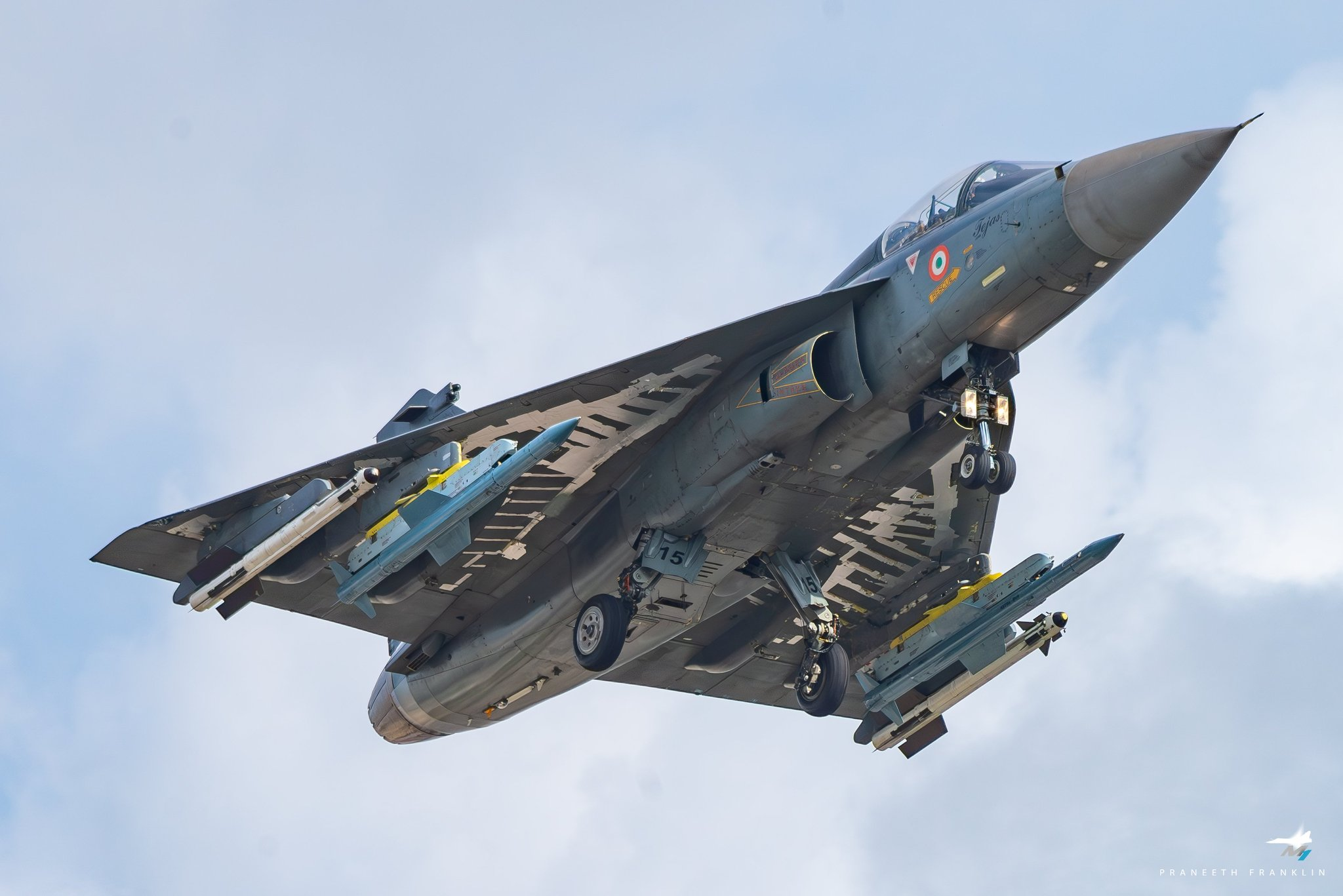
having details of Air force fighters plains are manufactured project, how much ready.
thank You,
Manas Roy
Rafales is a good 4.5 generation Multirole Fighters plane. We are buying additional 114 more for our Airforce. This is a very costly platform.We are buying this plane as we can’t produce our own system during that period which be as capable, & people in Airforce & MOD wants this platform.
This is a French system. French are known as tough negotiators. We should also have our best to negotiate with them, as this platform will be in use for another 40 years with our Airforce.
One aspect that is of vital importance for us is that this French platform should be made capable to integrate & use all types of indigenous armaments in future which we in India produce to fight war. Dependence on foreign Armaments will not only be costly but will make Indian security dependent on others.
Therefore we must make this point to the French producers very clear before signing the final Contract. Otherwise we will be taken for ride in future,as the media reports suggests what had happened with previous purchases from them.
Having a superior option is always good advertising for a platform. India should instead try to convince Rafael to host our options as standard options for potential buyers. This will be beneficial for both India and Dassault.