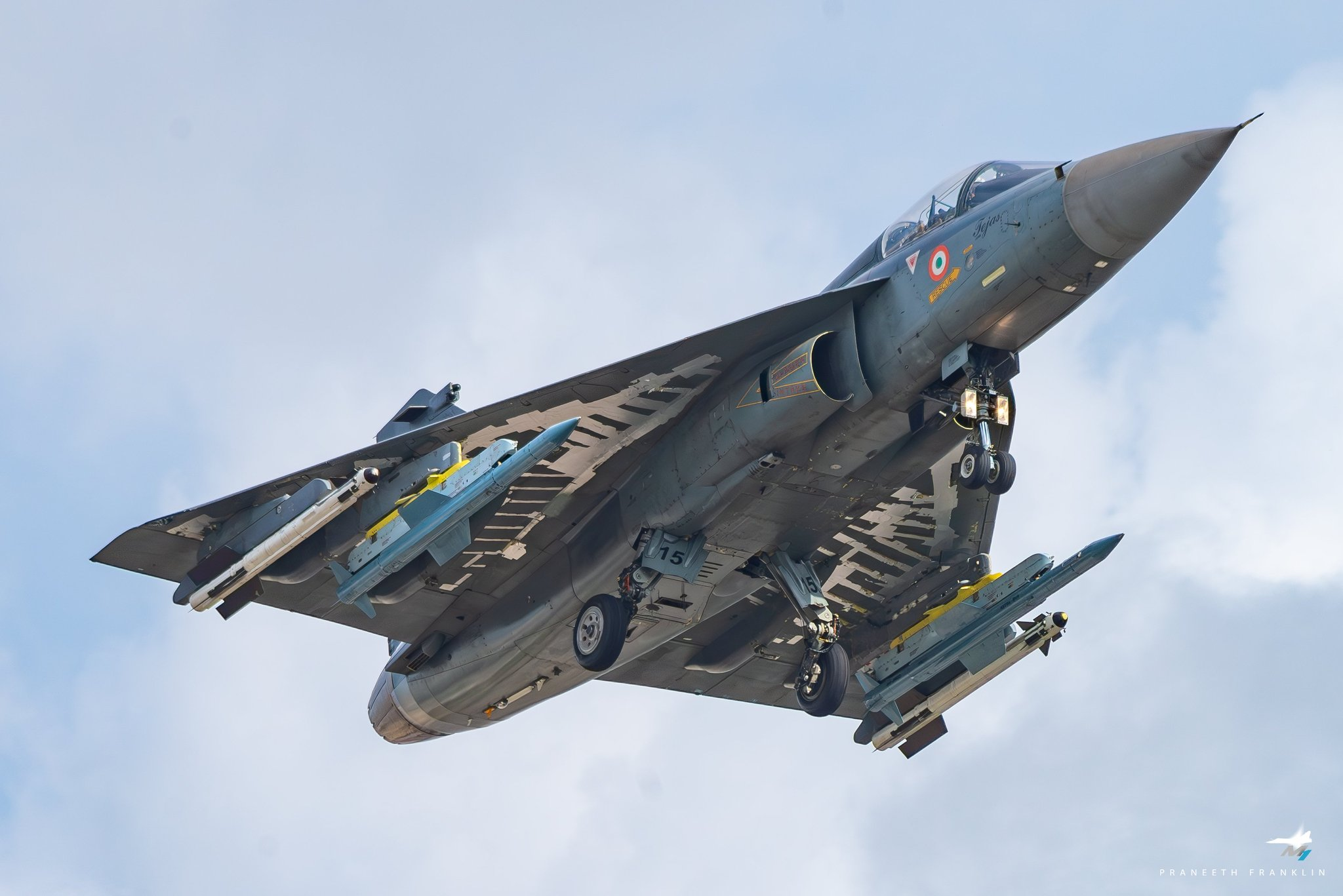
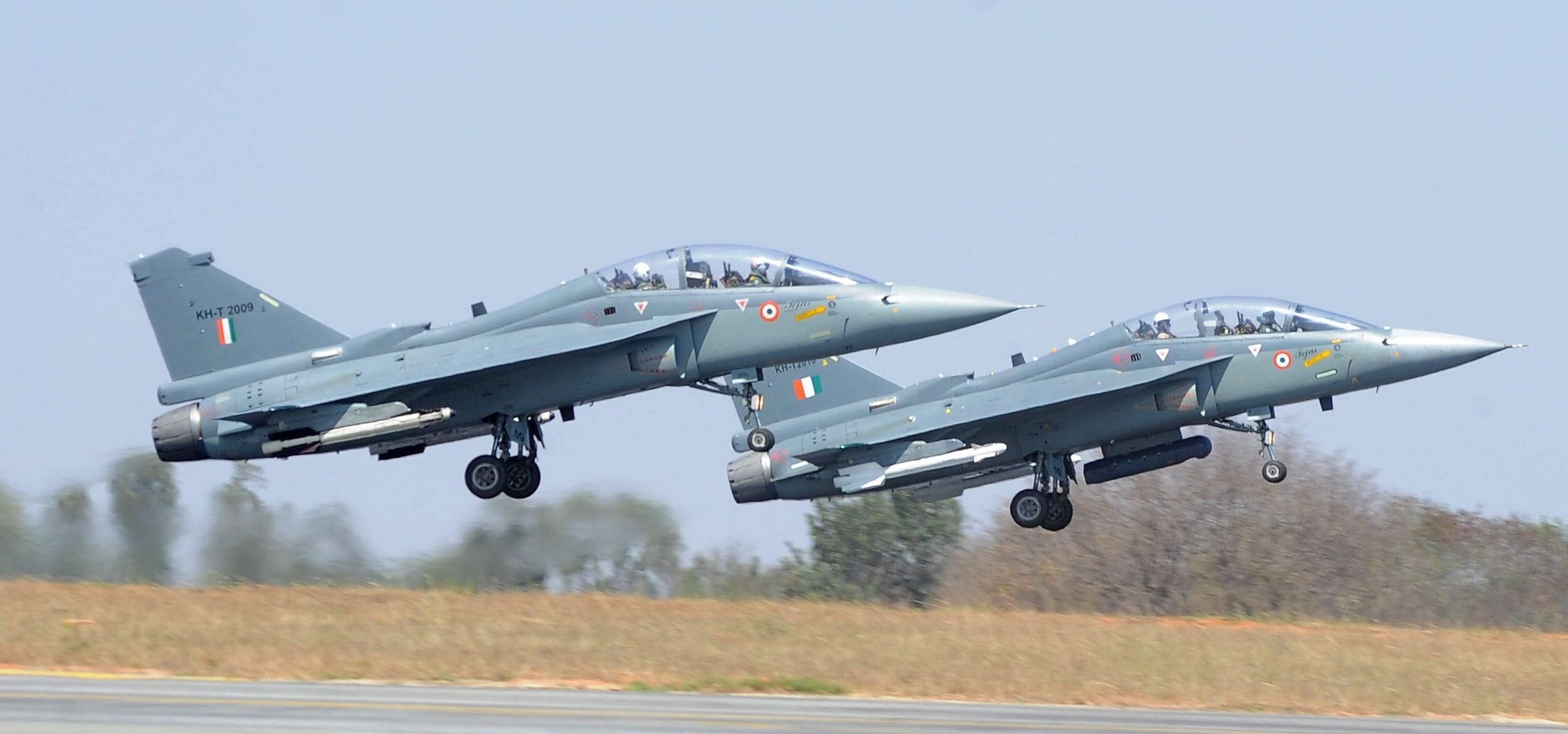
The Light Combat Aircraft (LCA) Tejas was never just another fighter jet. It was a statement of intent. Born in the aftermath of sanctions imposed after Pokhran-II, the programme symbolised India’s determination to achieve strategic autonomy despite global isolation. When a visibly delighted Prime Minister Atal Bihari Vajpayee named it Tejas ~ the radiance it captured the national mood.
Years later, another Prime Minister flew a sortie in the same aircraft, underlining how far India had come technologically, politically, and strategically. Few indigenous defence programmes anywhere in the world enjoy such continuity of political endorsement. By any objective measure, the LCA programme itself remains a national success story.
Yet, paradoxically, this very success has been overshadowed by an avoidable crisis, one that is no longer about technology, but about institutional failure and accountability.
From Pride to Public Disappointment
The contrast could not be starker. From Prime Ministers celebrating the aircraft, India now finds its Air Chief publicly expressing dissatisfaction, bluntly stating that flying the aircraft did not deliver the expected confidence “Mazza nahi aaya.”
Such remarks are unprecedented in their candour and should have triggered immediate introspection within Hindustan Aeronautics Limited (HAL). Instead, what followed was a defensive posture, press releases, explanations, and justifications rather than acceptance of responsibility.
This is not how a strategic aerospace organisation should respond when its primary customer, the Indian Air Force (IAF), signals a loss of confidence.
Delivery Delays: No Longer Justifiable
Global supply chain disruptions and complex technological integration challenges are real. They are acknowledged. The IAF itself understands them. However, understanding cannot become a permanent shield against accountability.
The LCA Mk1A delays have crossed that threshold.
Despite being given months if not years to resolve known hiccups, HAL has failed to meet committed delivery timelines. Worse, attempts to push incomplete aircraft onto the IAF under the guise of “later upgrades” cross an unacceptable line. For a combat air force facing real-world threats, inducting partially compliant fighters is not a minor compromise, it is an operational risk. We will induct and improve “tollgate” was crossed with Tejas Mk1, MK1A is expected to be a complete jet and order of 180 in two lot explains that.
At this stage, continued delays are not a technical problem. They are a management and execution failure.
HAL’s Leadership Problem: Time for Structural Reform
The crisis surrounding LCA Mk1A exposes a deeper issue within HAL: an organisation struggling with agility, decision-making speed, and proactive problem resolution.
India’s most critical aerospace manufacturer cannot afford:
- Slow internal approvals
- Risk-averse leadership
- Defensive communication instead of transparent accountability
HAL urgently needs a leadership overhaul, potentially including lateral induction from outside the traditional PSU ecosystem leaders who understand modern aerospace project management, global supply chains, and rapid issue escalation frameworks.
Without this reform, even future programmes like AMCA risk inheriting the same structural weaknesses.
Treating Indian Industry as Partners, Not Rivals
Equally concerning is HAL’s persistent preference for screwdriver-assembled imported subsystems, often Israeli, over maturing Indian solutions. While foreign systems have their place, the reflexive sidelining of Indian industry reflects a short-sighted mindset. Uttam from 21st unit to 41st and then from 84th unit is absolute cinema.
India’s private defence ecosystem is no longer immature. It has proven capabilities across avionics, structures, sensors, and mission systems. Treating domestic firms as adversaries rather than partners directly undermines the goal of Atmanirbhar Bharat.
The country’s most important aviation institution must lead integration not resist it.
Accountability Cannot Be Deferred Any Longer
The mess created around LCA Mk1A deliveries must be openly acknowledged, not papered over. Responsibility must be fixed not to scapegoat engineers, but to address systemic leadership and decision-making failures.
India has invested decades, billions, and immense strategic capital into the LCA programme. The aircraft deserves better stewardship. So does the Indian Air Force.
Save the Programme by Fixing the Institution
The LCA Tejas is not the failure. HAL’s current approach is.
India does not need to abandon indigenous programmes it needs to reform the institutions executing them. Accountability, leadership renewal, and genuine partnership with Indian industry are no longer optional. They are essential.
If HAL does not course-correct now, it risks turning one of India’s greatest aerospace achievements into a cautionary tale something the nation can ill afford at this critical juncture.
US company Ge delaying engines is the fault of HAL. How come. what kind of foolish article is this. Ge and Is is intentionally delaying the engine. Why some ullo k patte Indians are blaming Hal for that. Dont make defense deal with Usa. US also delayed Apache helicopter. But you don’t balle them. That also Hal should be banned
how long are we going to use GE engines as an excuse? 6 engines have been delivered and there is no progress. educate yourself before passing ignorant comments
This article can be as stupid as it can get without any real knowledge that DRDO and HAL can face. World over thd goverment spent Billions of dollars to design and develop a jet engine and in India they are literally asking for free. With no research or testing facility you expect a jet engine with no funds. And veg me what has the IAF guys done to help the cause, continuous design and requirement change. Our IAF guys are real jokers with no sense of there own. Give the GTRE 2 to 5 billion dollars and a 5 to 10 years time of free hand and see the magic they can deliver.
What India cannot spent $5 billion? Then just fuck off man and because dependent country forever.
where are your engine designers?To whome you will give the money?No use of money without brain for development. Billions of dollars won’t help unless you have got proper able engineers
Why accountability only HAL?
Why accountability not from government?
All projects dragging feet till problem knocking at door?
Everybody anti-national but why nationalists letting air force go down to 29 squadrons (actually even less as some are not full strength).
Rafale story going on from 2007 at least. Took two years to place order that too for two squadrons,full order takes another 10 years waiting. Could we not have ordered full 126 rafale earlier? Could we not have ordered more su-30 instead of letting line go idle and then restart for 12 Instead of buying scrap mirage and jaguar from all over the world.
Change defence minister 3 4 times. Force IAF to buy 2 squadron IOC Tejas to sit at Sulur. When development integration work not completed for desired operational capability aircraft then what was the rush to order? For headlines? Net result on ground zero.If more effort put to mature indigenous technology IAF could straight buy all Tejas mk2 which more useful longer term with uttam astra indigenous EW all integrated. In 400 number cost could also be lowered.
Don’t allocate infrastructure money to gtre but safran GE yes sir.. HAL useless DRAL best. Tapas chi chi Drishti wah wah.
Aatmanirbhar ya aatmaghati??
Yeh HAL bekar aur private lajawaab ka mantra jab koi padhaye toh ek baar MIC google kar lena. Aur ek sawaal poochha ki dr harinarayan dr arunachalam dr kalam ne kitne karod kamaaye?
When government owns more than 70% of HAL maybe they should own the responsibility also?
Ministers make bhashan all time but when taking responsibility sannata.
Jiski ungli pakad ke chalna seekho usi ke kan mein m***.
Jo khud ko defend na kar paaye usi pe hamla karao.
Jhoot waise bhi jyada din nahin tikta aur asli combat mein toh bilkul nahi. ya toh taiyaari hai ya nahin.
Balakot swift retort se bhi nahin seekhe. Us din 24 ke 24 paki plane shoot down hone chahiye the lekin bvr superiority pe thoda chook gaye r-37m aur r-77m tab bhi available the aur sindoor se pahle bhi.
dono baar outrange ho gaye options hote huye bhi.
Aatmanirbhar ya aatmaghati??
Jawabdari dhoondne bangalore ki jagah delhi jaayein aur utni himmat na ho toh lucknow mein to dhoond sakte hain.
note: Congress Bjp se koi matlab nahi agar policy kharab hai toh jimmedaar sarkar hai.
we never had any regard for HAL till 2013. But with the present Govt encouraging and infusing funds started believing with attractive stories and reviews by HAL. But Alas they have proved they are the pet child of Nehruvian ideology
This alphadefence.in article has not presented the right and Real-Story. Right long back in 60s there was an aircraft Gnat,and Marut who astonishingly super performed against the American Sabre-jet fighters in the “65 Indo-pak wars,and decisively defeated the Pak-army in both wars. Then there should have must bene Decisive-Govt.concern to grant develop those fighter-aircraft’s perfectly to the needs of the IAF. All but sadly this were not been done until Govt.run by Mr.Bajpayee who have granted developments in HAL to proceed for Tejas-fighter aircraft’s production. At that time HAL had the capacity of producing 11 aircrafts per/Annum. The most crucial needs were their engines that we have not still developed and most were dependent on foreign imports. That very moments of time needed the decision to import appropriate engines from France or Russia. And big crucial blunders were that Govt.India depending upon the US Gen.Electric company who delayed the supply to linger the Indians needs. Now me thinks all is quite clear where the Blunder-fault remained unsolved Till Now.
lca is only excellent comatose ever produced from other countries for INDIA. only combat aircraft manufactured with full scale contemporary advanced technology as required by Airfoce without single crash (except recent one still intimated crash not of technical snag).
and now india is posed for twin engine craft.
HAL is not capable because So much pending orders are there, Thats why they have not got ordered last week,My opinion is straight, you should fullfill the order first that also in time,if you are not completing then you should cancel their orders,If we want weapons, Aircrafts etc we should buy readymade from other countries why do much headache to HAL and also for government, HAL should close it permanently.