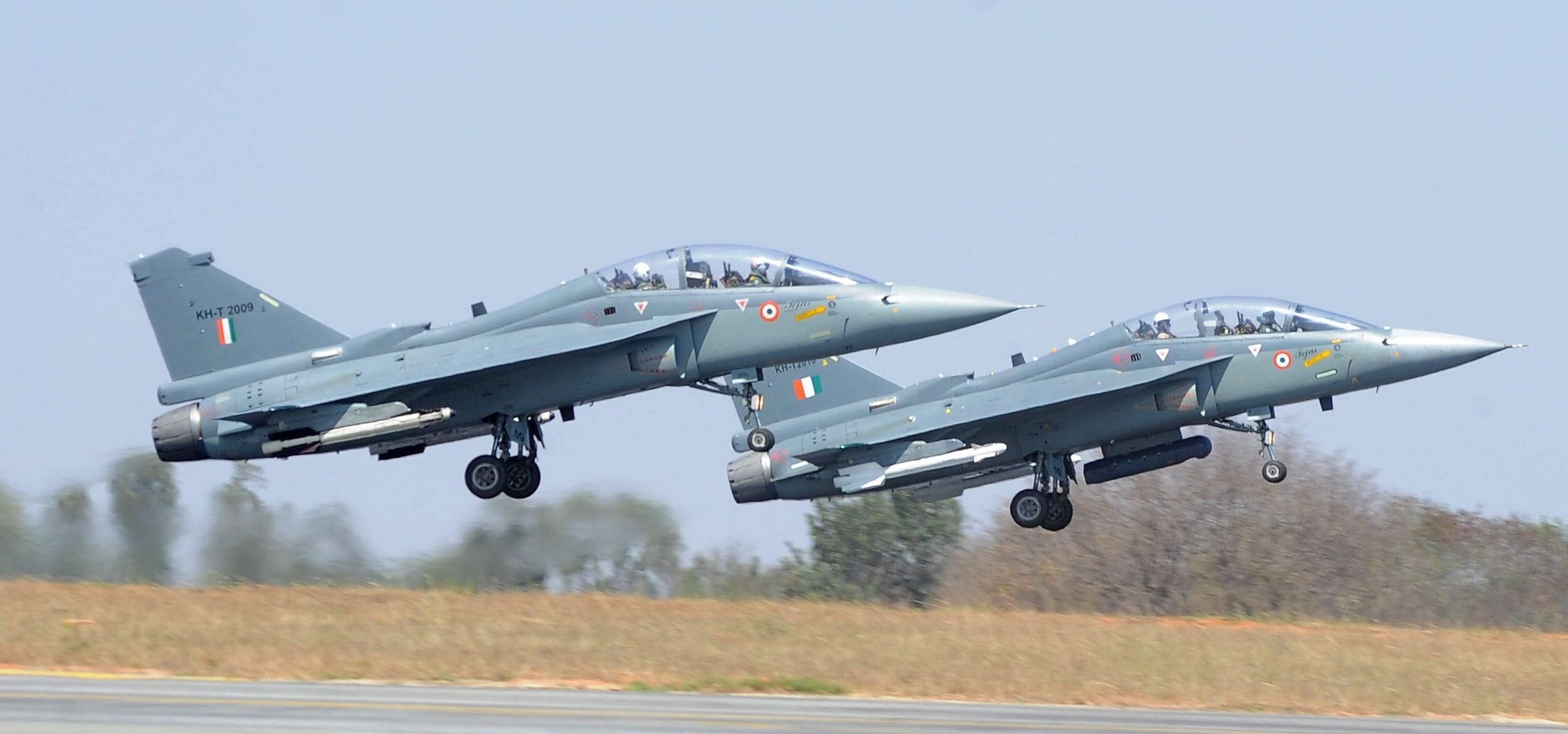
New Delhi, February 4, 2026 — The Indian Air Force (IAF) has decided to conduct a comprehensive review of the Light Combat Aircraft (LCA) Tejas Mark 1A programme in May 2026 before formally accepting deliveries of the jets, defence sources said. This review could result in further postponement of the aircraft’s induction into operational service.
The IAF has placed orders for 180 Mark 1A aircraft in two tranches to modernise its shrinking fighter fleet and replace older platforms such as the MiG-21. However, deliveries that were expected earlier have been repeatedly postponed due to unresolved certification, integration and operational readiness issues, particularly around final testing and acceptance procedures.
What’s Happening with Tejas Mark 1A Deliveries?
- HAL officials state that five LCA Mark 1A jets are ready with major systems including AESA radar, electronic warfare suite and weapons already integrated.
- The review’s timing suggests the IAF wants to ensure that all operational parameters and Staff Qualitative Requirements (SQRs) are fully met before signing off on handovers.
- Supply-chain issues, notably the delivery of General Electric F404 engines and the cascading impact on aircraft completion, have been a recurring problem.
According to independent reports, HAL currently has more airframes in advanced stages of readiness and expects around 20 aircraft by the end of 2026 but acceptance remains contingent on passing the IAF’s review.
Why This Matters for India’s Air Power
The Tejas Mark 1A is envisaged as a backbone of India’s indigenous fighter fleet, and any delays affect not just squadron strength but also strategic capability. The IAF has already expressed concerns about its squadron numbers falling below authorised levels, heightening pressure on timely inductions.
However, delivery delays cannot be ascribed solely to HAL complex certification processes, stringent operational criteria, and major dependencies on foreign suppliers like GE for engines have all contributed to the slow rollout.
Analysis & Commentary
1. HAL Needs Greater Accountability
The repeated postponements of Tejas Mark 1A deliveries highlight systemic issues in India’s defence manufacturing ecosystem particularly within Hindustan Aeronautics Limited (HAL). While many delays stem from external factors like engine supply, HAL’s project management, accountability structures, and production oversight must be strengthened. HAL, as the principal manufacturer of India’s indigenous fighters, must ensure greater transparency, firm adherence to timelines, and proactive risk mitigation especially for crucial defence programmes where delays have direct operational impacts on national security.
Improved accountability will build confidence between the IAF and industry partners and elevate India’s aerospace delivery credibility globally.
2. Excluding HAL from AMCA Effort Appears Justified
The recent review of the Advanced Medium Combat Aircraft (AMCA) programme saw considerations to involve private sector partners and industry consortia, reducing HAL’s role as sole integrator, a strategic shift that seems increasingly justified.
Given HAL’s delivery performance challenges in programmes like the LCA Mark 1A and HTT-40, diversifying development partners especially by harnessing private aerospace capabilities could accelerate next-generation fighter projects. A broader industry ecosystem with competitive performance incentives might drive better outcomes, reduce bottlenecks, and bring fresh expertise and agility to critical defence manufacturing.
Looking Ahead
The results of the IAF’s May 2026 review will be a significant milestone for the Tejas Mark 1A. A clear delivery schedule, full operational certification and transparent accountability mechanisms will be essential to re-establish confidence in the programme.
At the same time, strategic decisions on future indigenous platforms like the AMCA including production partners and accountability frameworks will shape India’s aerospace capability and its global defence industrial footprint in the decades ahead.
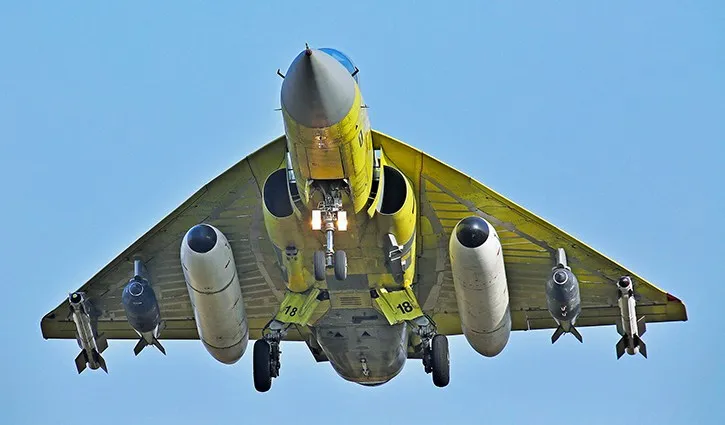
instead of Tejas MklA, riddled with GE404 engine problem, it may be better to concentrate and expedite Tejas Mk2 with 414 engine which is more readily available, powerful and commonly used all over the world so that the obsolete 404 usage gets limited
The following queries need to be answered by HAL before handing over the first Tejas Mk1A.
1. Has the Lightning Test been conveyed on any one complete aircraft.
2. Has the engine R/I time been checked and is it within 45 minutes.
3. Has full 50 psi pressure refuelling been achieved during TRS on a 3 drop tank configuration.
4. How many landings are the tyres been cleared for? Minimum 70 landings?
5. What is the DFCC R/I time and can it be done in 10 minutes? Does it require a GSE?
6. Do the batteries R/I require a GSE?
7. What is the time taken to transfer an engine from AN 32 to the mk 1A on a detachment?
8. What is the Op TRS time for sameand changed configuration including gun loading?
9. Is the CEP less than 50 m for A2G weapons?
10. What is the design MTBF, MTTR and MMH/FH FOR Mk1A?.
Do you mean so far none of it is tested? or it is just that you are not aware of the tests?
Surprising the IAF does not know the status of one of its most important procurement or has NFTC failed to communicate with Air HQ Delhi??