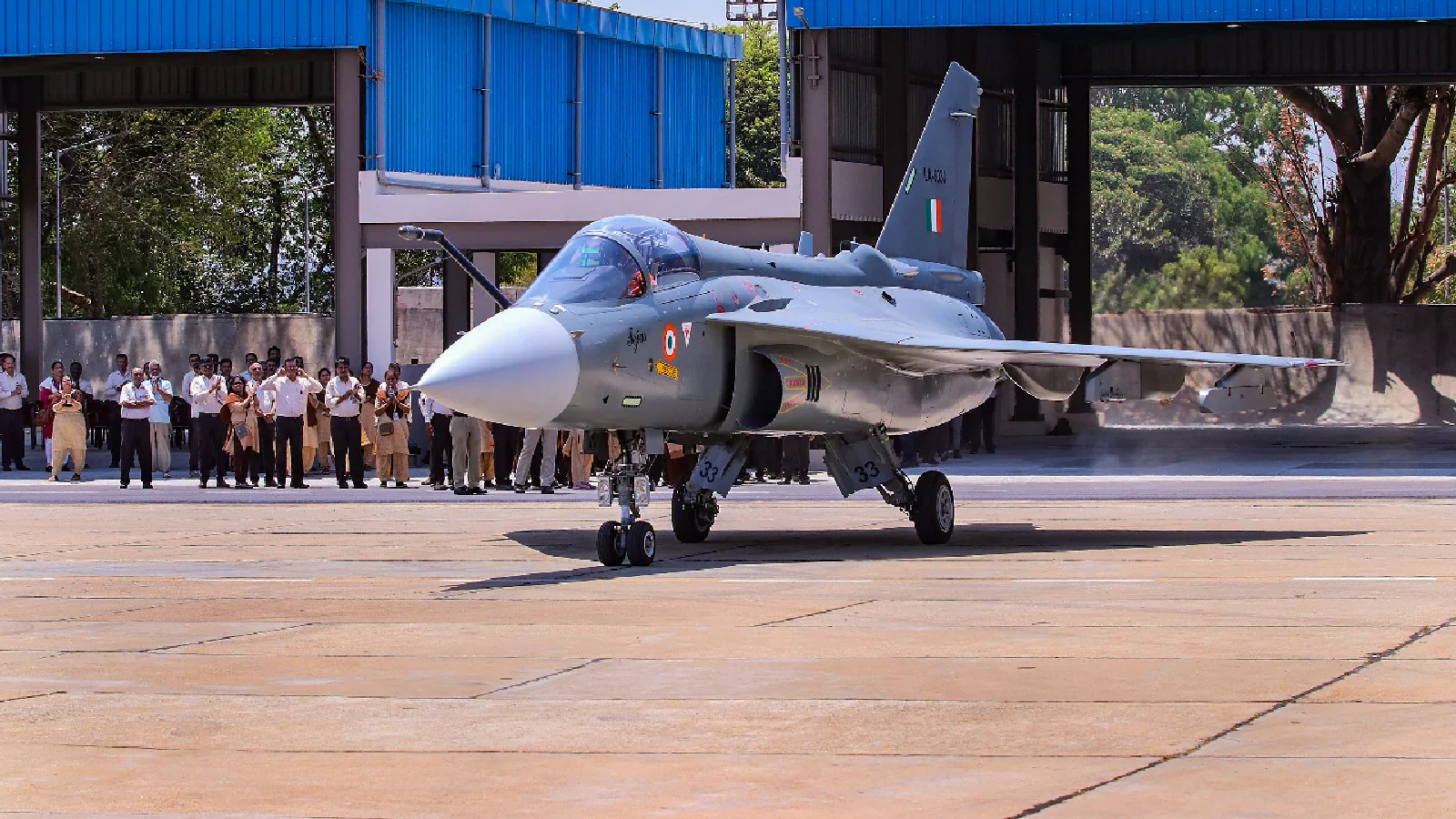
The Light Combat Aircraft (LCA) Tejas is often described as just another fighter aircraft programme. That framing is incomplete. The LCA is not yet merely a jet, it is India’s long-delayed effort to reclaim an aeronautical legacy that was abruptly cut short after the HF‑24 Marut era under Dr Kurt Tank. The ecosystem that could have evolved in India during the 1960s never fully matured due to policy constraints, technological isolation, and inconsistent political backing.
Today, with two squadrons of LCA Mk1 already deployed and nearly 180 aircraft on order, the programme finally promises a future where India moves closer to Atmanirbharta in combat aviation. On paper, LCA represents sovereignty, learning-by-doing, and industrial continuity. In spirit, it is supposed to correct a historical wrong.
Yet, that very spirit is now under question.
From Atmanirbhar to Israel Nirbhar LCA?
The LCA Mk1A was meant to be the true success story of India’s self-reliance lighter, smarter, more lethal, and more Indian. Instead, it is increasingly being perceived as an Israel Nirbhar LCA.
The Mk1A configuration currently relies on an Israeli-origin radar and an Israeli electronic warfare (EW) suite. This choice is puzzling, especially when India’s own systems are no longer developmental experiments but deployment-ready solutions.
- Uttam AESA radar has matured through extensive testing and needs no introduction within the global AESA ecosystem.
- Swayam Raksha Kavach, India’s indigenous EW suite, is already cleared for operational deployment.
Despite this, the Mk1A projected as the flagship of Indian self-reliance continues to integrate foreign mission-critical systems. This is where the narrative begins to shift from Atmanirbhar LCA to Israel Nirbhar LCA.
Why Indigenous Radar and EW Matter
Radar and electronic warfare systems are not plug‑and‑play components. They define how an aircraft senses, survives, and fights.
Indian-developed radar and EW suites offer three decisive advantages:
- Seamless integration with Indian weapons, sensors, and datalinks
- Open architecture, enabling future upgrades without foreign approval
- Full source code access, allowing the Indian Air Force (IAF) and Indian industry to modify, customise, and innovate independently
With indigenous systems, India controls the aircraft’s combat philosophy. With imported black‑box solutions, India merely operates it.
In modern air warfare, control over software and source code is control over capability. That control is precisely what an Atmanirbhar platform is supposed to guarantee.
Missed Opportunity During Delays
The LCA Mk1A programme faced unavoidable setbacks most notably engine delivery delays and missile test failures. Such delays, while operationally inconvenient, also offer a strategic opportunity.
This pause could have been used to:
- Fully transition to Uttam AESA
- Operationalise Swayam Raksha Kavach on Mk1A
- Further refine sensor fusion and electronic attack capabilities
Instead, the focus appears to have shifted towards accelerating integration of Israeli systems, reinforcing the Israel Nirbhar LCA rather than a smarter, deadlier, and more Indian Mk1A.
Strategic Context: Israel’s War and India as a Manufacturing Hub
Israel is currently engaged in a prolonged conflict and is actively seeking alternate manufacturing and supply hubs. India, with its scale and strategic alignment, naturally becomes attractive. In that environment, HAL is betting on Israel Nirbhar supply chain and call it as Atma Nirbharta then this pure betrayal of spirit of Atmanirbharta.
Turning an Atmanirbhar platform into an Israel-dependent one during such a geopolitical moment is not just ironic; it is strategically questionable. Dependency shifts do not disappear they merely change direction.
So the question must be asked plainly:
Why this push towards Israeli dependency when Indian systems are available, tested, and operational? Who is pushing this ? Who is incharge of LCA Mk1A decisions ?
Even the MoD Is Asking Questions
This concern is not limited to analysts or observers. During the Republic Day press briefing, the Ministry of Defence reportedly raised a pointed question:
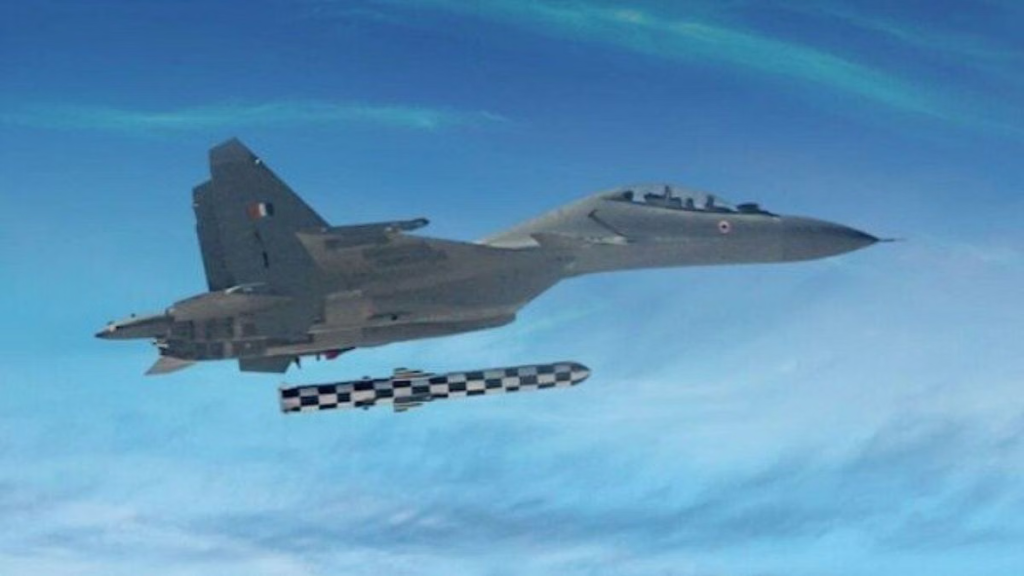
Why does the Su‑30MKI have higher indigenous content than the LCA Mk1A?
That question cuts deep.
The Su‑30MKI is a foreign-origin platform adapted for India. The LCA is India’s own aircraft. If the former ends up being more indigenous than the latter, something in the acquisition and integration philosophy has clearly gone wrong.
Course Correction Is Still Possible
The LCA programme is too important to be reduced to a procurement convenience. It is about rebuilding lost capability, retaining design talent, and ensuring that India controls the core technologies of air combat.
The choice before HAL and policymakers is clear:
- Either allow LCA Mk1A to evolve into an Israel Nirbhar LCA, or
- Realign the programme with its original promise of Atmanirbharta
Indigenous radar and EW integration is not a risk anymore, it is an inevitability. The only real question is how long India delays trusting its own systems.
History already shows what hesitation cost India after the HF‑24 era. Repeating that mistake in the LCA era would be far harder to justify.
No countries weapons systems are entirely made domestically. Advanced stems requires thousands of parts, and complex systems.
uttam radar is it fully operational in all modes? can it launch weapons…..HAL had problems with MMR where lrde was supposed to make some sub systems which were critical and LRDE didn’t make it..putting HAL in confusion. LM2052 is a matured radar with weapons integration.lcamk1a is already delayed due to engine issue ..HAL can not use an unproven RADAF from drdo.
uttam radar is it fully operational in all modes? can it launch weapons…..HAL had problems with MMR where lrde was supposed to make some sub systems which were critical and LRDE didn’t make it..putting HAL in confusion. LM2052 is a matured radar with weapons integration.lcamk1a is already delayed due to engine issue ..HAL can not use an unproven RADAF from drdo.
No countries weapons systems are entirely produced domestically. Advanced stems requires thousands of parts, and complex systems.
Absolutely right even USA, China, Russia and Europeans depend on each other for developing their systems. Writer here is unnecessarily dragging Israel into this. what about the engine.
This article undermines our LCA Tejas Mk1 Program right since it’s evolution. No country can boast of 100% indigenous programme in high tech weaponry. Tejas is still evolving and Indigenous Uttam Radar is not yet battle tested whereas Israeli Radars and EW Systems are battle proven. Hence we must give time for the Tejas program to mature . HAL has slipped in timelines but not all the blame can be attributed to it alone .
Sir, while no country is 100% indigenous, the issue isn’t indigenization—it’s integration strategy.
We’ve seen the Mk1A face delays specifically because the Israeli radar software acts as a ‘black box,’ slowing down the Astra missile integration. If HAL had used the 2-year GE engine delay to run a parallel ‘All-Indian’ test track (Uttam + Astra + indigenous EW), we wouldn’t be in a position where we are waiting for foreign authorization to fire our own missiles.
By treating the Uttam as a ‘future upgrade’ rather than a ‘current priority,’ HAL has essentially signed us up for a second round of teething issues when the Mk2 arrives. That’s not a technical hurdle; that’s a project management failure or a huge Blunder I dare say.
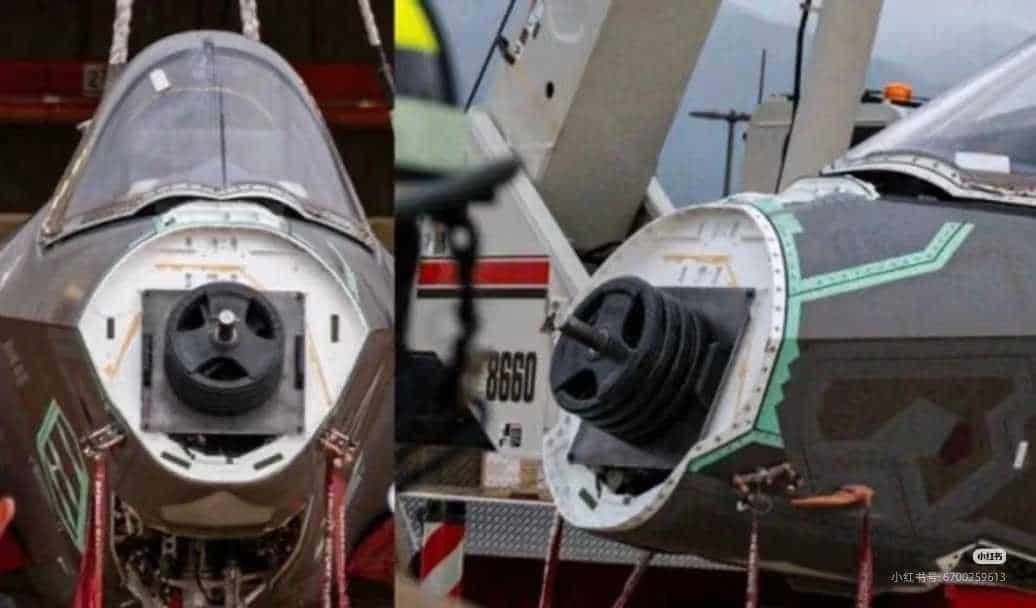
As for your point about being “battle tested”, once even F-35 was unproven, so was our Pinaka and Akash system!
This post conveniently discounts the fact that later LCA mk1a’s are going to be fitted with Uttam and srk ew suits.
I am pretty sure the author knows this but the compelling need to put out an article to maintain continuity of feed and content must be the reason for the half baked story.
you hit at the tip of the nail sir.
with GE engines on Tejas, we might have to give access to Software and hardware as this is flyby wire system. so it makes sense to use Israeli EW and radar suite to keep the US from snooping into our Software and hardware suite. SU engines are also manufactured under license so till we have an engine Tejas will not get our Software and radar suite.