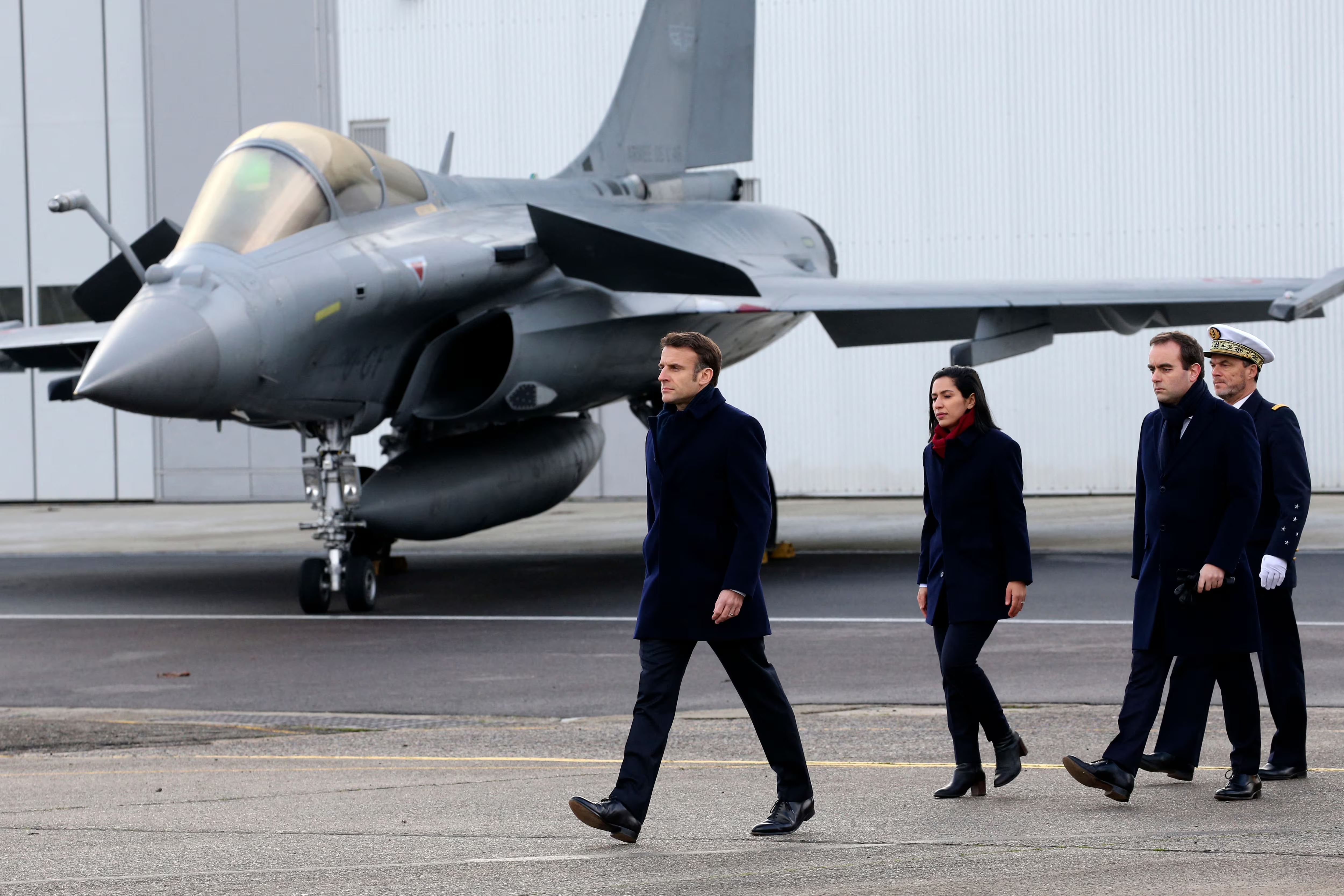
The MRFA Deal has reached a decisive stage after years of uncertainty and delay. The Defence Procurement Board has reportedly approved the acquisition of 114 Rafale fighters for India. With the French President’s visit scheduled next month, political momentum now appears aligned. This development suggests the Indian Air Force will finally close a process that has dragged on for decades. However, closure does not automatically imply strategic wisdom. The MRFA Deal now deserves critical scrutiny rather than celebratory acceptance in terms of what India gets at this cost.
MRFA Deal and Rafale: From “If Rafale” to “With Rafale” at a Heavy Cost
For years, public debate revolved around whether India should select Rafale under the MRFA Deal. That debate has effectively ended with institutional approval. The discussion must now shift toward consequences rather than choices. Once committed, the deal becomes irreversible in practical terms. Therefore, the real question concerns what India truly gains in return.
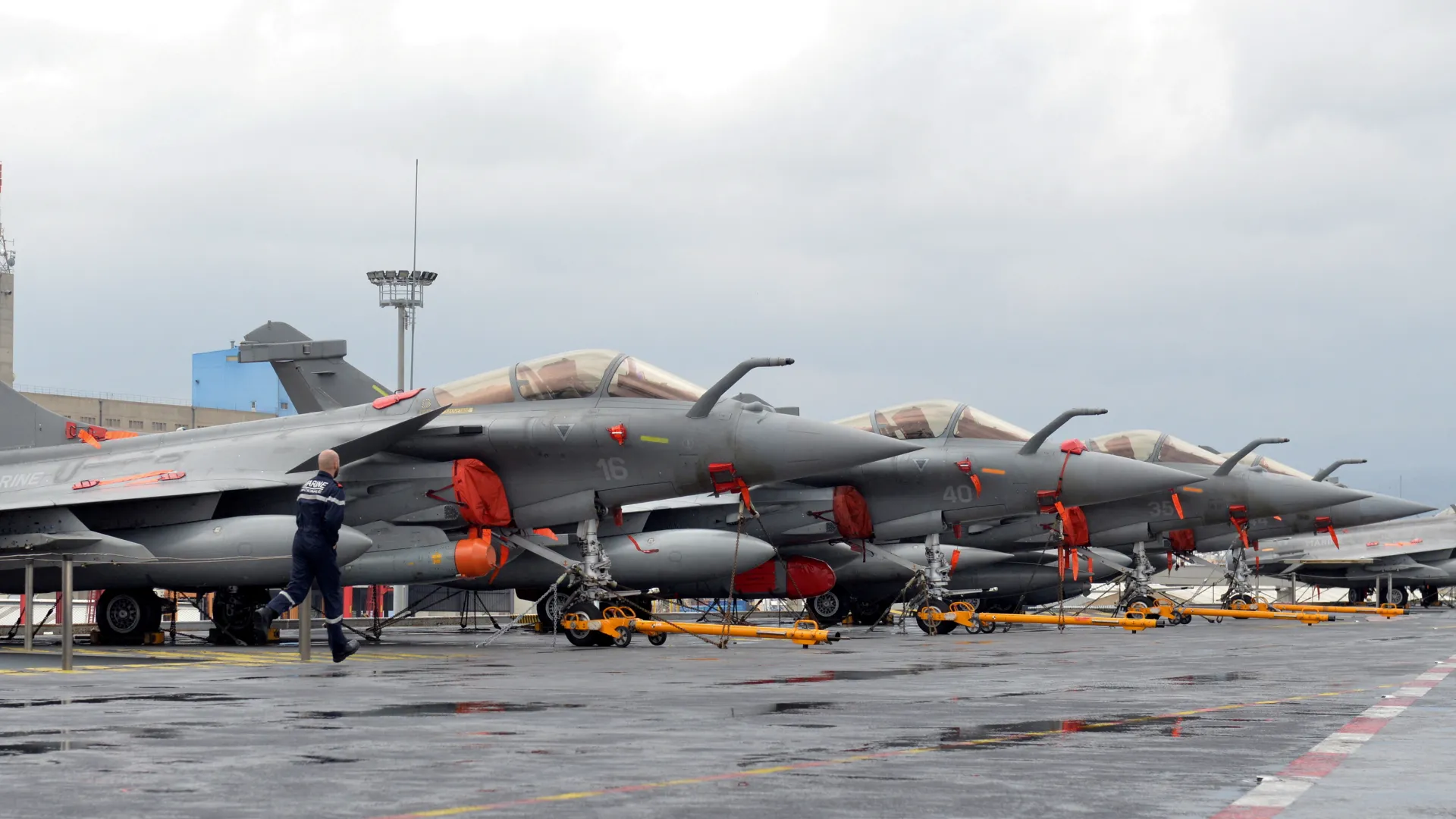
The Rafale already serves within the Indian Air Force through an earlier limited induction. That experience confirms the aircraft’s competence in combat roles. However, competence alone does not justify scale. The MRFA Deal moves Rafale from a stopgap solution to a dominant fleet component. This shift locks India into long term financial and operational dependence.
MRFA Deal Economics: Paying Premium Prices for Contemporary Capability
Cost remains the most unavoidable aspect of the MRFA Deal. Independent estimates place the 114 aircraft package above 35 billion euros. With inflation and extended negotiations, this figure will inevitably rise further. Such expenditure demands exceptional strategic returns. Unfortunately, the capability offered largely reflects what modern adversaries already field today.
France has proposed a future F5 upgrade beyond 2035. This upgrade includes gallium nitride based electronic warfare systems. Gallium nitride enables higher power and efficiency in radars and jammers. The package also includes a modern active electronically scanned array radar. China’s J-20 already operates similar systems today. India will therefore pay now and pay again later merely to remain technologically current in todays terms targeted for 2035 & beyond.
MRFA Deal Technology Transfer: Numbers Without Depth
Reports frequently claim India will receive 50 to 60 percent technology transfer under the MRFA Deal. At first glance, this sounds transformative. However, deeper examination reveals a far narrower reality. Airframe manufacturing forms a large portion of this percentage. Tata already produces Rafale structural components in India.
Airframe production involves assembly rather than design authority. Critical knowledge lies in materials science, aerodynamics, and systems integration. One missing element remains advanced wing design technology. Larsen and Toubro received this capability during the LCA programme. That expertise does not transfer through Rafale. Consequently, technology transfer claims appear inflated when measured against strategic self reliance.
MRFA Deal and Weapons Integration: Sovereignty Remains Elusive
Proponents argue that India can integrate indigenous weapons and sensors onto Rafale. This claim requires careful clarification. Weapons integration follows a defined sequence. The armed service raises a requirement first. DRDO develops the weapon next. The aircraft manufacturer then performs software and hardware integration.
The Su-30MKI illustrates true integration sovereignty. India controls its mission computer on that aircraft. A mission computer functions as the aircraft’s digital brain. This control allows India to integrate systems like BrahMos and Astra independently. Rafale does not offer similar access.
Under the MRFA Deal, the manufacturer retains control over core software. India must supply full weapon data, interfaces, and software packages. The manufacturer then integrates these systems for a substantial fee. This arrangement applies to all imported aircraft globally. Mirage 2000 upgrades followed the same path. Those upgrades imposed extremely high costs on India with limited flexibility.
MRFA Deal Promises Versus Delivery: Experience Demands Skepticism
Defence procurement often separates promises from delivery timelines. Suppliers commit generously during negotiations. Actual delivery frequently lags behind payments. The Meteor missile integration experience illustrates this gap clearly. India paid early but waited years for full operational capability. Some promised systems remain unavailable even today. (CAG report brushed under the carpet – More on that in next article).
Under the MRFA Deal, every future enhancement carries additional cost. Payment remains immediate while delivery stays negotiable. This structural imbalance favours the supplier consistently. India must therefore assess promises as commercial commitments rather than strategic assurances.
MRFA Deal Solves Numbers (?) but Deepens Dependence
The MRFA Deal finally resolves or may be not ? The deliveries will start in 2033 and beyond a long running acquisition process for the Indian Air Force. It doesn’t addresses short term squadron shortages with a capable aircraft. Also, it does so at enormous financial cost. Technology transfer remains shallow and focused on airframes. Weapons integration sovereignty stays restricted. Future upgrades demand repeated investment. As a result, Rafale strengthens operational readiness today (that comes in 2033) while deepening dependence tomorrow. The MRFA Deal closes a procurement chapter but postpones true strategic autonomy.
we have incompetent leaders