
As India approaches 2026, defence aviation faces a decisive moment shaped by unresolved structural weaknesses. One central question now dominates strategic planning. What should stand as India’s single most important defence aviation priority, and why does the Indian Jet Engine sit at its core? More importantly, how much progress exists today, and what remains realistically achievable within the next few years?
Indian Jet Engine and Defence Aviation Setbacks in 2025
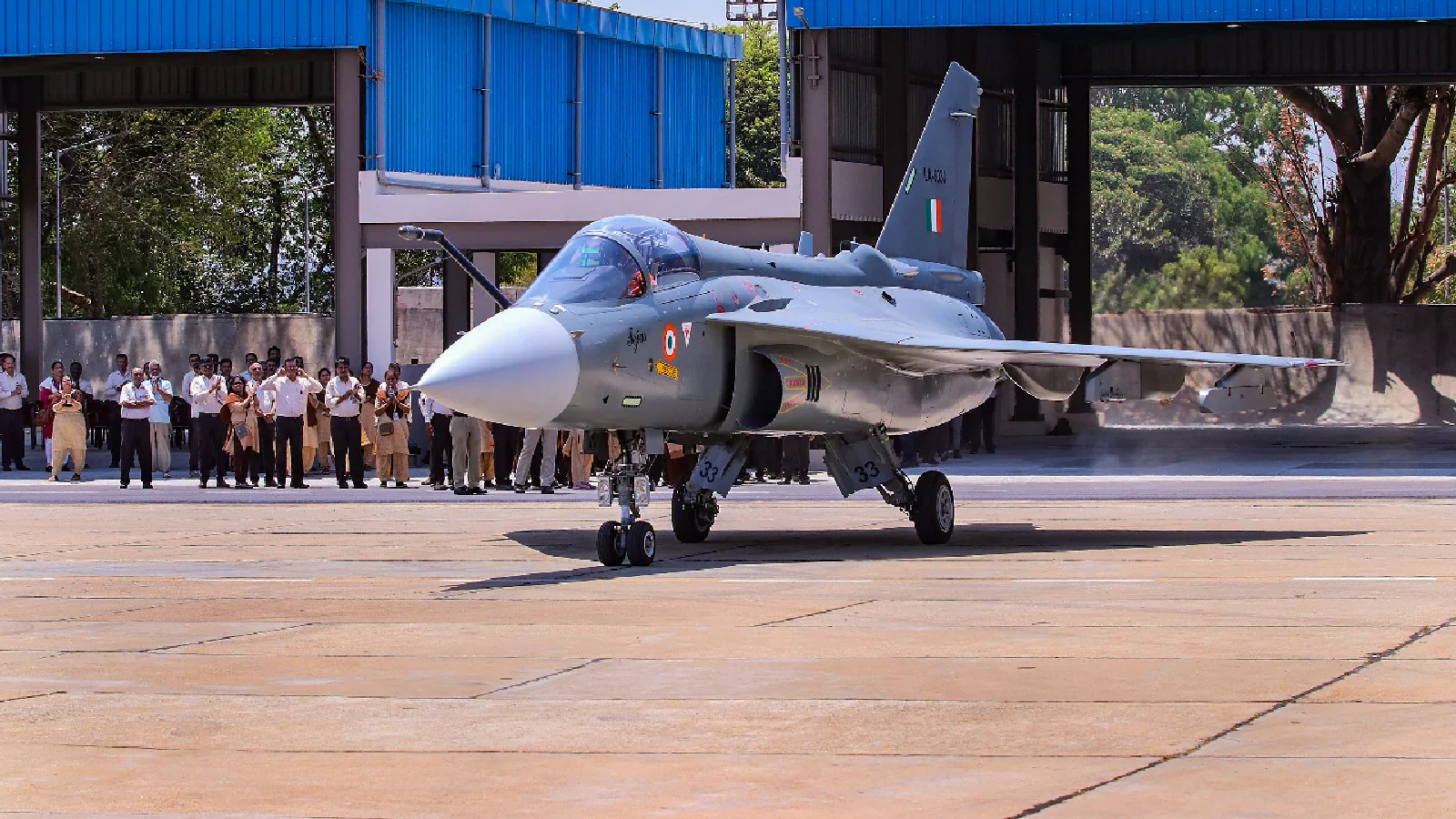
To understand the urgency, one must first examine developments during 2025 with objectivity. Defence aviation absorbed the heaviest pushback compared to other military sectors. Engine availability emerged as the primary bottleneck affecting multiple programs simultaneously. Initially, engines for the LCA Mk1 failed to arrive on schedule, disrupting aircraft deliveries. Although authorities later resolved supply issues, accumulated delays distorted the entire production timeline. Meanwhile, HTT aircraft programs encountered similar difficulties, where interim Category-B engines replaced originally intended configurations.
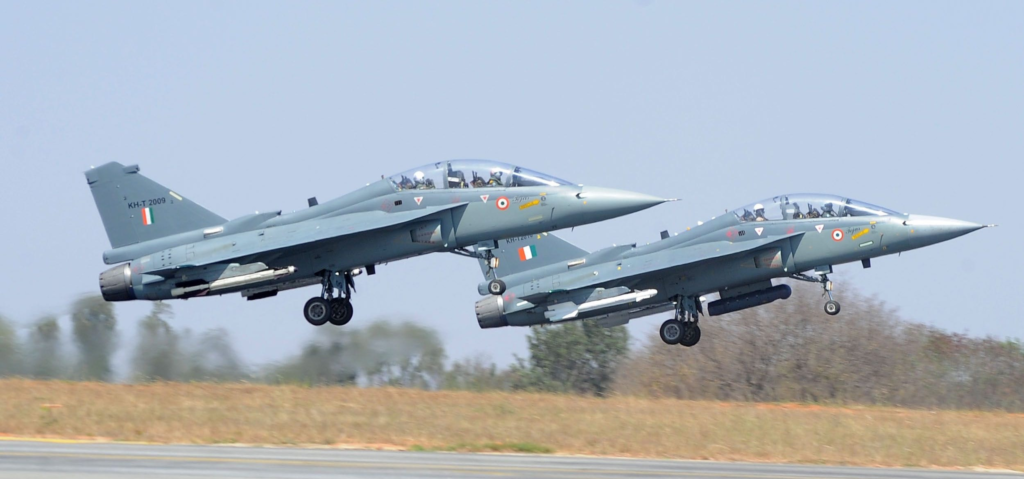
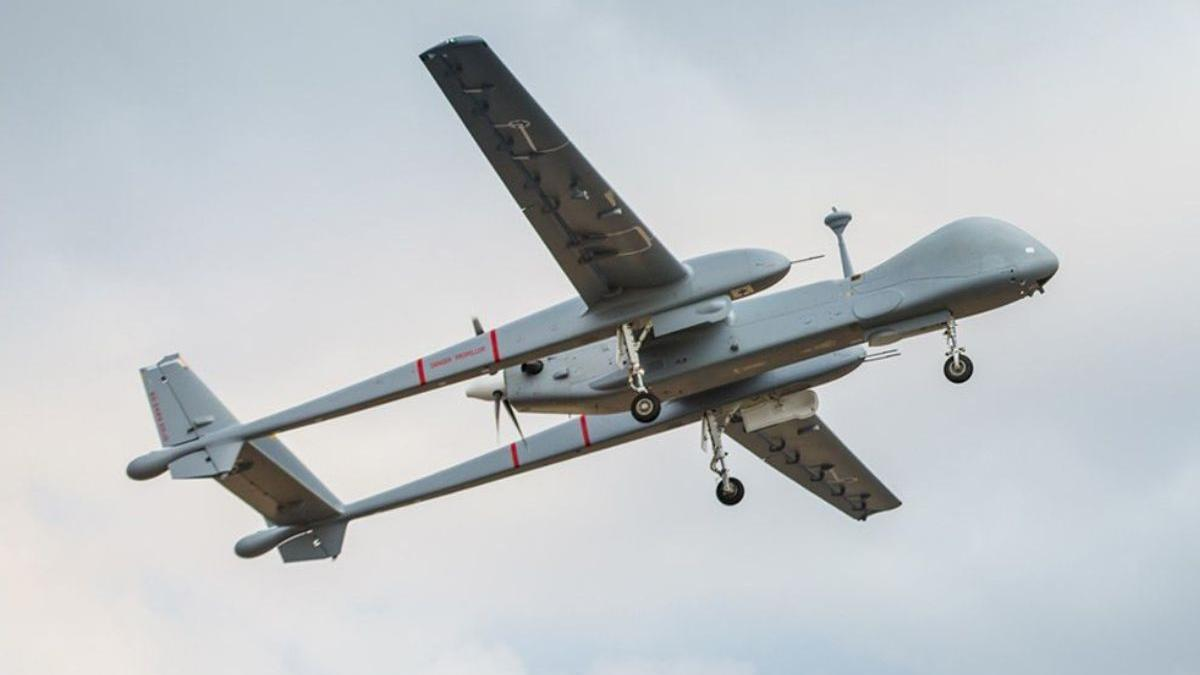
This pattern does not represent an isolated incident. India has faced comparable compromises across platforms over several decades. The Zorawar light tank program experienced parallel constraints in powerplant integration. The Arjun Mk1A continues to confront similar challenges. Moreover, the same vulnerability now extends into UAV, and UCAV segments. In each case, engine dependency directly limits operational readiness, scalability, and long-term planning.
Why the Indian Jet Engine Demands an Integrated Development Program
These repeated setbacks highlight a structural issue rather than execution failure alone. India continues to fund engine programs in fragmented, platform-specific ways. Consequently, resources dilute across projects without generating core technological depth. Therefore, India must urgently adopt an Integrated Engine Development Program focused on long-term capability creation. Such an approach would centralise funding, testing infrastructure, and industrial participation.
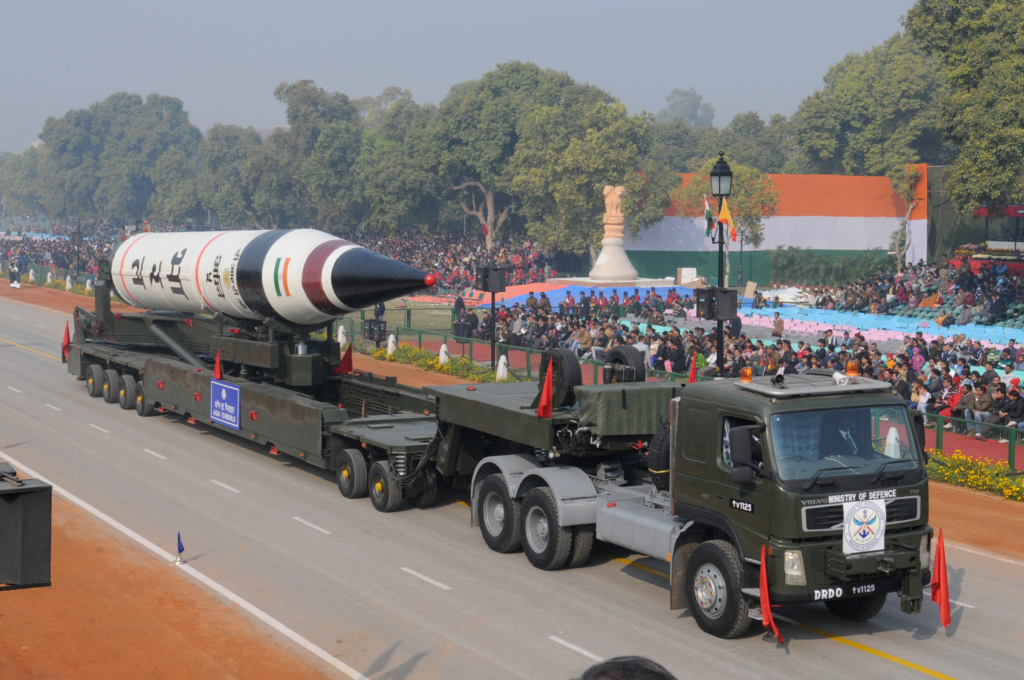
India already demonstrates the effectiveness of this model elsewhere. The Integrated Guided Missile Development Program transformed India’s missile capabilities. Through unified leadership and sustained funding, India now designs, tests, and deploys advanced missile systems independently. This success did not emerge from isolated projects but from a coherent national framework. Applying the same philosophy to the Indian Jet Engine domain can eliminate the most persistent aviation weakness.
Core Indian Jet Engine Categories India Must Prioritise
India’s aviation ecosystem requires clarity about priorities before execution. The country must focus on two core engine categories to achieve strategic autonomy. The first category includes turbofan engines for fighter aircrafts. The second category includes turboshaft engines for helicopters.
Without mastery over these two categories, India will continue to rely on external suppliers. This dependency restricts design freedom and exposes programs to geopolitical risk. Therefore, prioritisation must remain disciplined and outcome-oriented.
Turboshaft Engines: Progress Accompanied by Dependency
India has achieved notable progress in turboshaft engine development over the past decade. The Shakti engine stands as a major milestone within this category. It powers frontline helicopters and has demonstrated reliability across diverse operating conditions. However, Shakti relies significantly on French-origin technology and intellectual property. This reliance limits India’s strategic autonomy despite operational success.
Ironically, stable foreign supply chains often mask long-term risks. While availability remains assured today, future indigenous demand could exceed current arrangements. Therefore, India must expand domestic design ownership gradually. Meanwhile, the Aravalli engine for the Indian Multi-Role Helicopter represents a critical opportunity. This program requires consistent funding, testing support, and policy continuity to succeed.
Turbofan Engines: Kaveri, High Thrust, and the Road Ahead
In turbofan development, India has progressed further than public perception suggests. The country already produces AL31 engines domestically for Su30 MKI applications. Moreover, the Kaveri aero engine has successfully generated around ~73 kilonewtons of thrust during testing.
Engineers continue modifying Kaveri into newer variants tailored for unmanned platforms. Currently, India awaits sufficient testing slots to validate these upgrades fully. However, fighter aircraft require higher thrust engines to support heavy payloads and advanced manoeuvres. This requirement defines the third critical category. India’s primary focus here remains the Safran-assisted high-thrust engine initiative. Although negotiations remain incomplete, the strategic objective remains well defined. Technology developed through this collaboration will cascade into multiple future platforms.
Platform Integration and Interim Dependence
Clarity already exists regarding platform integration pathways. The Kaveri engine will power the Ghatak UCAV, enabling autonomous strike capability. The Safran-linked high-thrust engine will support the AMCA Mk2 fighter. Until these engines mature operationally, India will continue importing F404 and F414 engines. This reliance reflects pragmatic acceptance of current industrial realities rather than strategic failure.
However, continued imports also underline the cost of delay. Each postponed indigenous milestone extends dependency cycles. Therefore, timelines must remain realistic yet non-negotiable.
Turboprop Opportunities Using Existing Engine Cores
Beyond jets and helicopters, India also holds significant opportunity in turboprop engines. A turboprop uses engine power to drive a propeller, making it efficient for transport and training aircraft. India can derive such engines using existing turboshaft cores. Shakti and HTSE-class engines can support HTT and Dornier-class aircraft effectively. Meanwhile, the more powerful Aravalli engine can serve heavier five-ton class platforms.
Additionally, four-engine configurations can meet medium transport requirements without foreign dependence. Recent DRDO UAV initiatives could also adopt Shakti-derived or HTFE-derived engines. This approach maximises technology reuse while reducing development timelines.
Why Budget 2026 Must Prioritise the Indian Jet Engine
If India intends to lead in defence aviation, execution cannot wait beyond 2026. Engine programs must transition from discussion to delivery with measurable milestones. The Indian Jet Engine represents not a single project but a national capability gap. The upcoming defence budget must formally recognise and fund an integrated engine development strategy. Only sustained commitment can break the cycle of recurring aviation delays. Strategic autonomy in the air ultimately begins with control over propulsion on the ground.

congratulations 🎉🎉🎉
Looking for quick and trusted Money For Gold services? We are reliable Gold Buyers in Lajpat Nagar offering transparent testing, best market rates, and instant cash. We also operate as professional Silver Buyers in Gurgaon, ensuring fair valuation and hassle-free transactions. Visit us for secure, legal, and customer-friendly gold and silver selling experience with complete satisfaction guaranteed, by certified experts with honest pricing, fast service, and doorstep support available today.
Restrobar Kitchens is a trusted Commercial Kitchen Equipment Manufacturer in Delhi, delivering high-quality, durable, and efficient kitchen solutions. With a strong focus on innovation and hygiene, they design equipment that meets modern restaurant and hotel needs. Their reliable products, professional service, and customized solutions make them a preferred choice for commercial kitchens across the foodservice industry.