According to a recent SEBI disclosure, the Ministry of Defence placed an order worth nearly ₹300 crore for the Indian Army because Indian regulations mandate transparent reporting. This disclosure allows analysts to track capability trends and industrial participation with greater clarity. Consequently, this order immediately attracted attention due to its long-range strike implications. The contract includes ground equipment, launcher accessories, a Universal Rocket Launcher System, and indigenous manufacturing of rockets and ammunition. More importantly, the order includes rockets capable of reaching targets up to 300 kilometres away. Therefore, the procurement directly addresses deep-strike requirements rather than routine artillery replenishment.
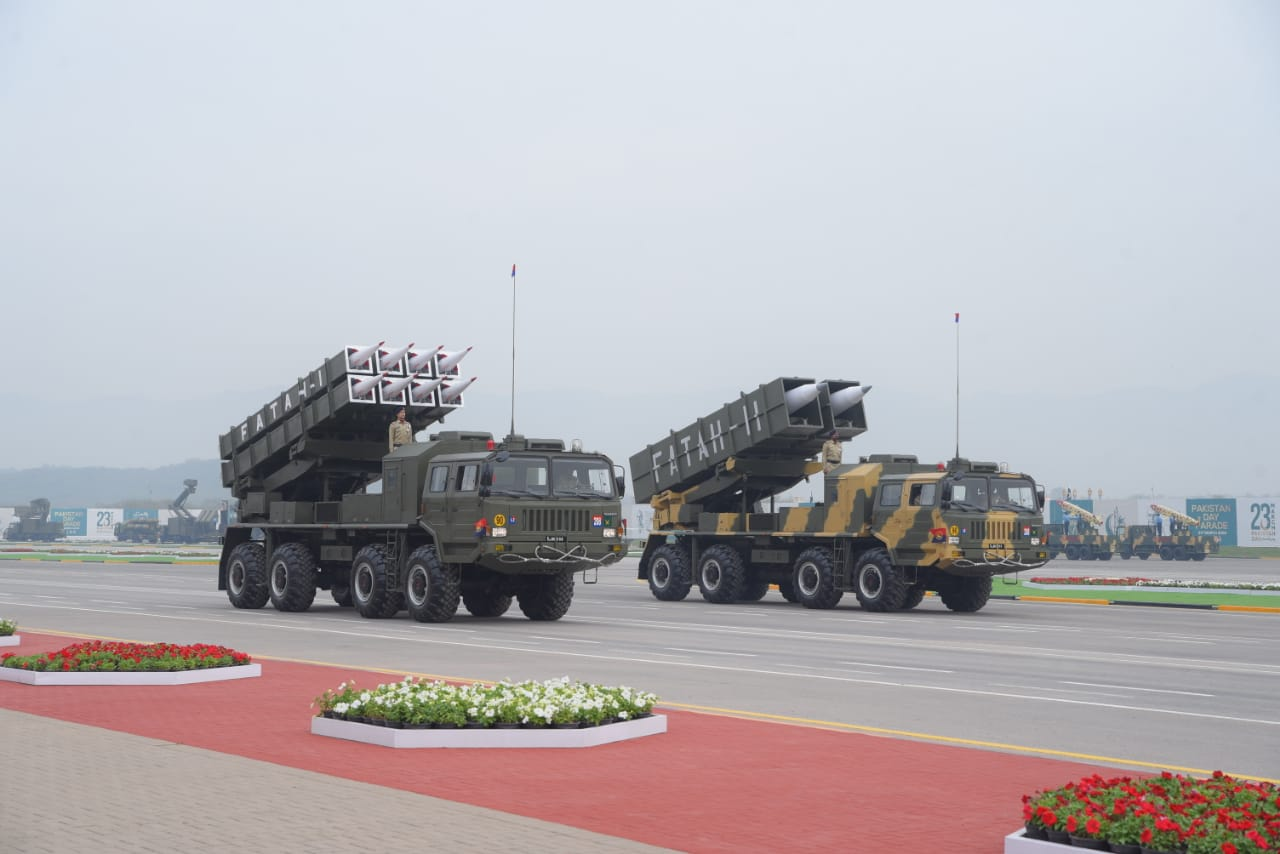
Initially, many observers assumed a direct link with the Pinaka rocket system due to its prominence within Indian service. However, this assumption does not align with technical realities. Presently, Pinaka variants under testing focus on short and medium engagement ranges. Meanwhile, long-range guided Pinaka developments remain under incremental evolution. As a result, the disclosed specifications fall outside Pinaka’s current operational envelope. Although Indian industry absorbed Pinaka-related technologies earlier, this order clearly points toward a different rocket family altogether.
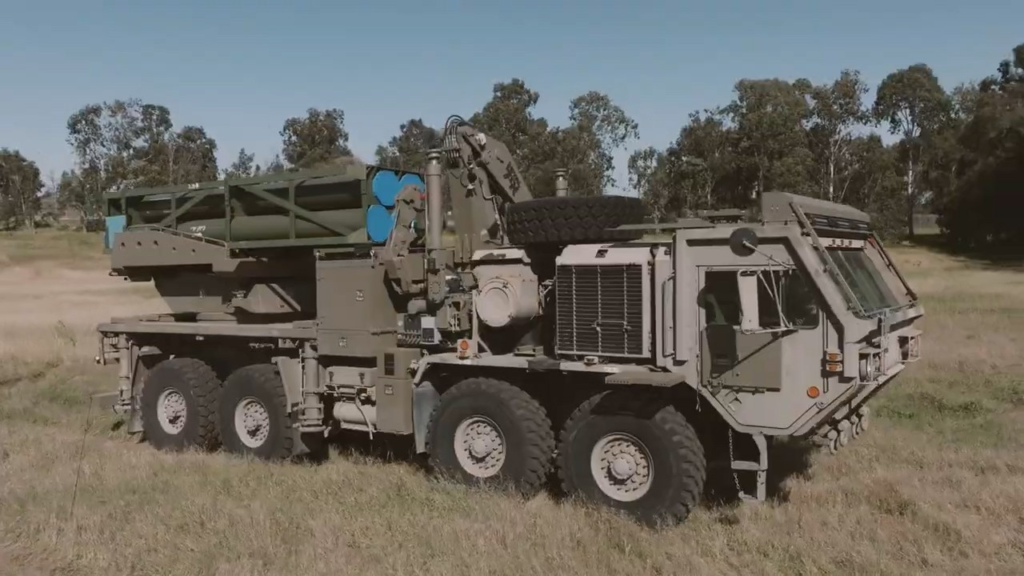
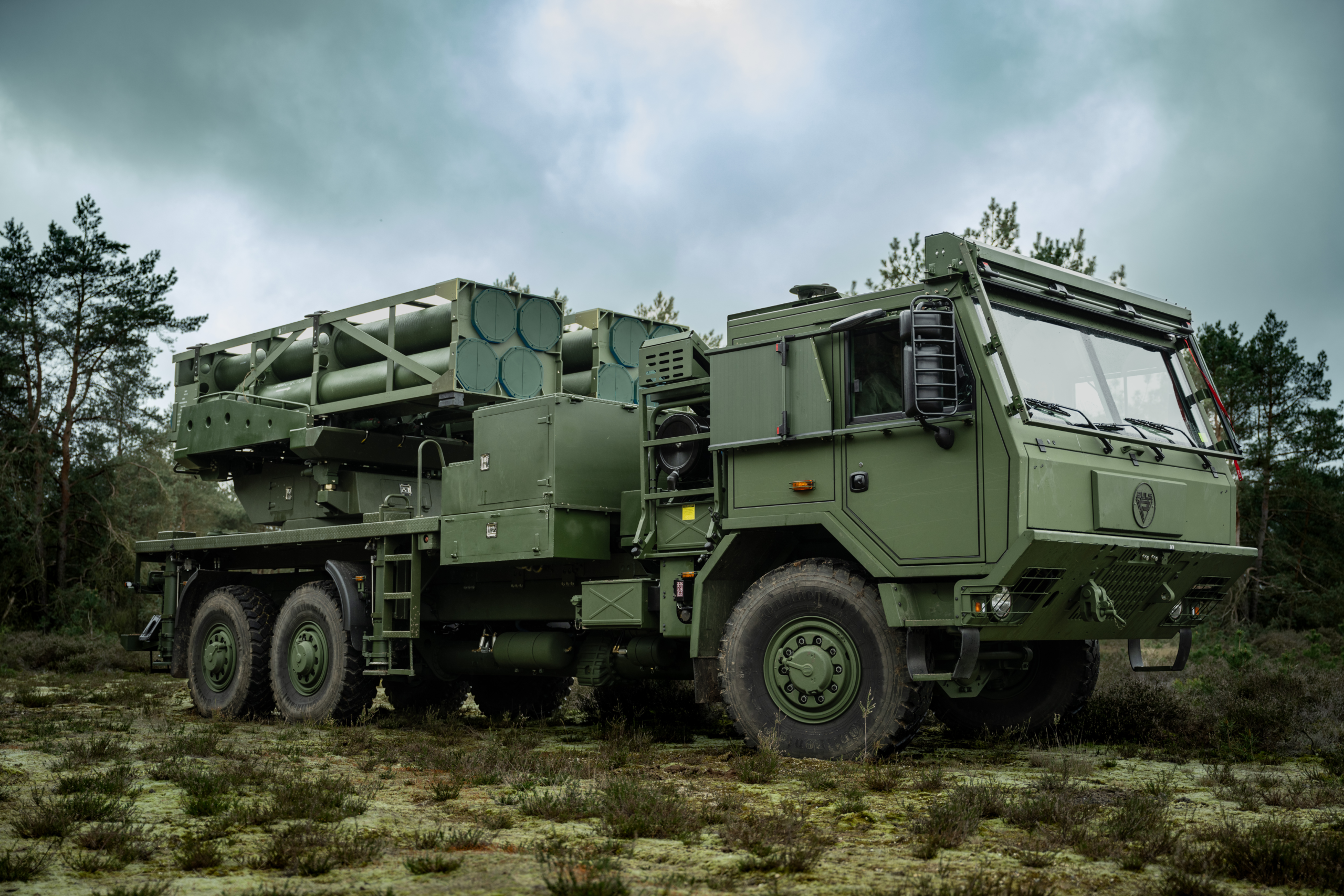
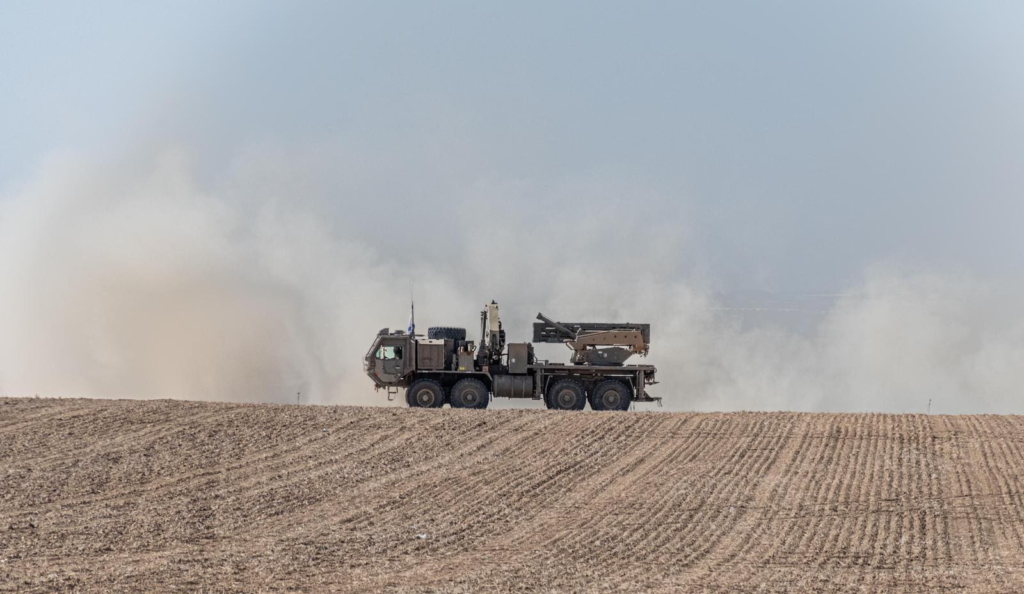
Instead, the launcher architecture closely resembles Israel’s Precise and Universal Launching System developed by Elbit Systems. This similarity matters because such systems support multiple rocket calibres from a single launch vehicle. Furthermore, they fire guided and unguided munitions without structural modification. Consequently, commanders can switch mission roles rapidly without replacing launch platforms. This flexibility aligns with modern battlefield requirements that emphasize speed, dispersion, and adaptability. Therefore, universal launcher systems increasingly replace single-calibre artillery platforms across advanced militaries.
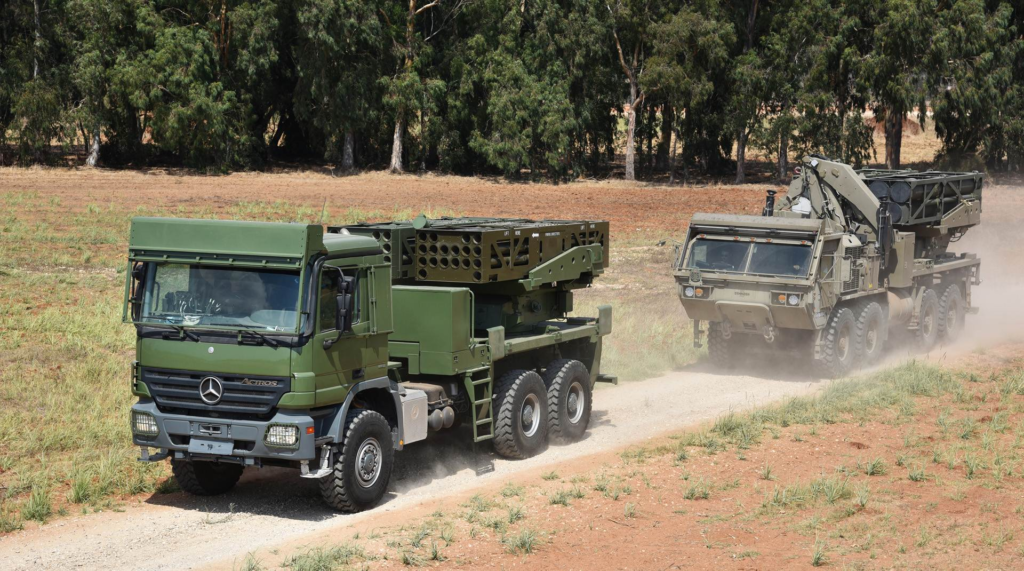
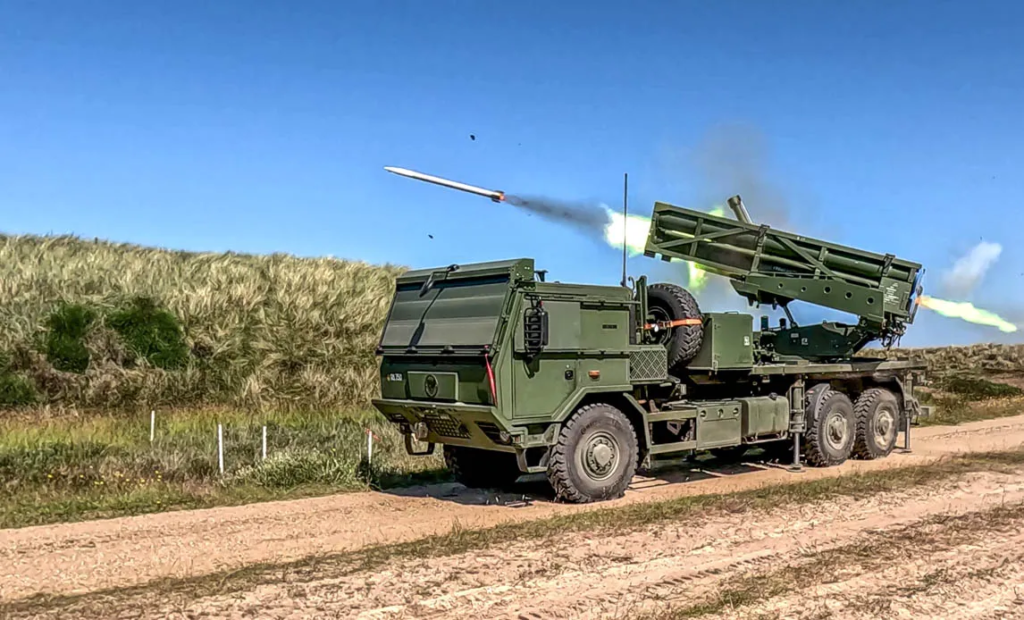
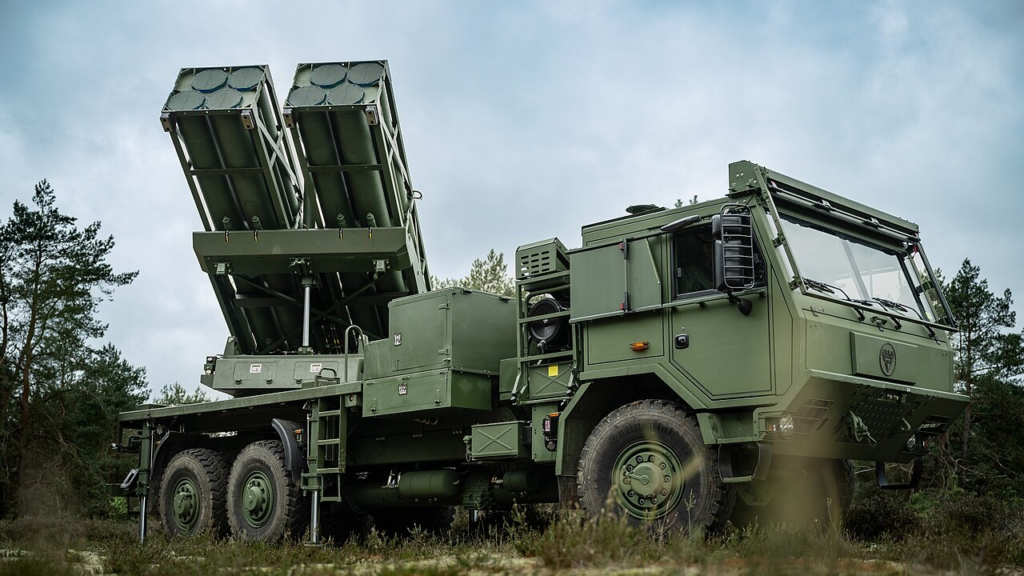
The disclosed information strongly suggests the inclusion of two distinct rocket categories. First, the order likely includes 150 kilometre class guided rockets comparable to the EXTRA system. These rockets use a 306 millimetre calibre and deliver precision effects at extended ranges. Each pod carries four rockets, while each launcher vehicle carries eight rockets simultaneously. Thus, the system provides high fire density with quasi-ballistic flight characteristics. Second, the order likely includes long-range rockets capable of striking targets up to 300 kilometres away. These rockets resemble the Predator Hawk class and operate with calibres near 370 millimetres. Each pod carries two rockets, and each launcher vehicle carries four rockets. Functionally, these systems resemble tactical ballistic missiles rather than conventional artillery munitions. However, they deploy faster and operate with greater launcher density.

As a result, these rockets blur the traditional boundary between missile forces and rocket artillery. They enable deep operational strikes without crossing strategic missile escalation thresholds. Consequently, a single launcher can now deliver effects previously reserved for higher-tier missile formations. This capability significantly alters battlefield calculus at the tactical and operational levels.
Cost analysis further reinforces this interpretation. In August 2020, India approved six Pinaka regiments for approximately ₹2,580 crore. That approval placed the approximate cost per regiment near ₹430 crore. In comparison, the current order remains limited to roughly ₹300 crore in total value. Hence, the procurement indicates selective capability insertion rather than full-scale induction. Moreover, the government likely executed this purchase under emergency procurement provisions. Such provisions prioritize speed and readiness over quantity and standardization. Accordingly, the Army gains immediate capability without lengthy induction timelines.
Strategically, this order extends beyond simple rocket acquisition. It enables technology absorption through domestic manufacturing channels. Simultaneously, it strengthens private-sector defence production capacity. Most importantly, it ensures calibre-to-calibre matching against potential adversary systems. During Operation Sindoor, forces reportedly employed rockets exceeding 300 millimetres in calibre. Therefore, the Indian Army requires credible response options until indigenous systems mature. This procurement fulfills that requirement without undermining ongoing domestic programs.
Meanwhile, DRDO continues development of long-range guided rockets and indigenous 300 millimetre calibre systems. These programs should reach operational maturity within the next two to three years. Until then, interim solutions preserve readiness, deterrence, and operational balance. Consequently, this order represents a bridging capability rather than structural dependence. It accelerates manufacturing learning while sustaining battlefield credibility. Ultimately, the ₹300 crore procurement reflects pragmatic force planning that remains aligned with long-term strategic self-reliance objectives.