The Indian Navy has issued a Request for Information (RFI) for a Land Attack Cruise Missile (LACM) for its conventional submarines. At first glance, this may appear confusing. After all, DRDO has already demonstrated a Submarine Launched Cruise Missile (SLCM).
However, this is not a contradiction.
It is simply how India’s defence procurement system works.
RFI Stage: Exploration, Not Selection
At present, the Navy is only at the RFI stage. An RFI does not determine the procurement category. Instead, it allows the service to explore available options, gather technical data, and refine its requirements.
Only at the Acceptance of Necessity (AoN) stage does the Ministry of Defence decide which DAP category the acquisition will follow.
Therefore, speculation about whether this will fall under Buy (Indian–IDDM), Buy (Indian), Buy & Make (Indian), or Buy (Global) is premature.
For now, the Navy is mapping the ecosystem.
Why Issue an RFI If DRDO Has an SLCM?
The answer is straightforward: DPP / DAP compliance.
Even though the Navy has actively participated in DRDO’s SLCM development, it must still initiate a formal procurement process. Under DAP 2020, no system indigenous or foreign bypasses structured acquisition stages.
Consequently, the RFI serves multiple purposes:
- It benchmarks global capabilities.
- It validates technical specifications.
- It confirms submarine integration feasibility.
- It strengthens the acquisition file before AoN consideration.
In other words, the Navy cannot directly move from “technology demonstration” to “fleet induction” without procedural steps.
The Indigenous Landscape: Limited Options
Now the strategic reality becomes clearer.
As of today, India does not field multiple indigenous submarine-launched LACM options. No private Indian firm has revealed a torpedo-tube-launched land attack cruise missile. Moreover, no Indian production line currently manufactures a foreign LACM under license.
That leaves one visible indigenous pathway:
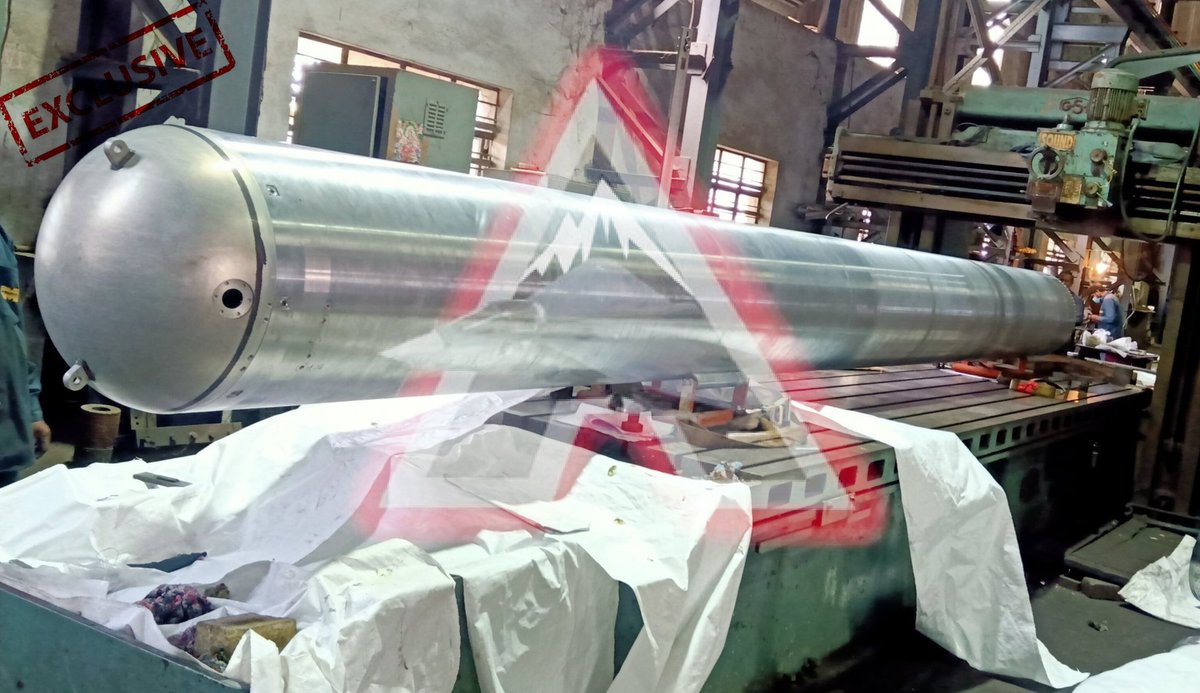
DRDO’s Submarine Launched Cruise Missile.
DRDO has demonstrated a missile with:
- Approx. 500 km range
- 505 mm diameter compatible with torpedo tubes
- Solid booster + turbofan sustainer
- INS/GPS navigation with terminal seeker
- Successful trial in 2023
Therefore, unless a foreign OEM proposes a Make in India solution, DRDO’s SLCM remains the only publicly known Indian-developed candidate aligned with the Navy’s requirement.
AoN Stage: The Real Decision Point
The decisive moment will come at the AoN stage.
At that point, the Ministry of Defence will determine:
- The procurement category
- The indigenous content threshold
- Whether foreign vendors can compete directly
- Whether the program prioritizes IDDM
If the acquisition proceeds under Buy (Indian–IDDM), DRDO’s SLCM naturally gains priority, provided it meets operational criteria.
However, if the MoD chooses Buy (Global) or Buy & Make (Indian), then foreign cruise missile manufacturers could enter the competition.
Therefore, the category decision will reveal whether the emphasis lies on sovereign development or accelerated induction.
Strategic Implications
Submarine-launched land attack missiles significantly enhance underwater deterrence. They allow conventional submarines to strike land targets without surfacing. Furthermore, they extend strategic reach while preserving stealth.
Therefore, the Navy’s requirement is not optional. It reflects an operational necessity.
At present, DRDO’s SLCM appears to be the only indigenous candidate in sight. However, until the AoN stage defines the procurement category, the field technically remains open.
In the end, the issue is procedural.
The RFI is a mandatory step.
The AoN will determine direction.
And the category selection will define India’s balance between autonomy and speed.