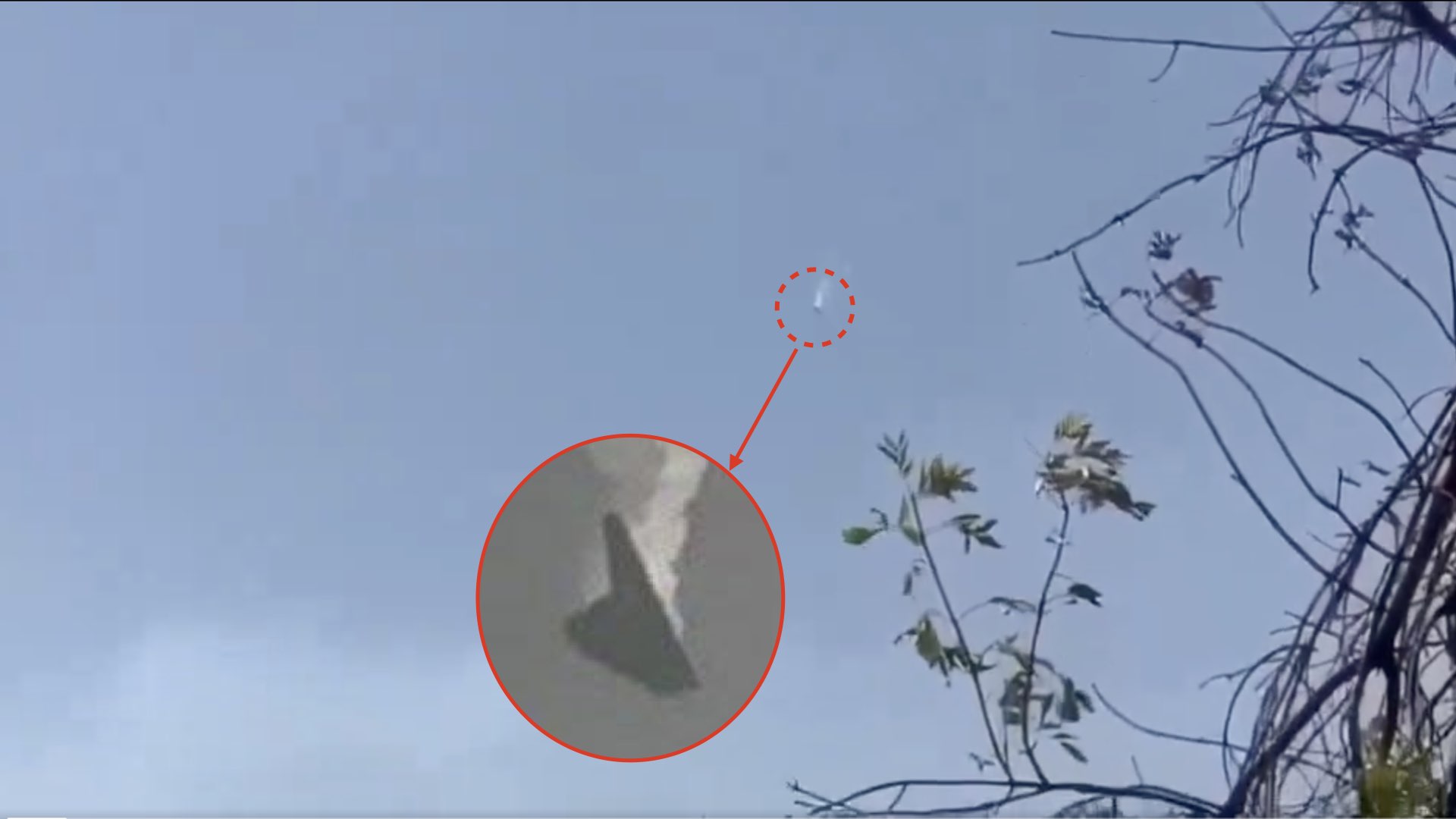
The overwhelming victory of Sanae Takaichi in the February elections has officially closed the chapter on Japan’s era of “strategic patience.” By securing a commanding majority in the Lower House, Takaichi has moved beyond political survival to a state of total mandate, one she intends to use to dismantle the last remnants of Japan’s post-war pacifist constraints. For Beijing, this result confirms its worst-case scenario a Japan that is no longer content to stay behind its island defenses but is actively preparing for a regional conflict.
The Era of Proactive Deterrence
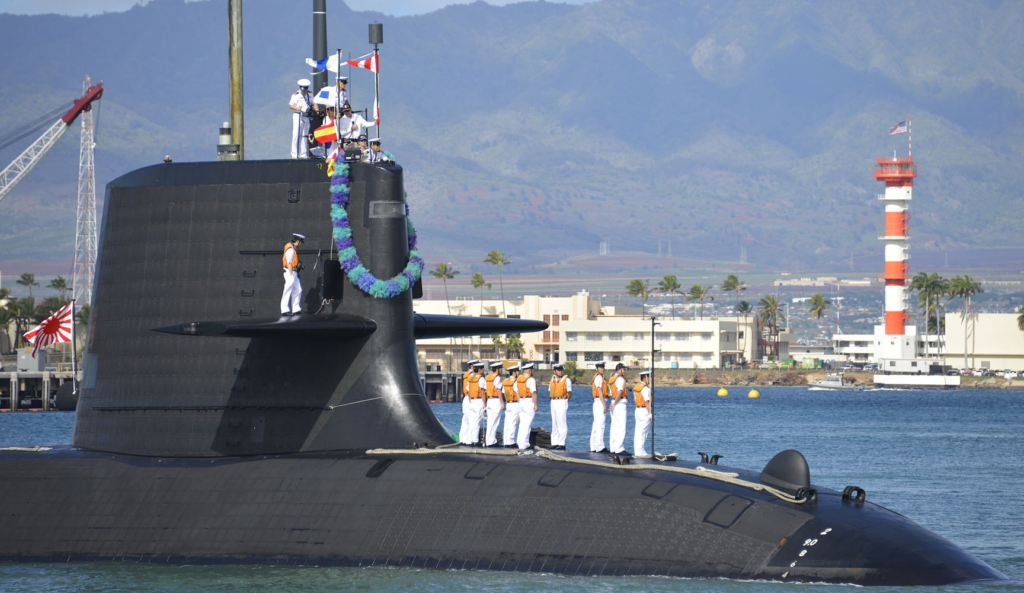
The Takaichi administration has immediately converted its political capital into military hardware. The record $58 billion defense budget for fiscal 2026. A 9.4% jump from the previous year, signals that Tokyo is no longer waiting for 2027 to reach its 2% GDP spending goal. The centerpiece of this buildup is the SHIELD system (Synchronized, Hybrid, Integrated and Enhanced Littoral Defense). This is a multi-layered network of unmanned air, sea, and underwater drones designed to turn the First Island Chain into a “porcupine” that China cannot touch without significant cost.
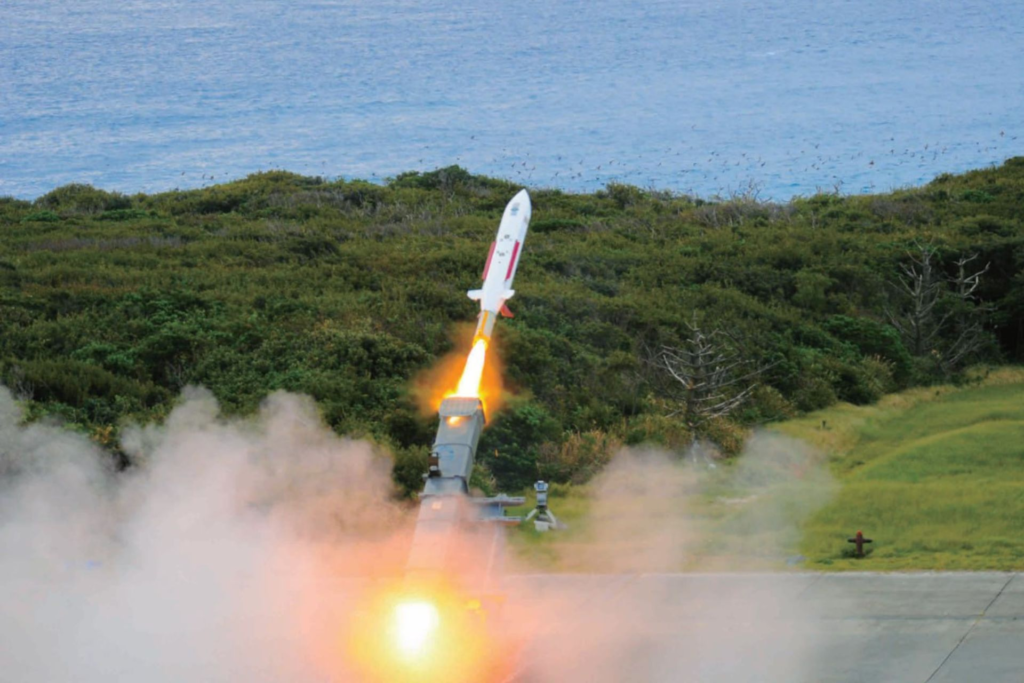
Crucially, Japan is also accelerating the deployment of its Type-12 standoff missiles to Kumamoto by March 2026. These are not defensive batteries they are counterstrike weapons with a 1,000-kilometer range, capable of reaching Chinese naval bases. By moving these deployments up by a full year, Takaichi is telling Beijing that Japan’s “shield” now has a very sharp “sword” attached to it.
A New Front in the South China Sea
Historically, the South China Sea was a region where Japan provided “capacity building” in the form of recycled patrol boats. Under the new Takaichi doctrine, that has shifted to a direct security partnership. The signing of the Acquisition and Cross-Servicing Agreement (ACSA) with the Philippines on January 15, 2026, is a watershed moment. This logistics pact allows the Japanese Self-Defense Forces to share fuel and supplies with Manila, effectively giving Tokyo a permanent logistical footprint in the South China Sea.
For the first time since 1945, Japanese hulls are becoming a regular fixture alongside U.S. and Philippine vessels in contested waters. This “trilateral anchor” is designed to check Chinese domination of the Nine-Dash Line. Tokyo’s logic is simple if the South China Sea falls under total Chinese control, Japan’s economic lifeblood—the sea lanes carrying 90% of its energy could be cut off at will.
Economic Security: The Silicon Shield
Takaichi’s strategy goes far beyond military hardware. Under the newly expanded Economic Security Promotion Act (ESPA) of 2026, Japan is aggressively pursuing what she calls “strategic indispensability.” This involves massive government subsidies to ensure that critical technologies specifically next-generation 2nm semiconductors and advanced AI chips are manufactured on Japanese soil.
By partnering with firms like TSMC and Rapidus, Tokyo is creating a tech fortress. This isn’t just about trade it’s about ensuring that Japan remains a vital cog in the global economy, making any Chinese attempt at an “economic punishment” too costly for the world to ignore. Japan is now leading a massive “friend-shoring” movement, incentivizing Japanese giants to pull their high-tech manufacturing out of the Chinese mainland and relocate to safer hubs in India and Southeast Asia.
The High Stakes of the China-Japan Crisis
The relationship between Tokyo and Beijing is currently in its most volatile state in decades, labeled by many as the “2025–2026 Diplomatic Crisis.” Takaichi’s explicit warning that a conflict over Taiwan would constitute an “existential threat” to Japan has broken the ultimate taboo. Beijing has responded with a heavy hand, imposing sweeping bans on Japanese seafood, limiting critical mineral exports, and issuing travel advisories.
However, Takaichi is betting that the U.S.-Japan alliance now a “Tech-Security Duopoly” is strong enough to weather this economic coercion. As the U.S. shifts its focus toward a “denial defense” along the First Island Chain, Japan is stepping up as the indispensable regional deputy. The message is clear: the Indo-Pacific has entered a period of active friction, and Japan is no longer a bystander.