
The Growing Question of Israel Dependence
India’s defence ecosystem increasingly raises a critical question about long-term strategic dependence on Israel, especially in the missile domain. This concern becomes more relevant because many observers still believe missile development requires decades of sustained effort. However, India’s own experience clearly disproves this assumption and shows that capability development depends more on intent than timelines.
India’s Missile Development Capability: A Proven Record
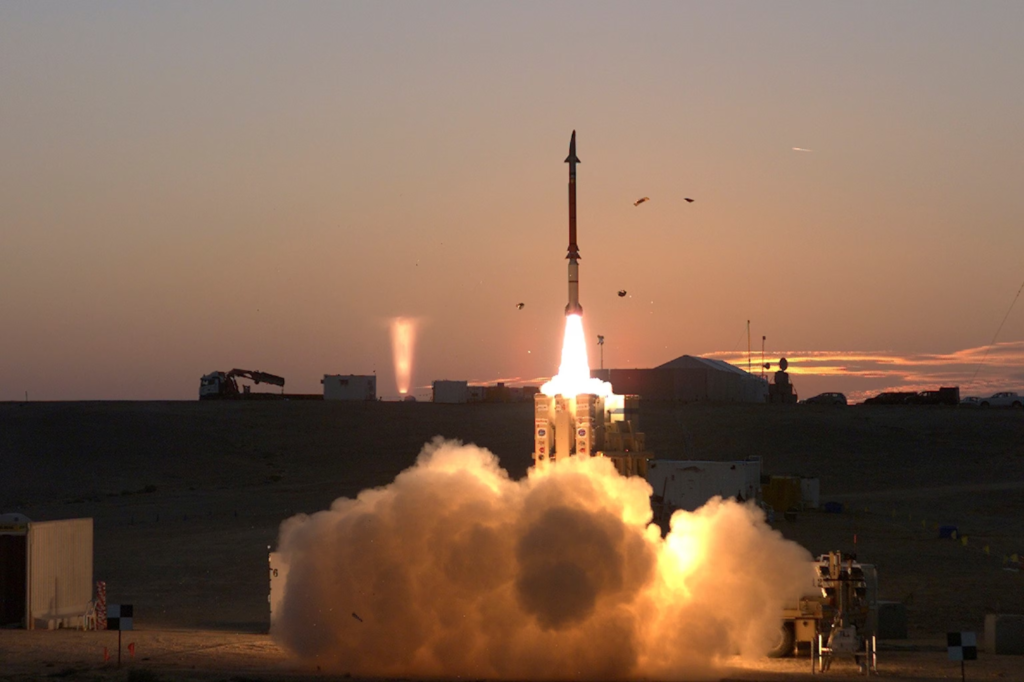
India can develop a missile system within two to two-and-a-half years when political clarity and institutional support exist. This capability emerged because India launched the Integrated Guided Missile Development Programme at an early stage. The programme aimed to create every category of missile domestically and reduce external dependence (lack of options contributed too). As a result, systems like Agni, Prithvi, and Akash achieved full operational success and entered service across multiple platforms. However, not every programme delivered the same outcome, and the Trishul surface-to-air missile failed to meet operational expectations. Authorities eventually discontinued Trishul as a frontline weapon and retained it only as a technology demonstrator.
The Barak Stopgap and Its Long-Term Consequences
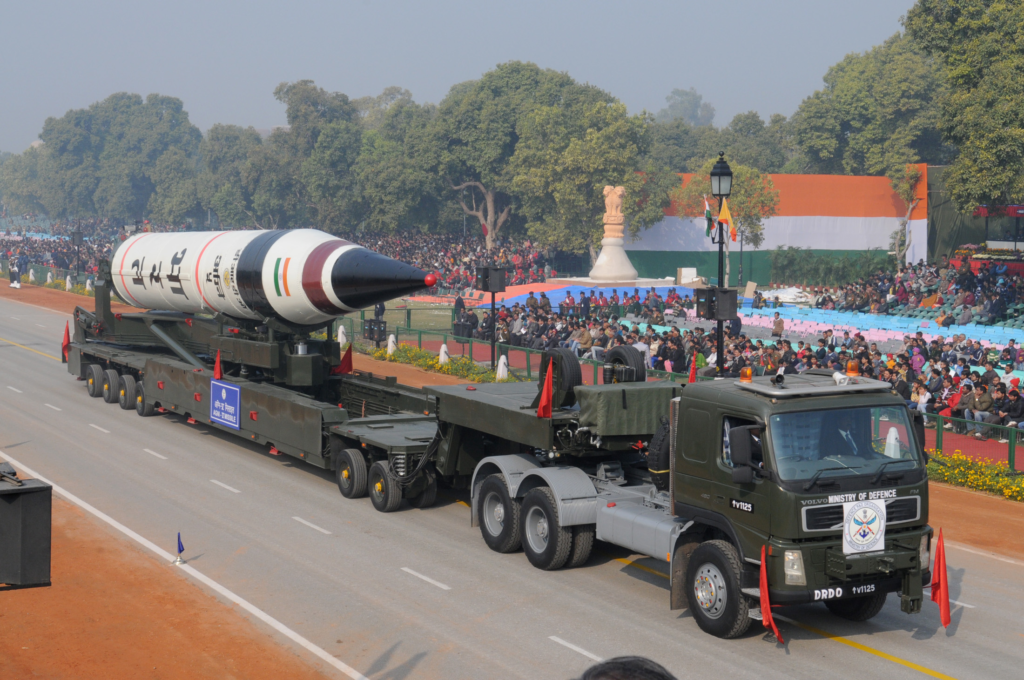
As a stopgap arrangement, India acquired the Israeli Barak missile system to fill an urgent operational gap. At that moment, the decision appeared logical and operationally sound. However, historical evidence shows that stopgap imports often delay or weaken indigenous development. Today, as Barak approaches replacement, India lacks a domestic missile system in the same category. This absence explains why the Indian Army recently evaluated foreign surface-to-air missile options once again. Indigenous solutions currently exist either in the very short-range segment or around the thirty-kilometre bracket through systems like Akash and VL-SRS, leaving a critical capability gap in between.

Trishul, MICA, and the Forgotten Maitri Programme
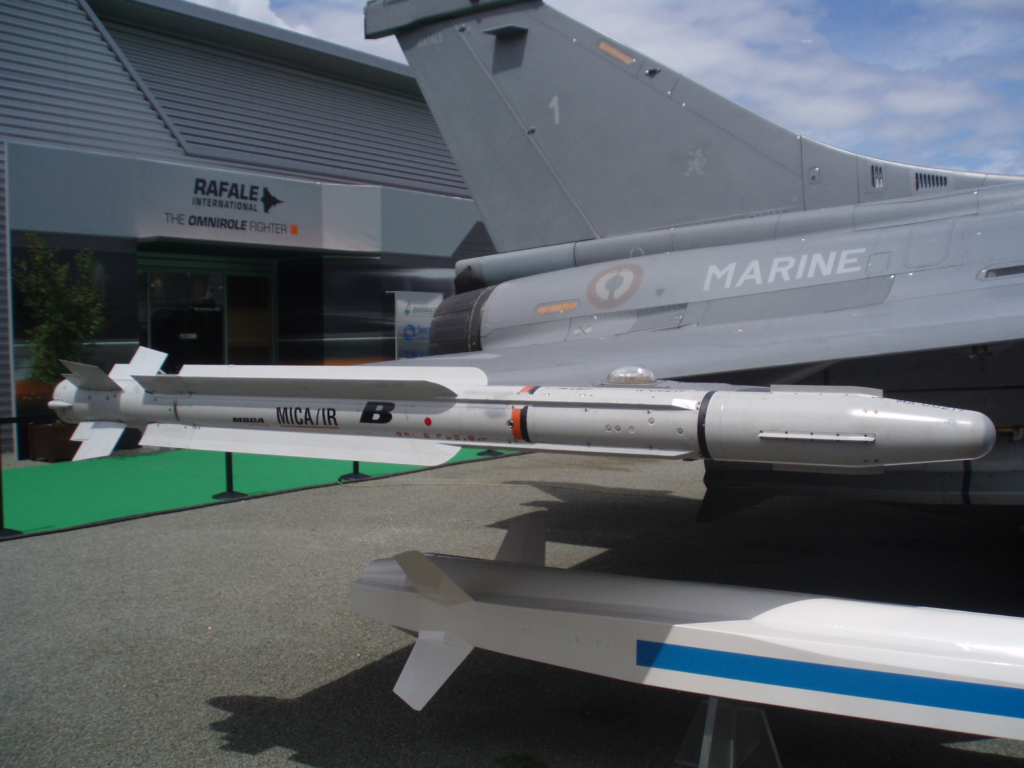
Although Trishul initially suffered from technical challenges, India later explored international collaboration to revive the programme. At one stage, France proposed merging Trishul with the MICA missile to create a new system named Maitri. This historical episode remains relevant because it highlights a recurring pattern. Whenever India introduces stopgap imports around an indigenous programme, the domestic effort loses momentum and eventually stagnates. This pattern has repeated across multiple weapon categories over time.
Strategic Pressure from China and Pakistan
India’s security environment has deteriorated significantly over the last decade due to sustained regional pressure. The Doklam standoff first exposed unresolved tensions with China, while the Eastern Ladakh crisis and the Galwan clash intensified military confrontation further. Simultaneously, India has remained in a continuous state of hostility with Pakistan since independence. In recent years, the situation has worsened even more, and after Operation Sindoor, escalation risks have visibly increased. Consequently, the Indian Army received emergency procurement powers to rapidly address capability shortfalls.

Emergency Procurement: Capability Today, Vulnerability Tomorrow
Emergency procurement allows forces to acquire weapons quickly during crisis situations, but such purchases usually remain token in scale. Once the initial inventory depletes, sustained operational capability rapidly collapses. Unfortunately, this pattern repeats frequently across different weapon systems. Israeli weapon systems introduce an additional complication because their supply chains remain tightly controlled by Israel. Refilling stocks during a prolonged conflict would require significant time, which may not be available during active hostilities especially given the global supply chain issues. As a result, Indian planners now face an extremely difficult strategic decision.
Manufacturing in India: Assembly Without Ownership
To mitigate concerns, Israel increasingly proposes shifting manufacturing activities to India. On the surface, this approach appears aligned with Make in India objectives. However, most transferred production involves low-value, high-volume components rather than critical subsystems. Core technologies and crucial components continue to remain under Israeli control. Systems such as Air LORA, Ice Breaker, ROCKS, SPICE, Wind Demon, Derby, SkyCeptor, Spike anti-tank missiles, and various UAV platforms follow this exact model. Indian private companies gain assembly capability, but they receive neither intellectual property rights nor access to core technologies, which keeps long-term dependence intact.
Missile Systems: Where the Logic Breaks Down
This assembly-based approach may appear logical for technologies where India lacks experience. However, missile systems do not belong to that category. India already possesses demonstrated capability across almost every missile segment. Therefore, importing missile systems merely for assembly lacks strategic justification. Dependence continues despite domestic competence, which creates a contradiction in procurement logic. Nowhere is this contradiction more visible than in the missile segment, where self-reliance should be non-negotiable.

Strategic Autonomy Requires Hard Choices
India’s increasing reliance on Israeli missile systems reflects short-term urgency rather than long-term strategic planning. Emergency procurement addresses immediate gaps but simultaneously creates future vulnerabilities. Manufacturing without ownership fails to deliver true autonomy. Missile systems, more than any other category, demand indigenous control and sustained investment. History offers a clear lesson that stopgap imports repeatedly weaken domestic programmes. India must now decide whether temporary capability outweighs strategic independence, because that choice will shape national security for decades.


Money For Gold is a trusted gold buyer in Gurgaon, offering honest evaluations and instant cash payments. We specialize in buying gold, diamonds, and precious jewelry at the best market prices. With transparent processes, professional staff, and quick service, Money For Gold is the most reliable diamonds buyer in Gurugram for safe, secure, and hassle-free transactions.
Select 43 more words to run Humanizer.
Restrobar Kitchens is a trusted Commercial Kitchen Equipment Manufacturer in Delhi, delivering high-quality, durable, and efficient kitchen solutions. With a strong focus on innovation and hygiene, they design equipment that meets modern restaurant and hotel needs. Their reliable products, professional service, and customized solutions make them a preferred choice for commercial kitchens across the foodservice industry.