





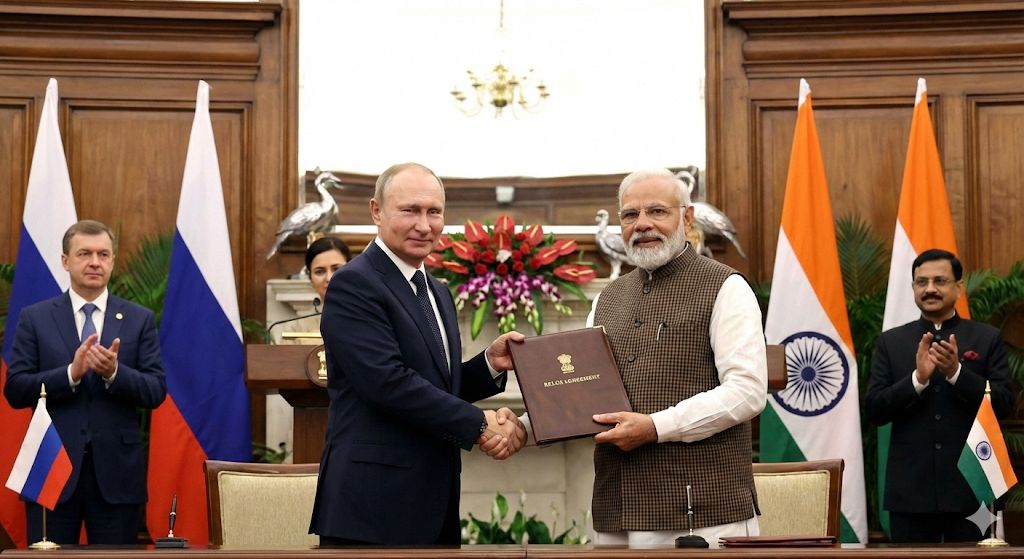
-By Aditya Baghel The RELOS Agreement as a Pivot of Strategic Autonomy and Continental-Maritime Integration The Reciprocal Exchange of Logistics (RELOS) agreement between India and Russia represents a critical calibration of India’s “Strategic Autonomy.” It is not merely a logistical convenience but a geopolitical maneuver that integrates India’s maritime strategy in the Indian Ocean with…

 -Riya Karan Grief brings us together; it binds humans beyond race, region, and religion. For decades, the state of India has been the victim of terrorism coming from her neighbors themselves. She stood tall and strong only to be bathed in the blood of her own children for years in the hope that the world…

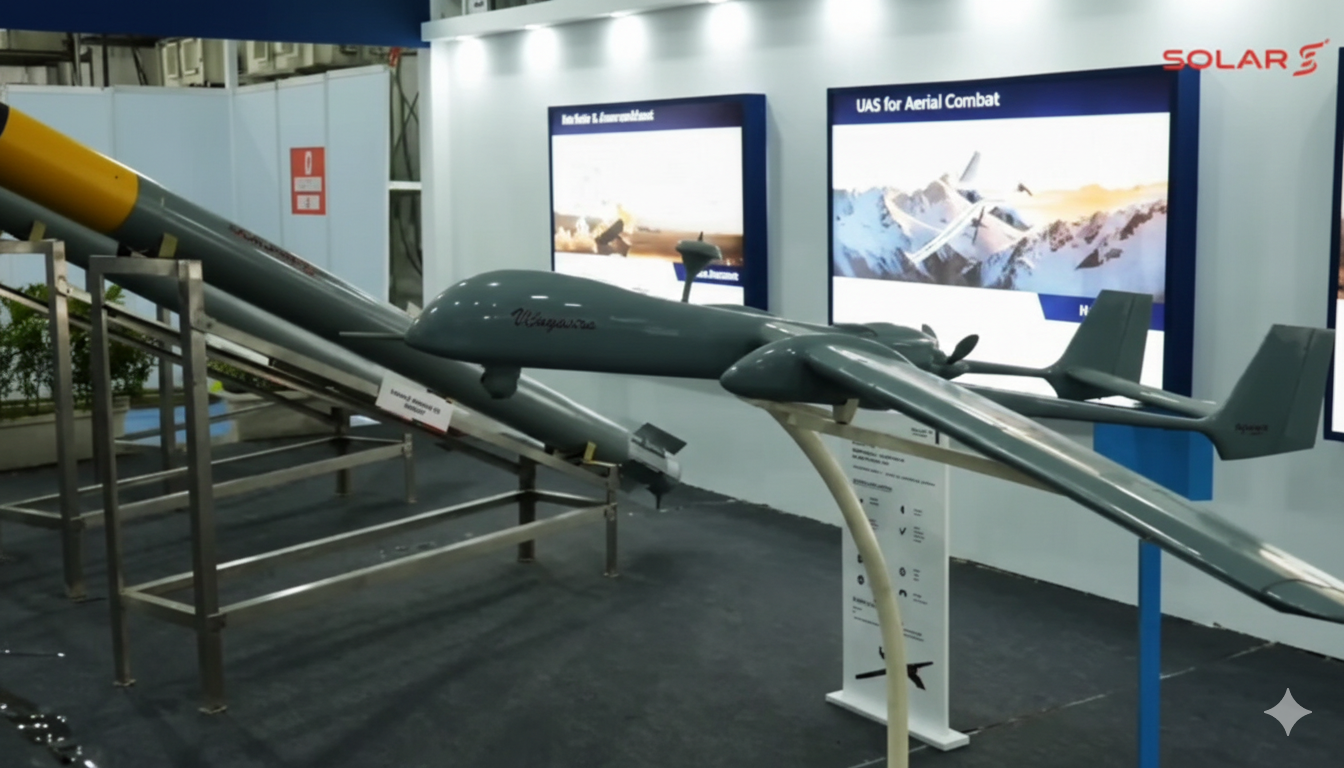
Solar Defence & Aerospace has emerged as the L1 bidder for the design and development of an experimental airframe (Solarised Tapas UAV) using high-performance prepreg composites under the IUAS programme. The company secured the top position with a bid of ~₹15 crore. It outbid Raphe mPhibr and BAe-HAL Software Ltd. in a competitive development contract.…

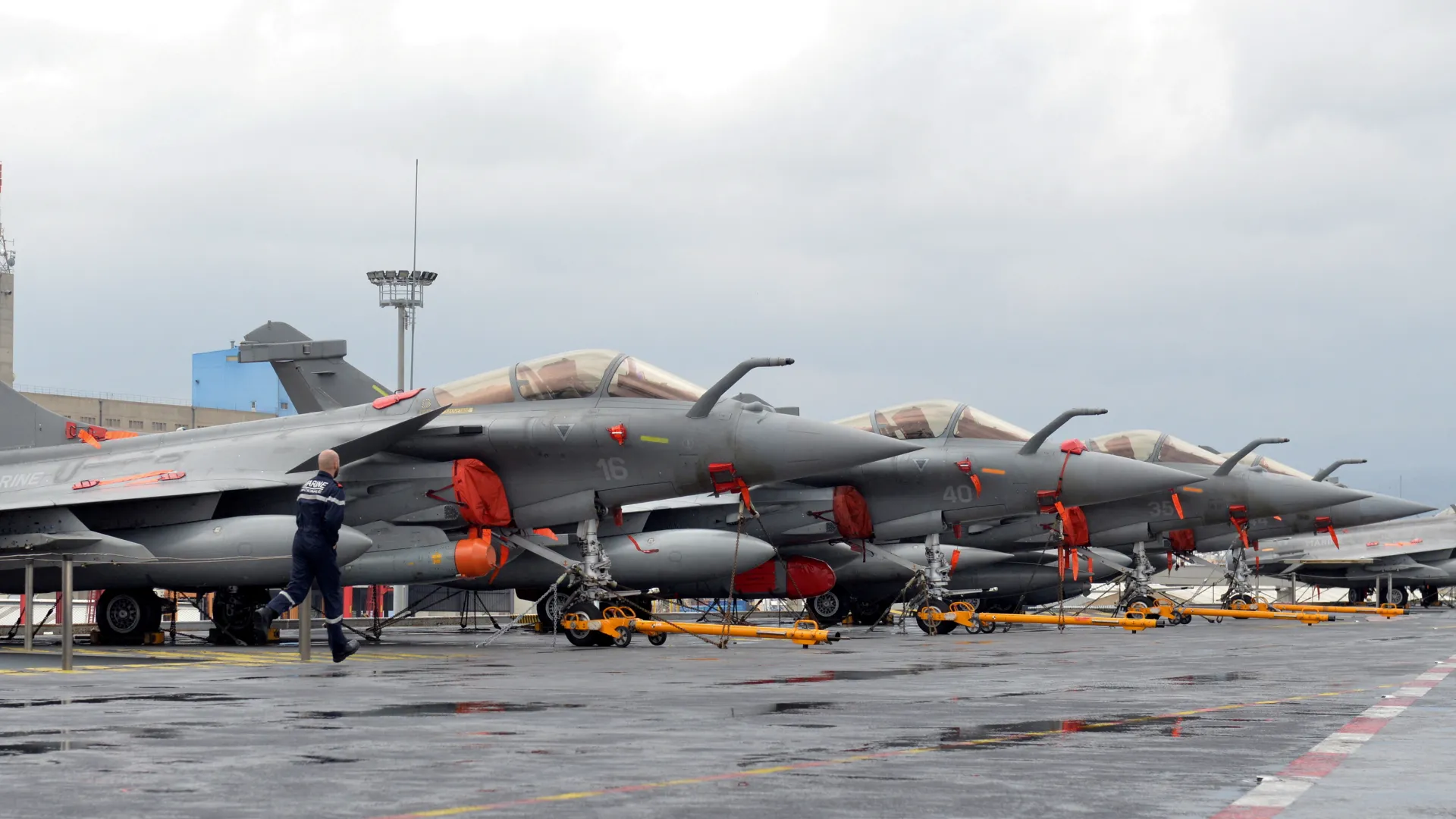
Understanding the Rafale Debate Clearly India has witnessed an intense debate over the acquisition of Rafale fighter jets for the Indian Air Force. Supporters and critics often argue from opposite extremes. However, real strategic clarity always lies between these two ends. To understand the issue properly, both positions must be examined carefully. Extreme One: Rafale…

India has begun building a joint defence Counter-Unmanned Aerial System, or C-UAS, grid to address the growing drone threat. This initiative reflects changing battlefield realities where cheap unmanned systems increasingly challenge traditional air defence. A recent ANI report outlined how this grid aims to integrate detection, tracking, and interception capabilities across services. While the intent…

The Growing Question of Israel Dependence India’s defence ecosystem increasingly raises a critical question about long-term strategic dependence on Israel, especially in the missile domain. This concern becomes more relevant because many observers still believe missile development requires decades of sustained effort. However, India’s own experience clearly disproves this assumption and shows that capability development…

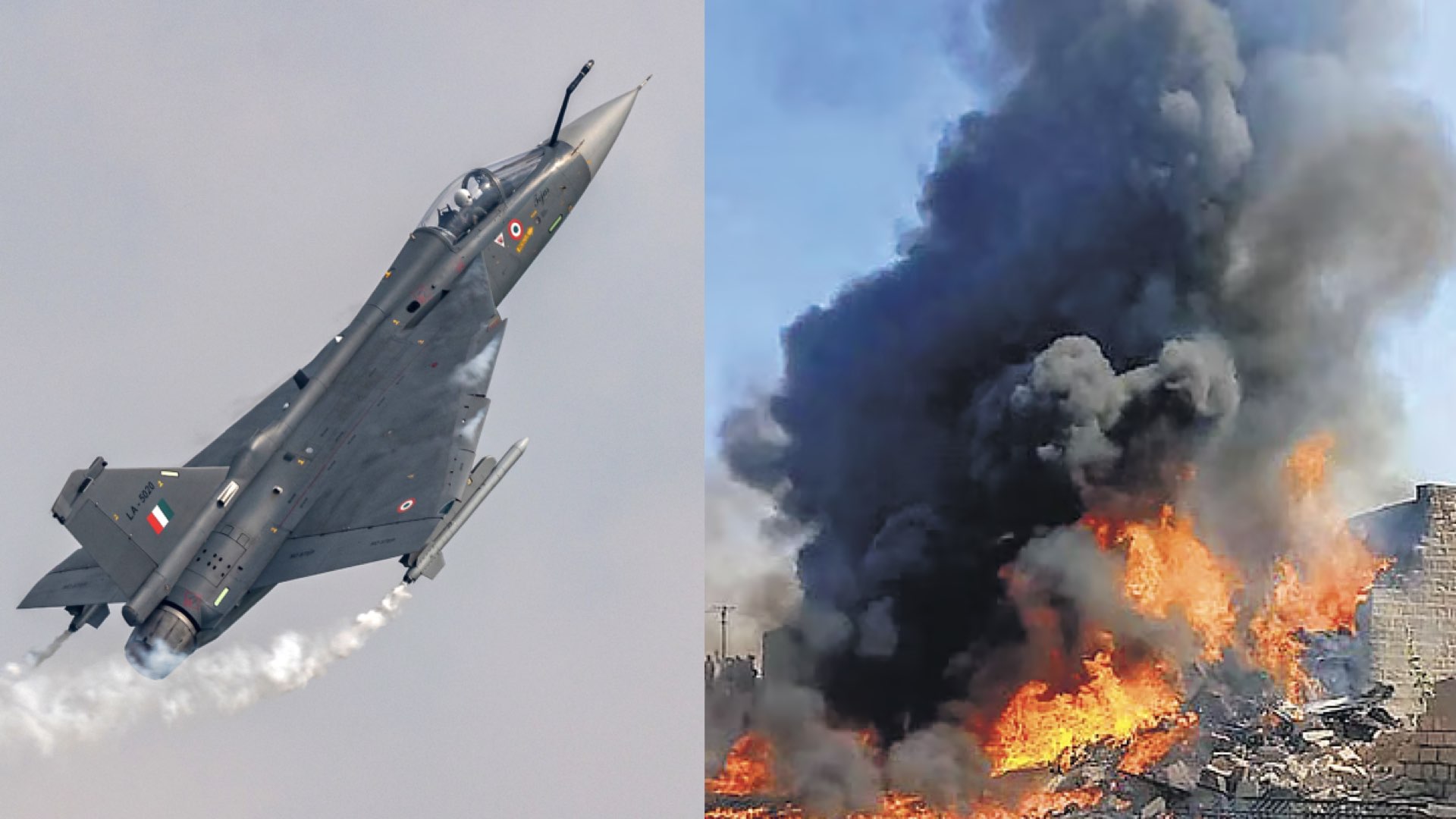
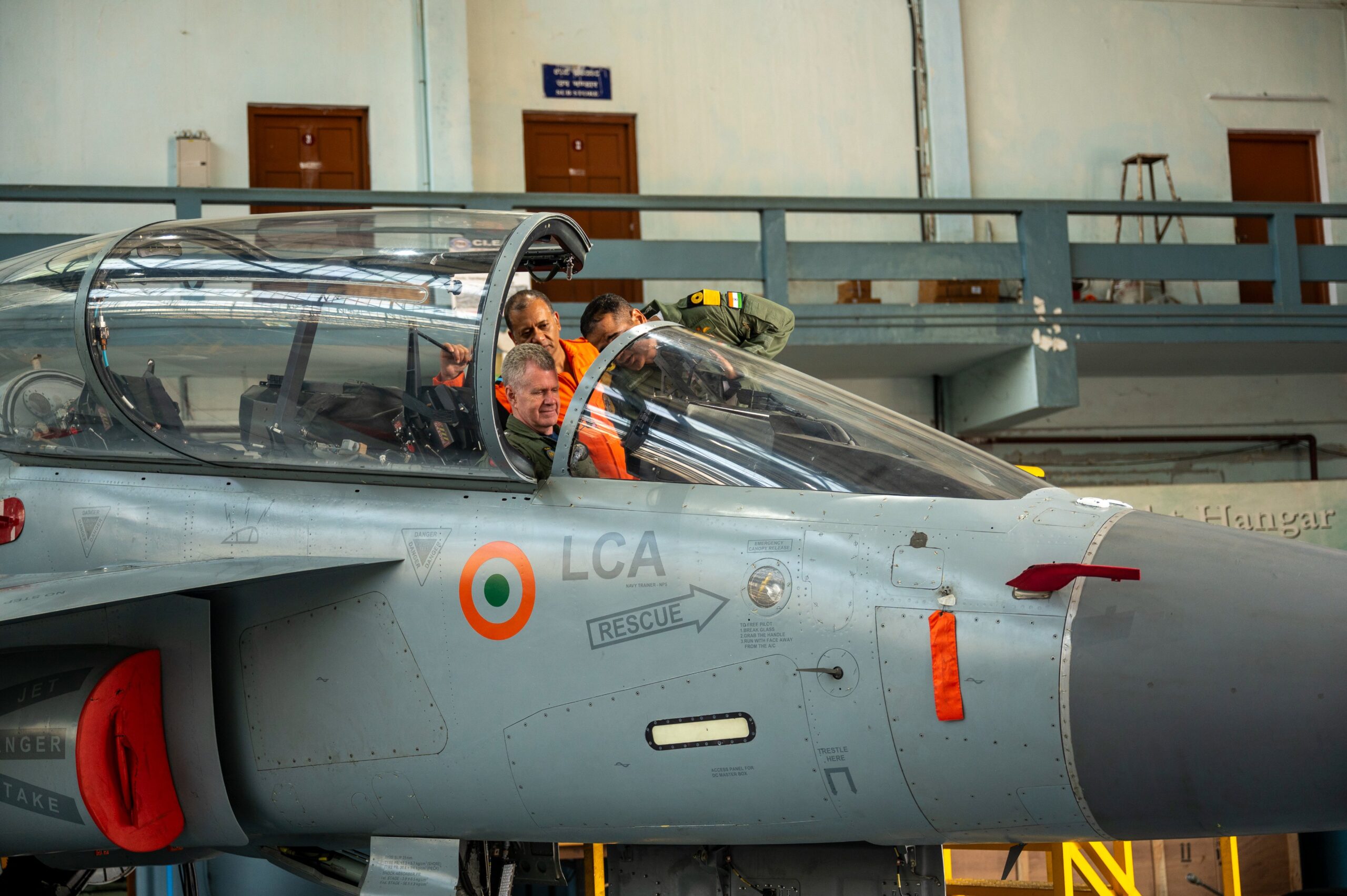
Indian defence enthusiasts have waited years for two critical combat aircraft programs. These programs are the LCA Tejas Mk2 and the Advanced Medium Combat Aircraft, or AMCA. Both platforms represent India’s ambition to achieve genuine air power autonomy. However, the delays surrounding Tejas Mk2 often confuse observers and fuel frustration. The real reasons rarely enter…

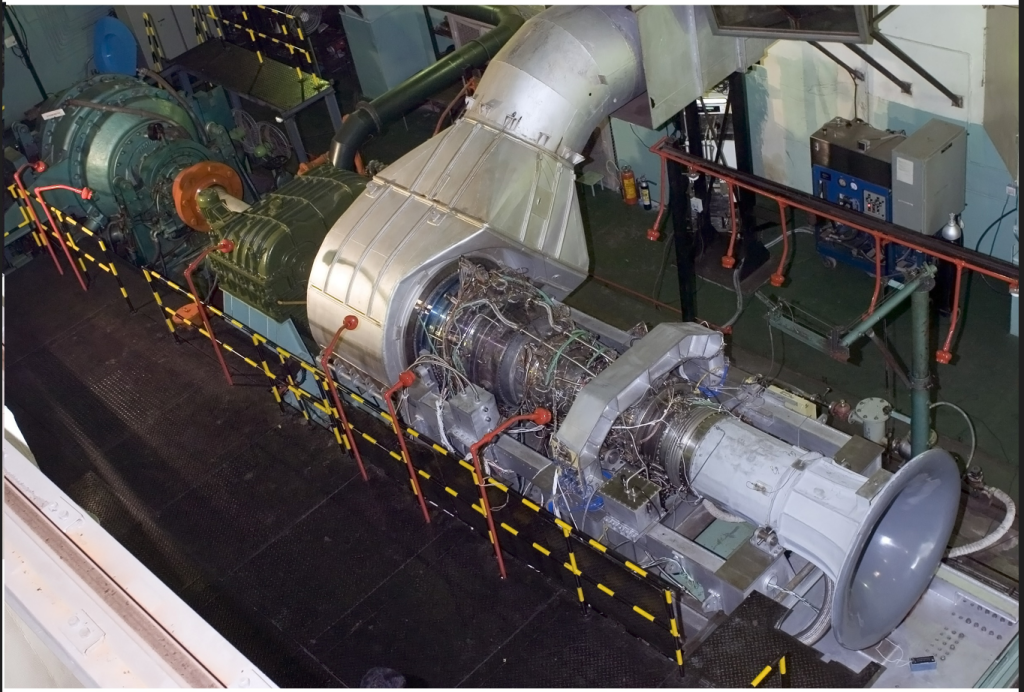
As India approaches 2026, defence aviation faces a decisive moment shaped by unresolved structural weaknesses. One central question now dominates strategic planning. What should stand as India’s single most important defence aviation priority, and why does the Indian Jet Engine sit at its core? More importantly, how much progress exists today, and what remains realistically…

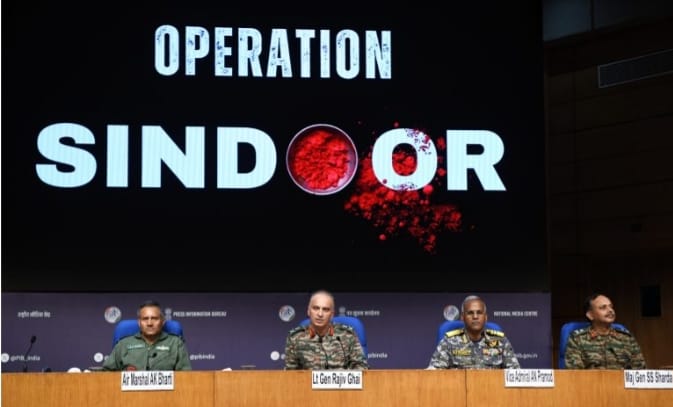
India’s contemporary long-range strike posture must begin with the interception of Pakistan’s Fateh-2 rocket over Sirsa during Operation Sindoor. That interception confirmed Pakistan’s intent to operationally employ long-range guided rockets against India. Although Indian air and missile defences neutralised the threat, the episode exposed a critical escalation layer. Long-range rockets now operate between artillery and…

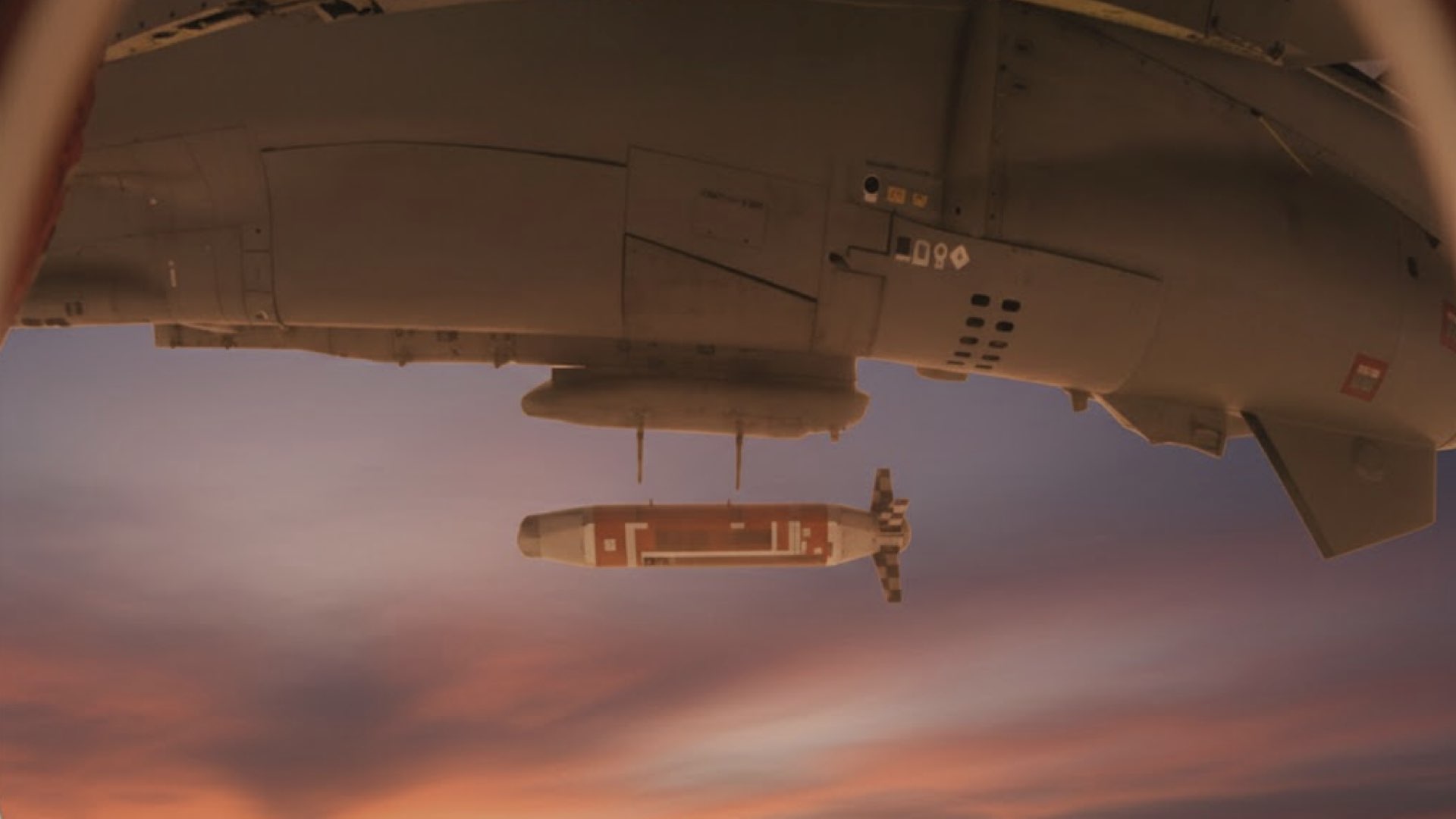
According to a recent SEBI disclosure, the Ministry of Defence placed an order worth nearly ₹300 crore for the Indian Army because Indian regulations mandate transparent reporting. This disclosure allows analysts to track capability trends and industrial participation with greater clarity. Consequently, this order immediately attracted attention due to its long-range strike implications. The contract…

India treats BrahMos as a strategic national investment rather than a conventional missile program, because the system delivers unmatched speed, precision, and survivability across modern contested battle spaces.Engineers designed BrahMos around a high-energy supersonic cruise profile that sustains velocity even during the terminal phase, thereby compressing enemy sensor-to-shooter timelines beyond practical interception limits.As a result,…

The need of DRDO HALE comes from Indian armed forces, who operate across a wide range of terrains, where altitude often defines operational success. From high mountains to vast maritime zones, persistent surveillance becomes critical. These conditions make turboprop-powered High Altitude Long Endurance (HALE) UAVs essential for modern military operations. India currently operates two US-origin…