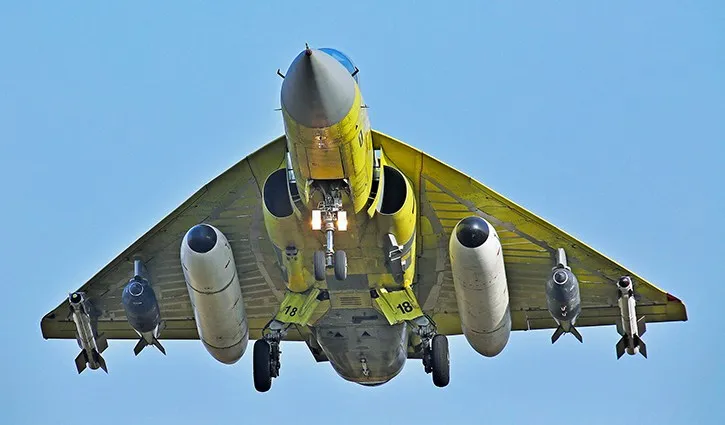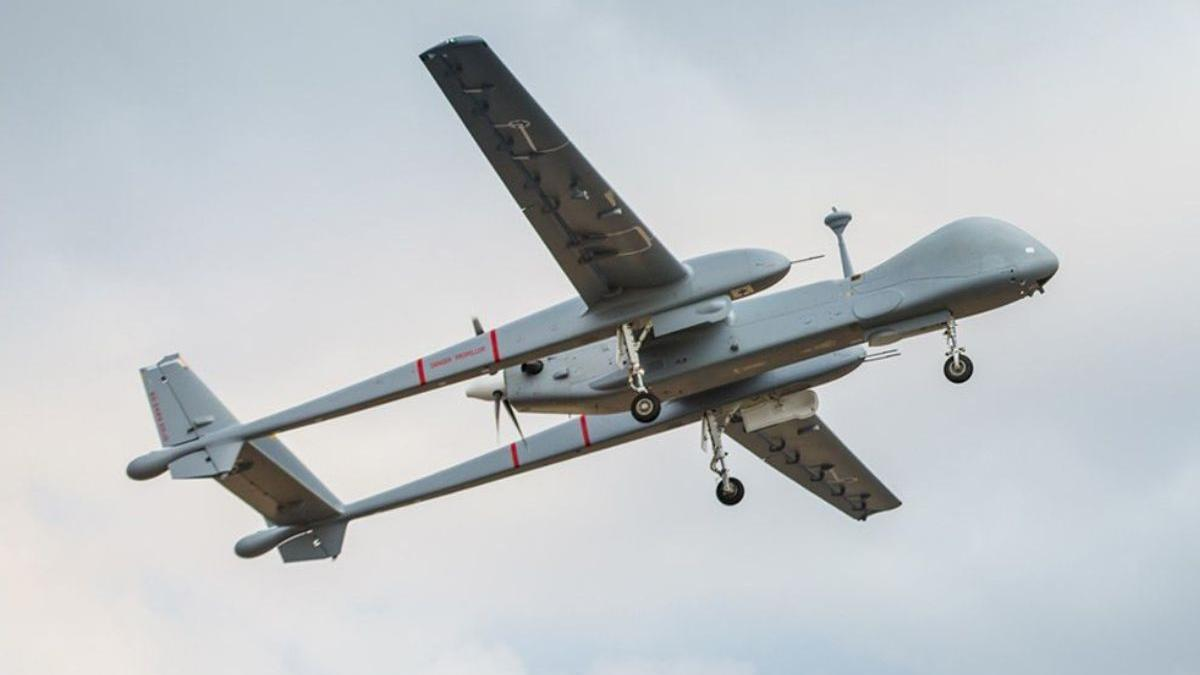
Legacy aircraft like the MiG-29 UPG, Mirage 2000, and Jaguar are expected to retire within the next 5–7 years. Any major aircraft purchase or indigenous development started today will take 3–5 years to become fully operational.
This reality explains why the IAF sees the acquisition of 114 additional Rafale fighters as the safest and fastest solution. India already operates 36 Rafales, and expanding an existing fleet appears operationally sensible.
But this “safe solution” may come at a price that can only be described as a Kidney for Rafale.
Why Rafale Looks Like the Best Option
There is no denying the capability of the Rafale.
It is among the world’s best 4.5-generation fighter aircraft. Its weapon ecosystem makes it especially attractive for India’s threat environment.
Key strengths include:
- Meteor long-range air-to-air missile
- SCALP deep-strike cruise missile
- MICA NG, the next-generation air combat missile
Against Pakistan, Rafale offers clear operational advantages. From sensor fusion to strike depth, it gives the IAF confidence in both offensive and defensive missions.
The problem, however, is not capability. The problem is cost and what that cost actually includes.
The Two-Pronged Rafale Problem
1. A €40 Billion Entry Ticket
Media reports suggest India may pay north of €40 billion for 114 Rafale jets. That puts the per-aircraft cost at roughly €350 million.
For comparison:
- 36 Rafales (2016 deal): ~€222 million per aircraft
- 26 Rafale-M for Navy: ~€275 million per aircraft
Yes, the new deal will include local assembly in India and long-term support. Facility amortisation and services will push prices up. But even accounting for that, the jump is significant.
This is the first warning sign that the Kidney for Rafale narrative is not exaggeration.
2. Expensive Jets, Limited Weapons
Despite the massive upfront cost, India will not receive a large stockpile of weapons.
This is not speculation. Recent events confirm it.
SCALP Missile Purchase Raises Hard Questions
Just yesterday, ANI reported that India is purchasing €300 million worth of SCALP missiles.
This is notable.
When India signed the original 36-Rafale deal, then Defence Minister Late Shri Arun Jaitley stated that India would avoid revealing weapon inventory numbers so adversaries would not know the stockpile size.
However, the need to buy SCALP missiles again after a single high-intensity operation suggests something else.
During Operation Sindoor, SCALP missiles were reportedly used in 10–15 numbers. If replenishment is required so quickly, it indicates that the original inventory was not very large.
What Does €300 Million Actually Buy?
According to the Italian defence website The Aviationist, the unit cost of a SCALP missile in 2024 was around USD 3 million per missile.
A simple euro-to-dollar conversion shows that a €300 million deal would give India roughly 100–120 SCALP missiles. That is not a war-sustaining stockpile. This leads to the first major cost issue.
Hidden Cost #1: Weapons Are a Continuous Expense
French weapon systems are expensive and they must be bought again and again.
Missiles are not a one-time purchase. Training, deterrence patrols, and actual combat operations consume them rapidly.
These recurring purchases add heavily to the life-cycle cost of the Rafale program. This cost is rarely discussed in mainstream media coverage but matters enormously for long-term force planning.
This is where the Kidney for Rafale argument becomes unavoidable.
Hidden Cost #2: Rising Unit Price Over Time
With a projected total of €40 billion:
- Unit cost rises to ~€350 million
- This is significantly higher than previous Rafale deals
- The price is now comparable to some fifth-generation programs globally
Even if support and infrastructure are included, this number will shape future budgets and crowd out other programs.
Rafale Is a Necessity: but at What Price?
There is no escaping reality.
Rafale is not a luxury for the IAF. It is a necessity driven by shrinking squadron strength and limited short-term alternatives.
But necessity should not mean blind acceptance.
At this scale, Rafale risks becoming a Kidney for Rafale deal, possibly even two.
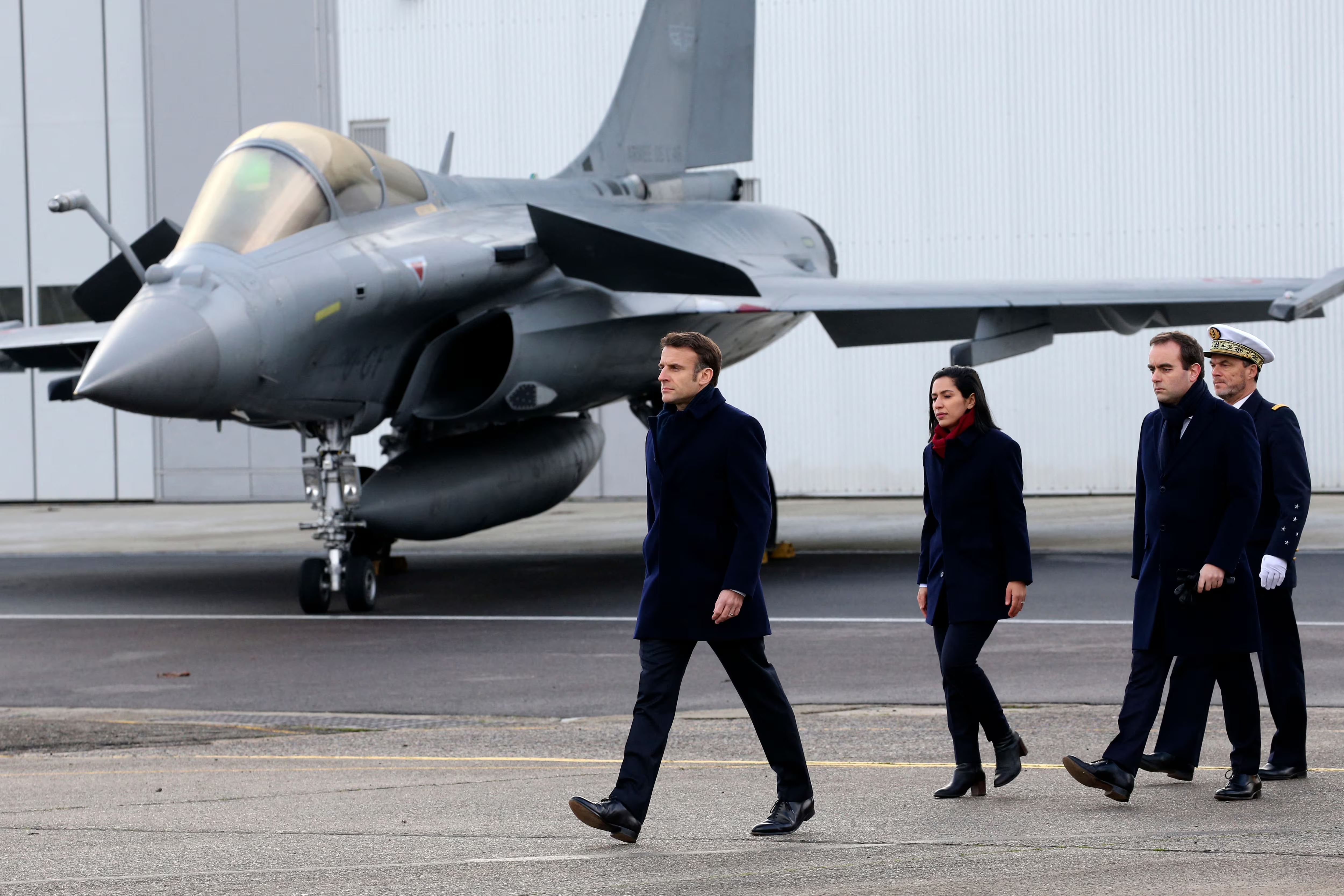
With President Emmanuel Macron expected to visit India soon, developments around this acquisition are inevitable. Momentum will build quickly.
The Minimum India Must Demand
If India is paying this price, expectations must be clear.
At the very least, India should secure:
- Future access to integrate Indian-origin weapons
- Reduced dependence on French weapons for every mission
- Long-term flexibility without repeated renegotiations
Without this, the Rafale will remain an elite aircraft but also a permanently expensive one.
Final Thoughts
Rafale will strengthen the Indian Air Force. There is no doubt about that. But strength purchased without autonomy becomes dependence. And dependence, over decades, is far costlier than the aircraft itself.
India needs Rafale.
But India must ensure it does not permanently pay a Kidney for Rafale every time it prepares for war.