News out of the Gulf deserves attention, because it changes the arithmetic of one of the most consequential fighter programmes in the world. Some time ago, reports suggested that the United Arab Emirates had stepped back from the Rafale F5 programme. The inference at the time was almost automatic: with Abu Dhabi’s funding gone, the next-generation Rafale would probably slip further. That reading now looks premature. Fresh reports indicate that the UAE is back at the table, and that the two countries will develop the aircraft together.

The scale of the Emirati commitment remains unclear, and so does its effect on a timeline pencilled in for roughly 2030 to 2035. Even so, the signal is that the programme has regained financial footing and will probably move faster than it would have without Gulf money.
The F5 Opportunity
Consider where the aircraft stands. When the Rafale competed in India’s Medium Multi-Role Combat Aircraft (MMRCA) contest, it was the strongest jet in the field. Its development was complete, and its rivals were still maturing. Today the position has reversed. Measured against what has since emerged, the Rafale in service has fallen behind technologically.
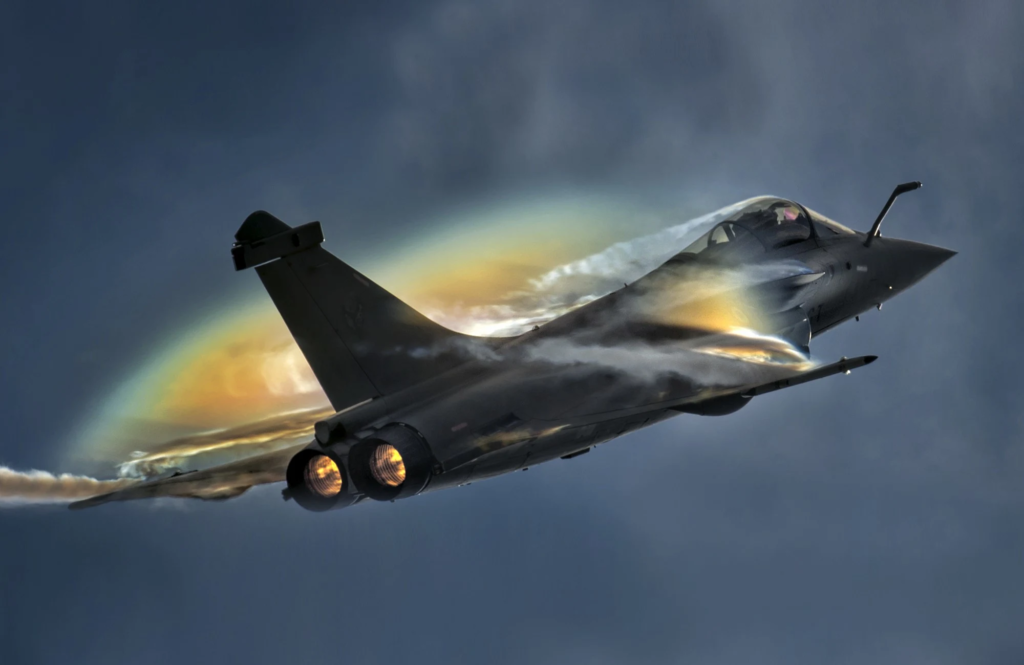
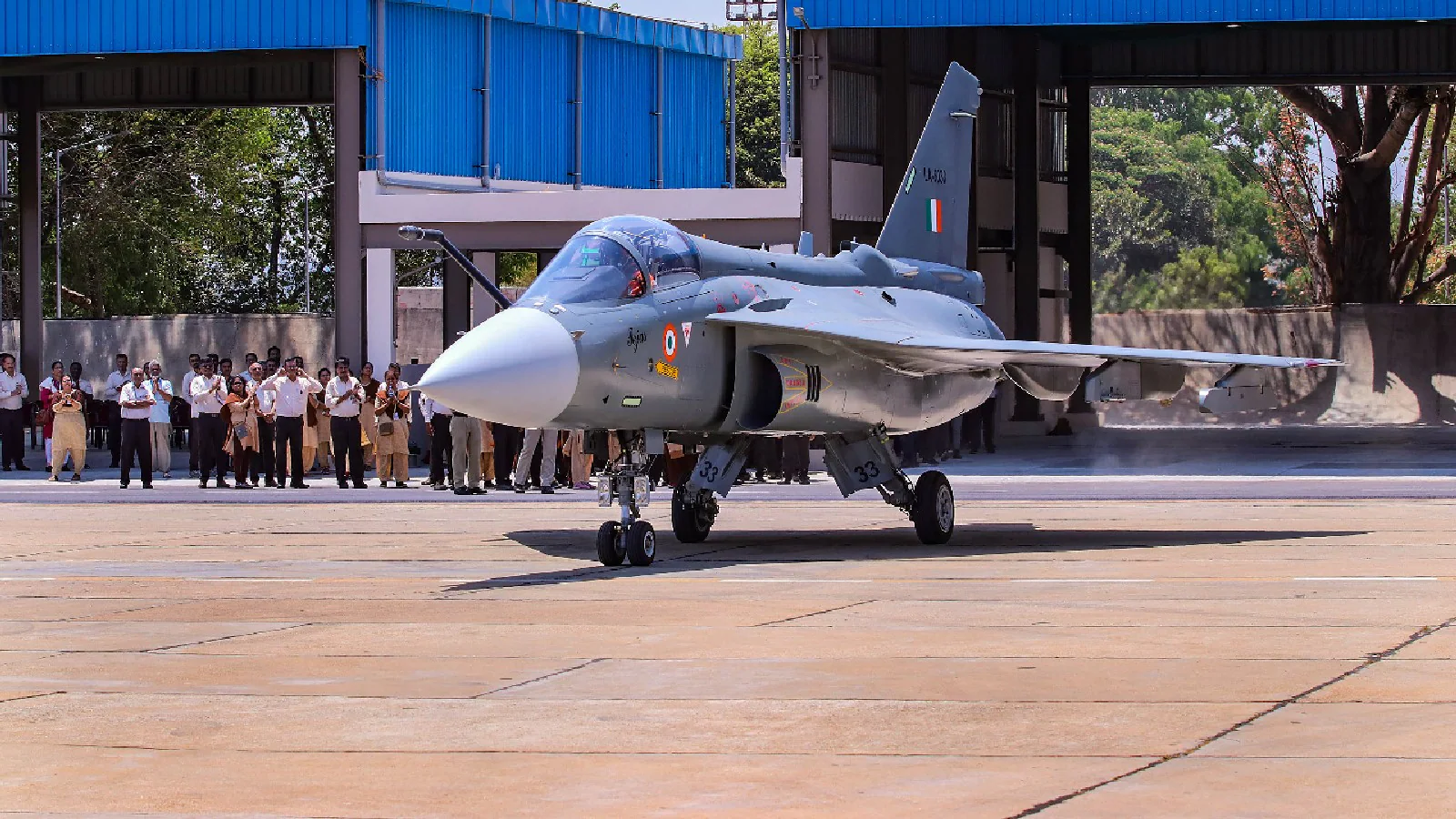
Its most frequent criticism concerns the radar. The set is considered weaker even than the one flying on the Indian LCA Mk1A.
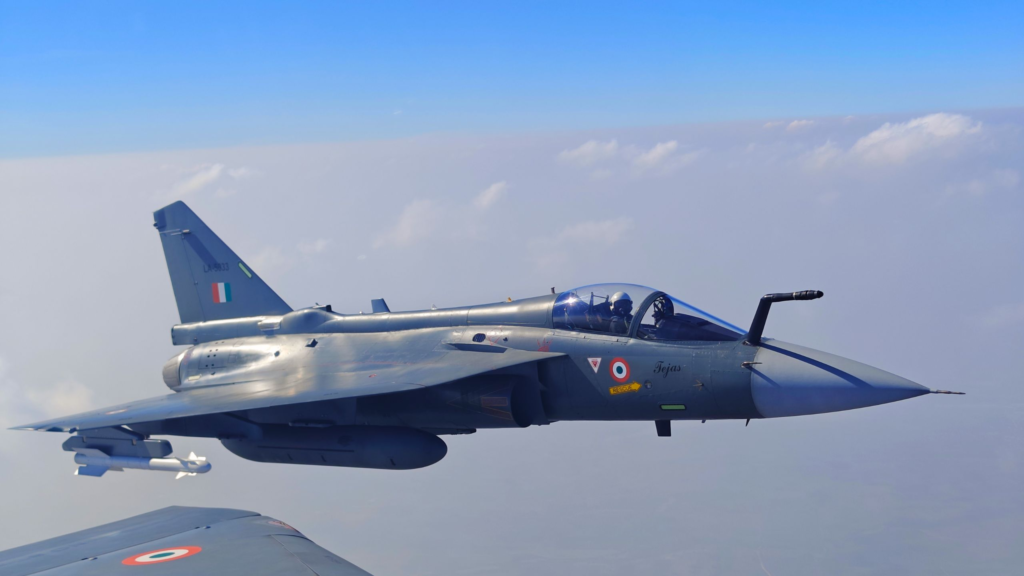
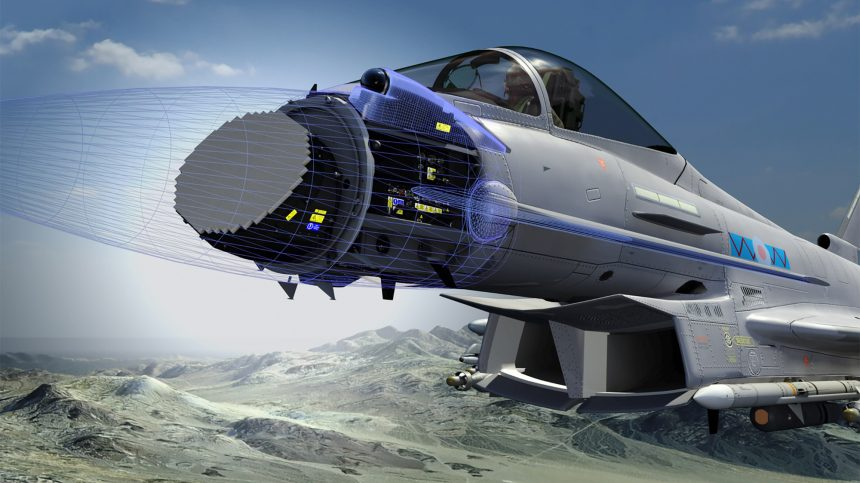
Compare that with the Eurofighter Typhoon, whose radar already uses gallium nitride and, crucially, physically repositions itself to widen its view beyond 200 degrees.
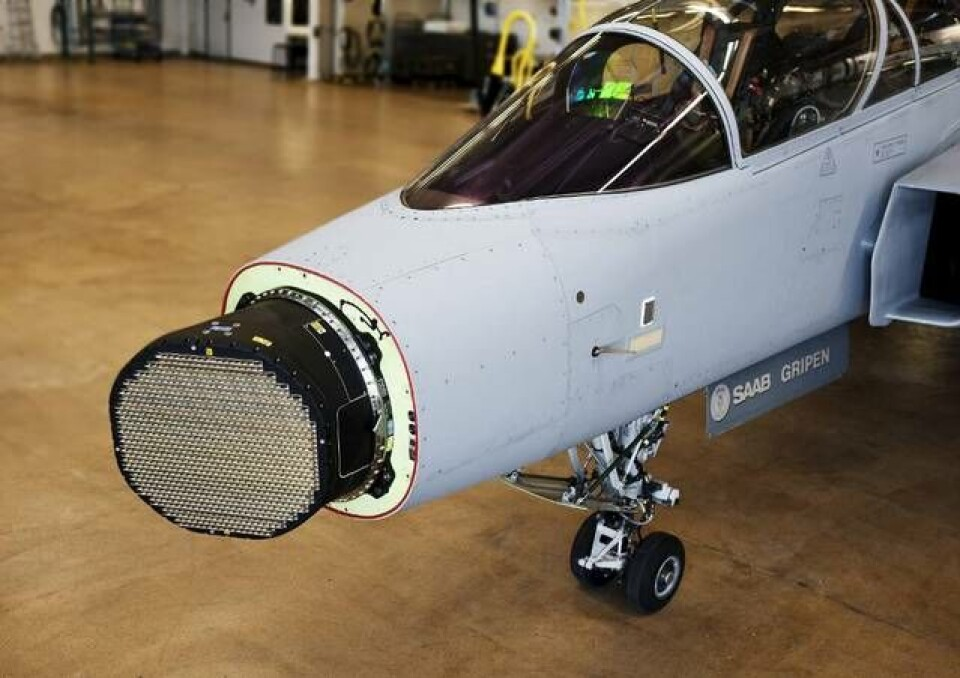
The Gripen is testing comparable technology. For the Rafale, gallium nitride is confirmed, but it remains uncertain whether the repositioning antenna will be included.
France’s trump card is the engine. The M88 T-Rex that will power the F5 is expected to be the most advanced powerplant available on the market. Taken together, the F5 should close the technology gap and deliver a significant leap in capability. That is the opportunity: a jet that restores the Rafale’s standing among its competitors.
The F4 Risks
The risk lies in what India is actually set to receive. By the end of this year, a deal is likely to be signed to meet the Indian Air Force’s Multi-Role Fighter Aircraft (MRFA) requirement. It would cover 114 Rafales, most of them built in India. But the jets that reach the Air Force will be standard-configuration F4 aircraft, one notch below the top of the line.
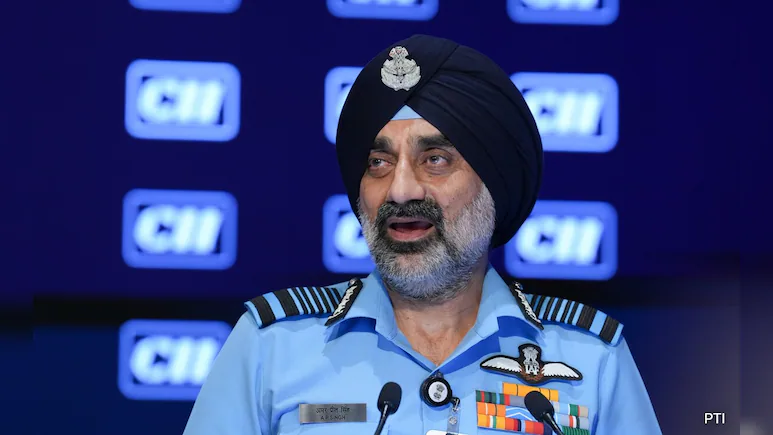
The rationale offered is urgency. The Indian Air Force has fallen to historically low squadron strength and needs new fighters as quickly as possible. That is a legitimate concern. But it collides with an uncomfortable fact. Air Chief Marshal A.P. Singh said in his annual press conference that this class of aircraft will struggle (not the same words) against the top-end Chinese fighters 5th Gen Stealth Fighter, or to the Chinese jets that will eventually reach Pakistan (J35).
That raises an obvious question. If the aircraft is not a good solution against the adversary’s best, why commit something like $40 billion to it?
The Problem With Urgency
The urgency argument is weaker than it appears. These aircraft will not arrive soon. Deliveries are expected to begin around 2032 if deal is signed today. A fleet of only 114 cannot justify installing large production capacity, so the annual output is likely to be about 12 aircraft. That means a trickle of roughly a dozen jets a year, stretching from 2032 to around 2040.
An air force that urgently needs fighters today is being offered a capability that will arrive in 2032 and be merely adequate when it does. Forty billion dollars cannot be justified on that basis. If you invest at that scale, you should expect an answer to the enemy’s best aircraft, not mediocrity delivered years late.
There is also a question the debate rarely asks. If the Air Force wants F4-standard jets, why not buy them directly from France and avoid the long wait for local production? The aircraft built in India need not be of that standard.
A More Practical Path
A more sensible approach would combine several elements:
- India should join the F5 programme alongside the UAE and France, so that it helps shape the top-tier aircraft rather than receiving a lesser version of it.
- If the MRFA proceeds, it should be built around the F5 standard.
- To address the immediate shortfall, India should acquire a limited number of aircraft off the shelf.
- Throughout the negotiation, India should secure a radar of its own. This preserves the freedom to integrate whichever weapon systems it chooses later, rather than depending on foreign approval for every upgrade.
The central principle is simple. A large investment should buy a decisive capability, and it should leave the buyer with real control over how that capability evolves.