India has started a major effort to increase the indigenous content of the Russian-origin AL-31FP turbofan engines that power the Indian Air Force’s Su-30MKI fighter fleet. The move marks an important transition from licensed assembly toward deeper manufacturing capability and component-level substitution inside one of the country’s most critical military aviation programs.
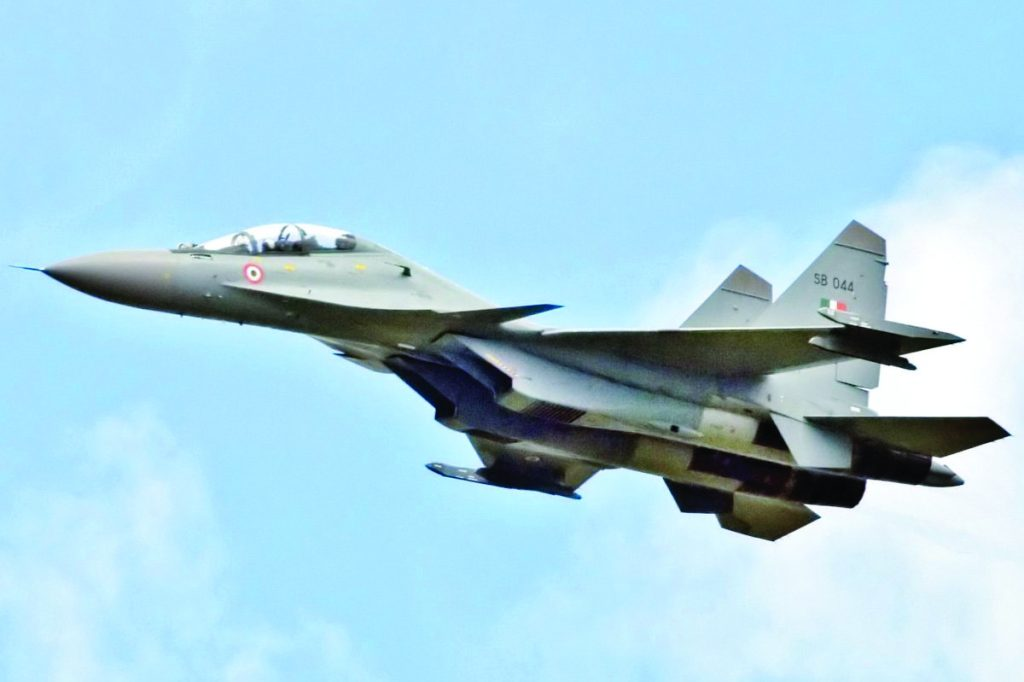
The Indian Air Force currently operates more than 260 Su-30MKI fighter aircraft. These aircraft rely on the AL-31FP thrust-vectoring engine, which is assembled in India by Hindustan Aeronautics Limited. While India has achieved significant localization in several defence platforms, the level of substitution seen in programs such as the BrahMos missile has not yet been replicated in the AL-31 engine ecosystem.
HAL’s New AL-31FP Production Contract
India recently signed a major contract with Hindustan Aeronautics Limited for the production of 250 AL-31FP engines. Under the agreement, the plan is to deliver around 30 engines annually, with the entire order expected to be completed over the next eight to nine years.
The sustained production run has significantly matured the manufacturing ecosystem surrounding the engine. Stable production schedules, vendor development, and manufacturing continuity have now created conditions suitable for a broader indigenization effort.
This timing is important because engine manufacturing programs generally require production stabilization before meaningful localization can begin. Once manufacturing processes mature, industries can gradually replace imported parts with locally developed alternatives without disrupting delivery timelines or operational reliability.
HAL Starts Conversion of Russian 2D Drawings into Advanced 3D Models
As part of this indigenization push, Hindustan Aeronautics Limited has initiated a process to convert legacy Russian 2D technical drawings into modern 3D engineering models complete with interface definitions and fitting details.
This step may appear procedural, but it carries major strategic significance.
Historically, Russian licensed-production programs often provided incomplete or ambiguous technical documentation. Such arrangements enabled assembly operations but deliberately restricted the transfer of deeper “know-how” and “know-why” associated with engine design and manufacturing.
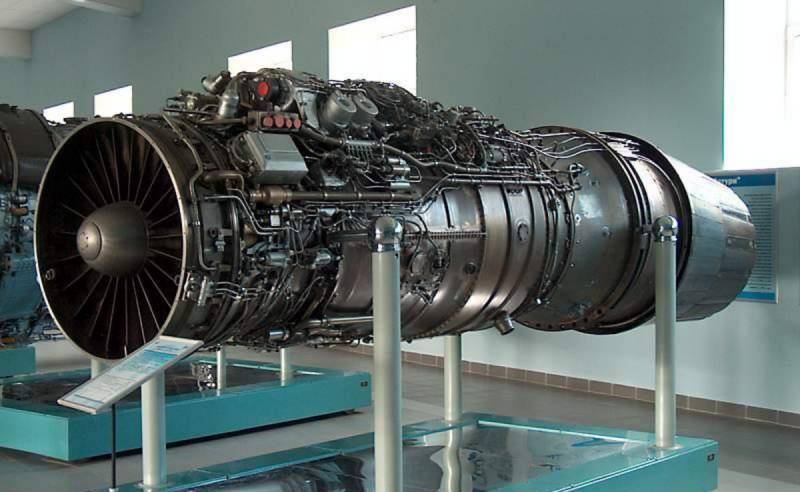
By digitally reconstructing the AL-31FP engine architecture, Indian engineers aim to recover hidden manufacturing intelligence embedded within the design. The effort will eventually create a robust digital mock-up of the engine, enabling better production planning, accurate interface management, and future component substitution.
Why Digital Reconstruction of the AL-31FP Matters
The creation of accurate 3D models and detailed engineering definitions can fundamentally transform how the engine is manufactured in India.
At present, several manufacturing activities remain dependent on legacy documentation and assembly-oriented workflows. A comprehensive digital model will improve the preparation of Bills of Materials (BOM), mass-property calculations, interface mapping, and manufacturing sequencing.
This transition moves the program beyond basic screwdriver assembly and toward genuine production engineering capability.
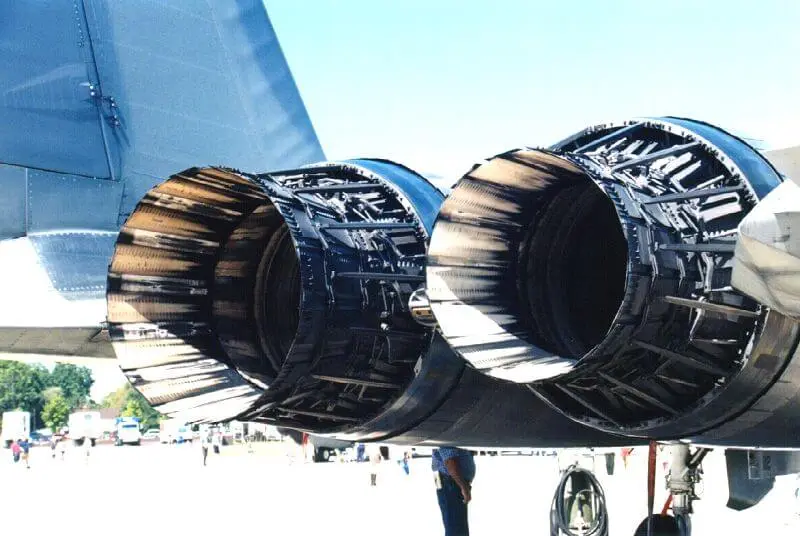
More importantly, the digital reconstruction effort will make indigenous component substitution significantly easier. Once interfaces, tolerances, and structural relationships become fully understood inside a digital environment, Indian vendors and research organizations can begin developing compatible replacement components with greater confidence. Some of these are already developed but confidence required to give go ahead with unknown tolerance was missing. Digital models with mass-property calculation and interface mapping will pave the way for these substitutions.
DRDO Components Could Enter Future AL-31FP Production
The long-term objective of the program is to gradually integrate more Indian-made components into future AL-31FP engines. The initiative aligns with broader defence indigenization goals being pursued by Defence Research and Development Organisation and Hindustan Aeronautics Limited.
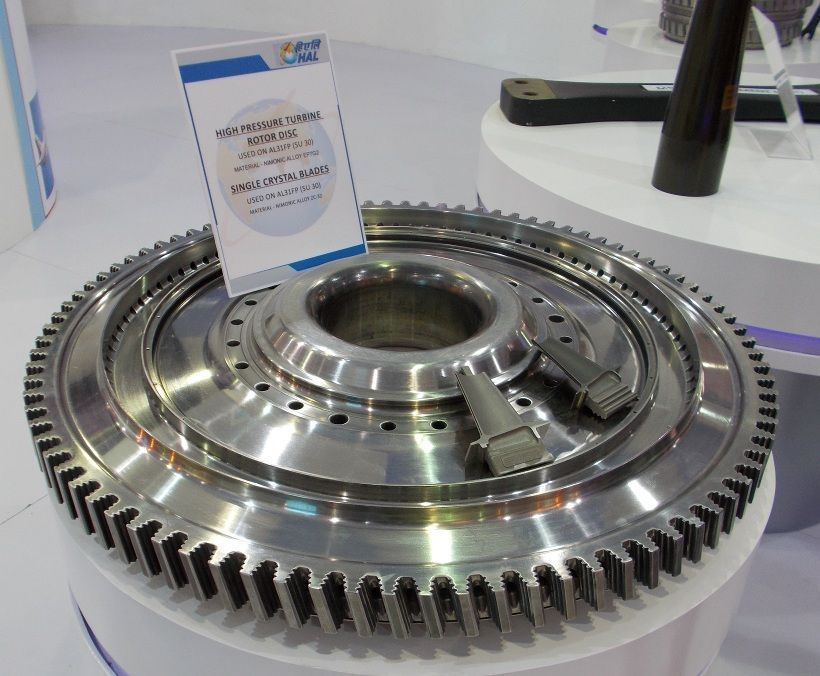
Existing Indian-developed systems and materials are expected to enter the engine production chain as localization agreements expand over time.
According to current targets, the indigenous content of the AL-31FP engine could eventually rise to nearly 54–60 percent. The ongoing effort suggests that Indian industry is now entering the next phase of capability development after stabilizing large-scale engine production.
Strategic Importance for India’s Aerospace Sector
The AL-31FP indigenization effort represents more than a manufacturing upgrade. It reflects India’s broader attempt to build deeper aerospace engineering competence in complex propulsion systems.
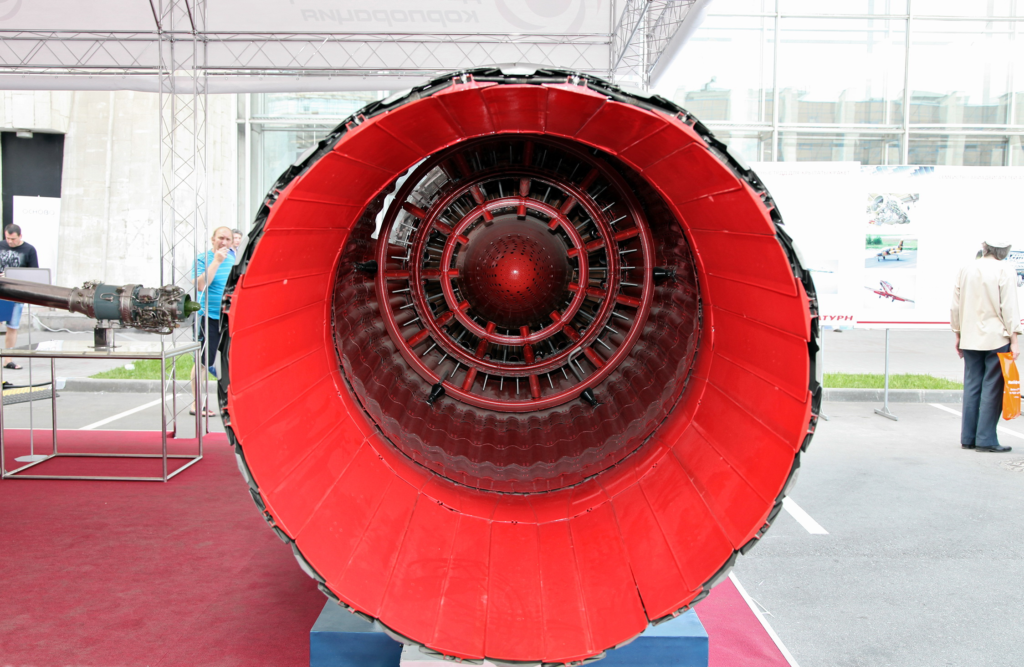
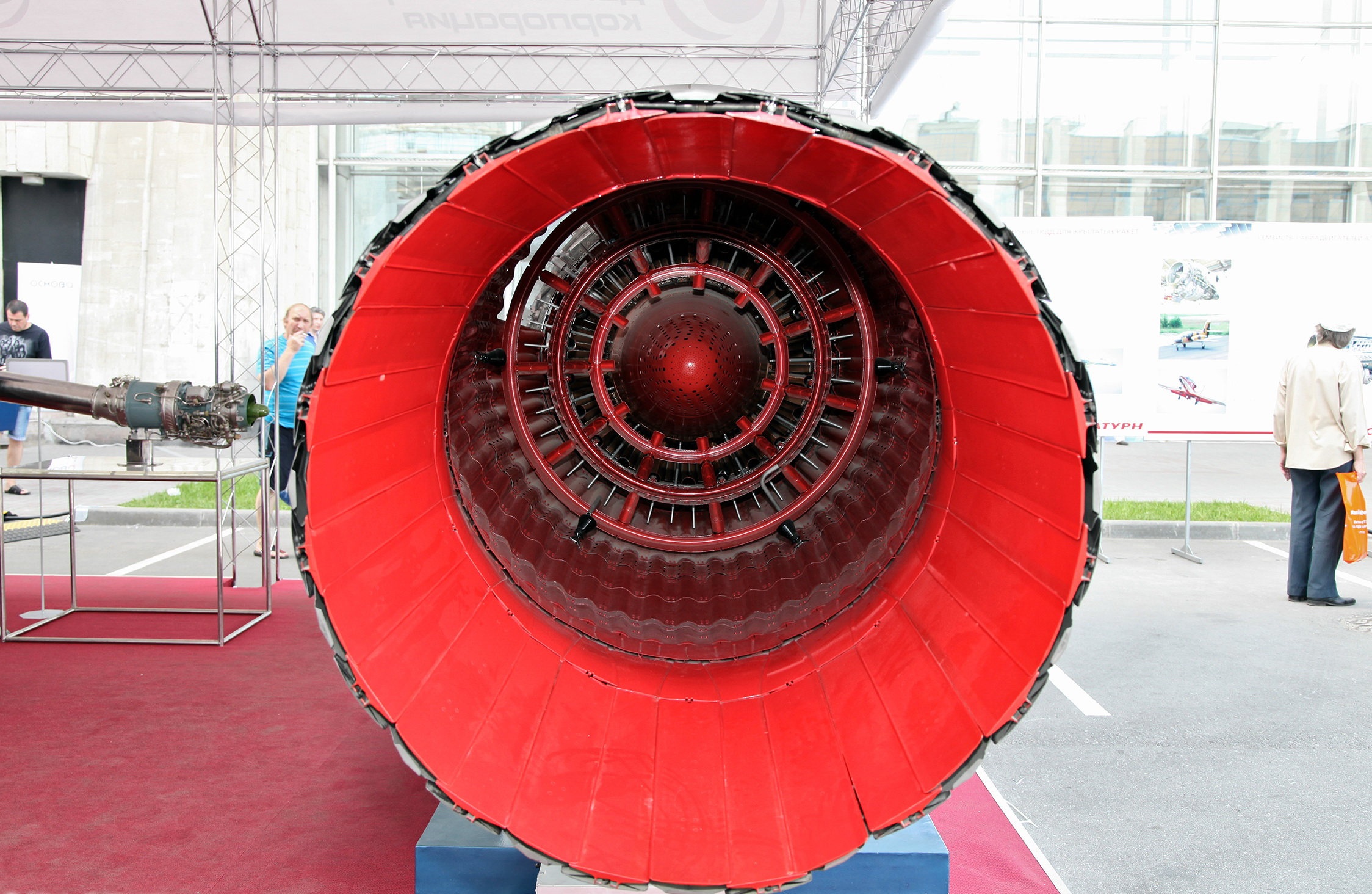
Jet engines remain among the most difficult technologies to master because they involve advanced metallurgy, precision manufacturing, thermal management, aerodynamics, and high-reliability production processes. Even limited component-level substitution inside an operational fighter engine ecosystem can generate valuable industrial experience for future indigenous engine programs.
For India, the lessons learned through the AL-31FP localization effort could eventually support future projects linked to next-generation combat aircraft and indigenous aero-engine development programs.
The initiative also reduces long-term dependence on foreign suppliers for spares, repairs, and critical engine components, an increasingly important factor in today’s geopolitical environment.
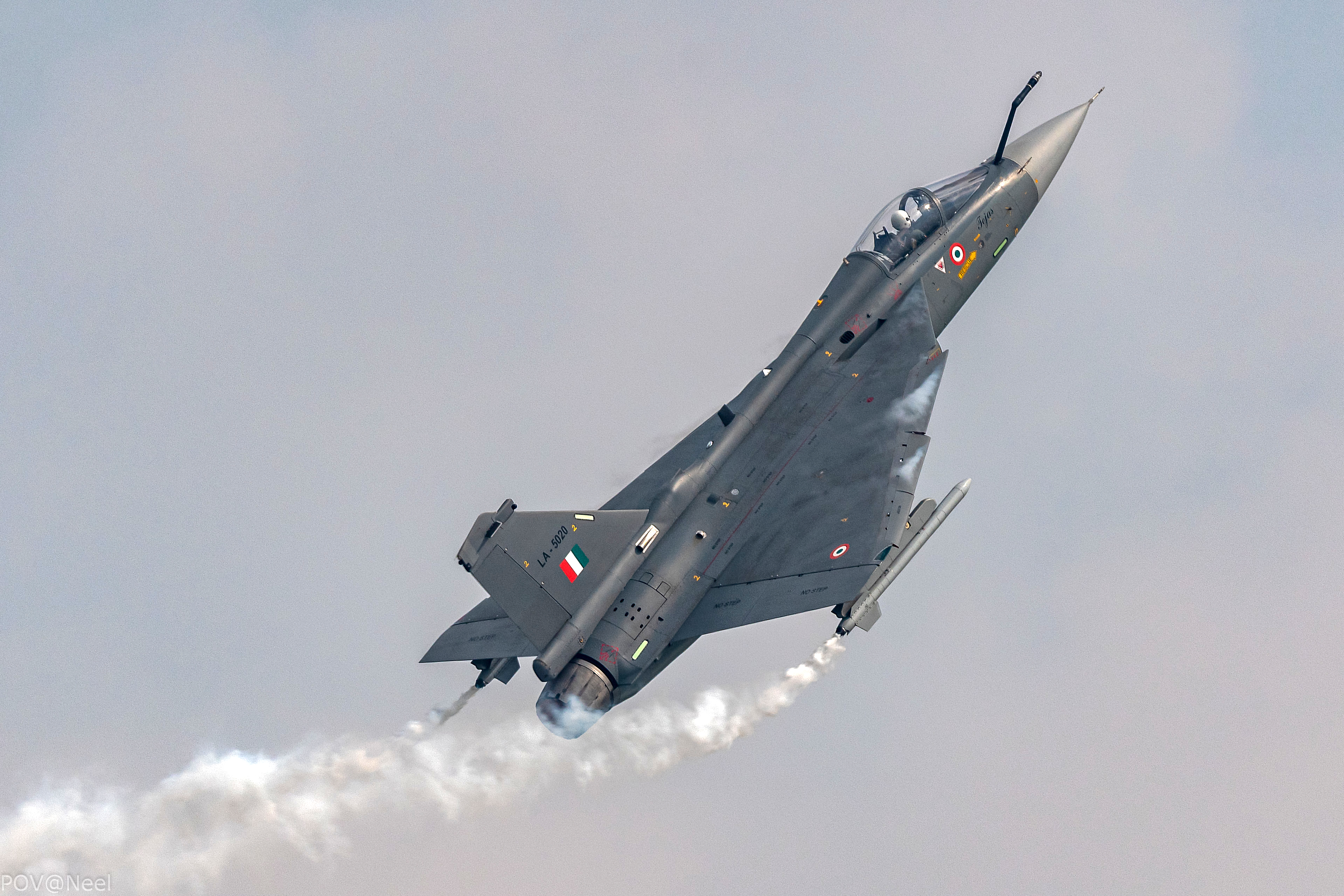

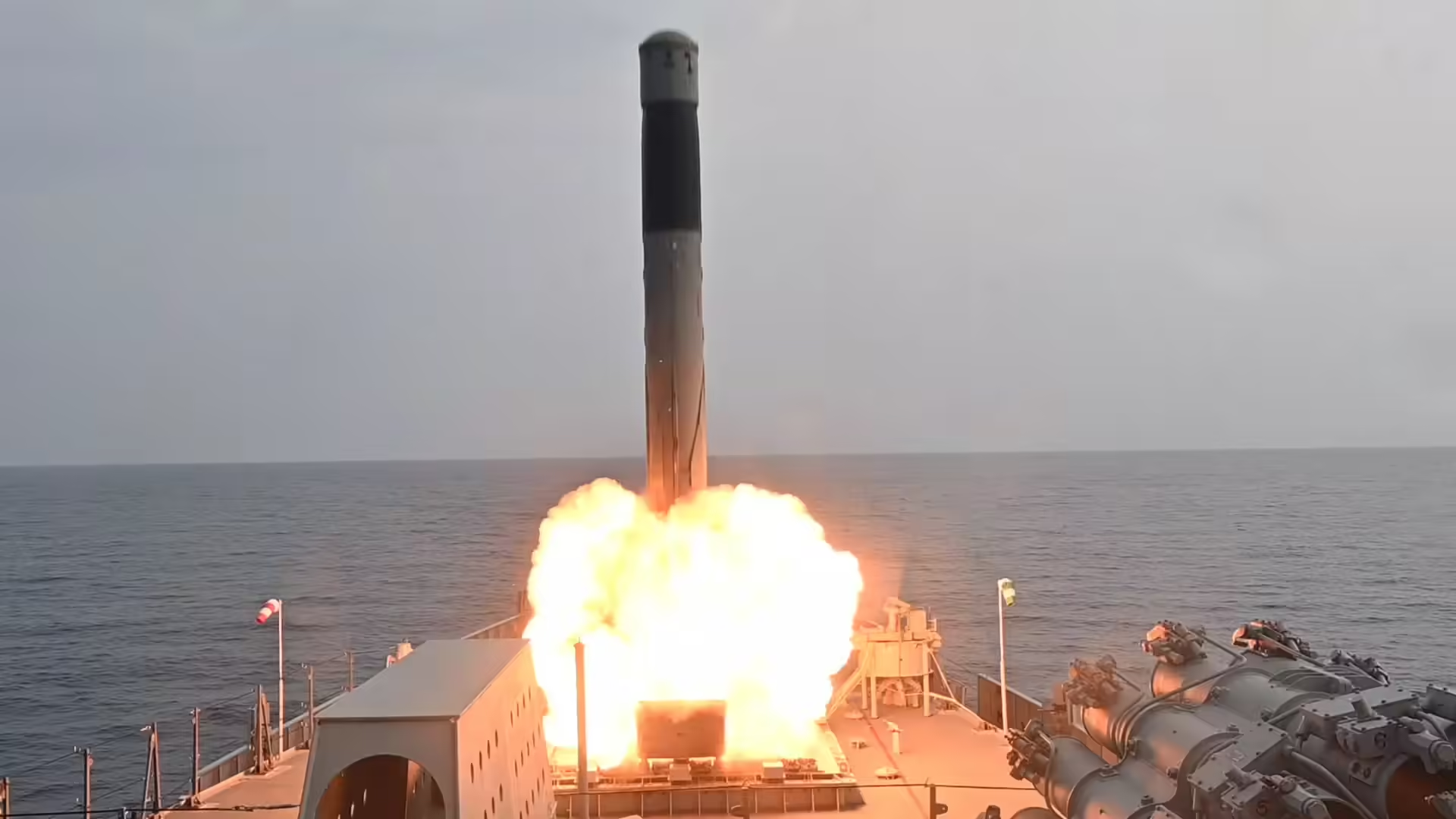
The fact that HAL did not have know how of the tolerances , fitting details of the components they themselves were manufacturing in part and assembling is not something I am unable to process.